

Potential Shift in LPG Cylinder Sizes Raises Concerns Among Dealers and Consumers

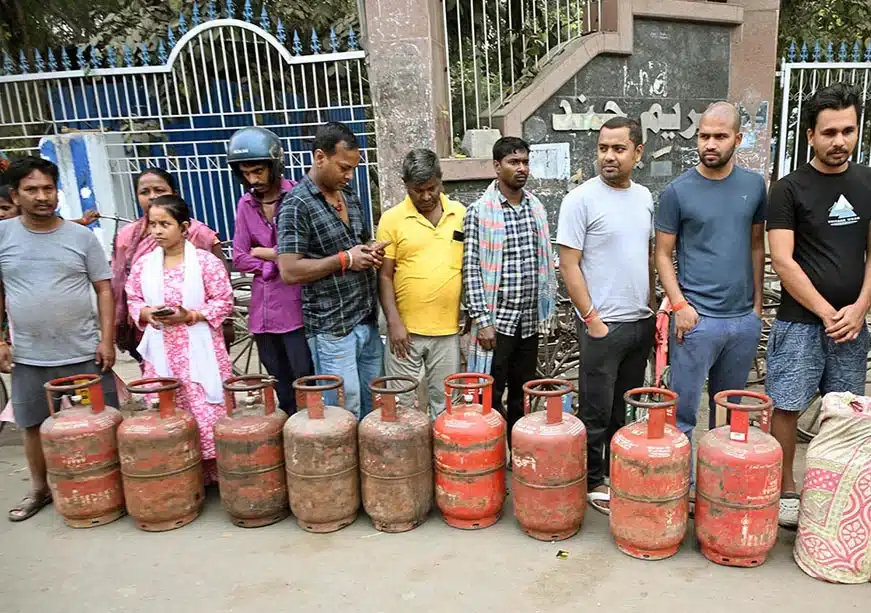
Mounting uncertainties surrounding global energy supplies, particularly due to escalating tensions in West Asia, have prompted the Indian government to consider new strategies for managing domestic liquefied petroleum gas (LPG) availability. Among the proposals being explored is the reduction of LPG volumes in refilled cylinders, potentially offering 10kg or even 7kg options instead of the standard 14.2kg. This move aims to ensure equitable distribution and prevent shortages, but it has raised concerns among consumers and dealers alike.
Government’s Response to Energy Supply Concerns
The Indian government is responding to the current global energy crisis by examining various measures to manage domestic LPG supplies. Officials have indicated that the ongoing tensions in West Asia, particularly regarding fuel tanker movements through the Strait of Hormuz, have necessitated these discussions. An oil marketing company (OMC) source stated, “Some options are being discussed to ensure equitable distribution, prevent shortage, and minimize pilferage.” One of the primary considerations is the potential reduction of LPG volumes in domestic cylinders, which could help stretch the available supply across more households.
This proposed change comes amid rising demand for LPG and concerns about maintaining a steady supply. By offering smaller cylinder sizes, the government hopes to address the challenges posed by the current energy landscape. However, the feasibility of implementing such changes remains under scrutiny as officials weigh the implications for both consumers and distributors.
Consumer Concerns Over Reduced Cylinder Sizes
The prospect of smaller LPG cylinders has sparked dissatisfaction among consumers. Many households rely on the current 14.2kg cylinder, which typically lasts around 15 days. Gaurav Saxena, a resident of Taratala, expressed his frustration, stating, “A 10-kg or 7-kg cylinder will be over in 7 to 9 days. You cannot book a cylinder before 25 days from the date of delivery of the previous cylinder. How will cooking be done?” This sentiment reflects a broader concern among consumers about the practicality of smaller cylinders and the potential for increased frequency of refills.
Additionally, reports indicate that the waiting period for booking a refill may be extended from 25 to 30 days, further complicating the situation for households. Anindita Sen, a homemaker from Chetla, noted the lack of clarity regarding delivery timelines, stating, “Even after booking is confirmed, there is no clarity on when the cylinder will arrive.” Such frustrations highlight the challenges consumers face in navigating the current LPG supply landscape.
Challenges Faced by LPG Dealers
LPG dealers are also expressing concerns regarding the proposed changes to cylinder sizes. Many are already grappling with rising demand, booking failures, and issues related to electronic Know Your Customer (e-KYC) processes. An LPG dealer in south Kolkata remarked, “We are already struggling with rising demand, booking failures, and e-KYC issues. Any change in supply quantity will create more complications.” The fear of being accused of LPG theft adds to the stress faced by dealers as they attempt to manage customer expectations amid supply constraints.
Distributors are caught in a challenging position, balancing the need to meet consumer demand while adhering to government regulations. One distributor acknowledged the operational pressures that smaller cylinders would bring, stating, “Handling more cylinders of smaller size will increase operational pressure. But if it ensures greater access, it may be necessary.” This highlights the logistical challenges that could arise from implementing the proposed changes.
Future Outlook for LPG Supply Management
As the government explores options to manage LPG availability, the situation remains fluid. The proposed shift to smaller cylinder sizes aims to address supply concerns but could lead to increased operational challenges for distributors and heightened dissatisfaction among consumers. Reports of extended waiting periods for bookings further complicate the landscape, leaving many questioning the transparency and efficiency of the current system.
Distributors are striving to manage deliveries effectively, but they face significant hurdles due to tight supply constraints. A Kolkata-based LPG distributor stated, “We are doing our best to manage deliveries, but supply is tight and rules have to be followed.” As the government continues to navigate these complexities, the focus remains on ensuring that households have access to the fuel they need while addressing the challenges posed by the current global energy crisis.
Observer Voice is the one stop site for National, International news, Sports, Editor’s Choice, Art/culture contents, Quotes and much more. We also cover historical contents. Historical contents includes World History, Indian History, and what happened today. The website also covers Entertainment across the India and World.
Follow Us on Twitter, Instagram, Facebook, & LinkedIn

