

Oil Prices Surge as Hormuz Supply Crisis Impacts Crude Markets; Brent and WTI Experience Notable Increases

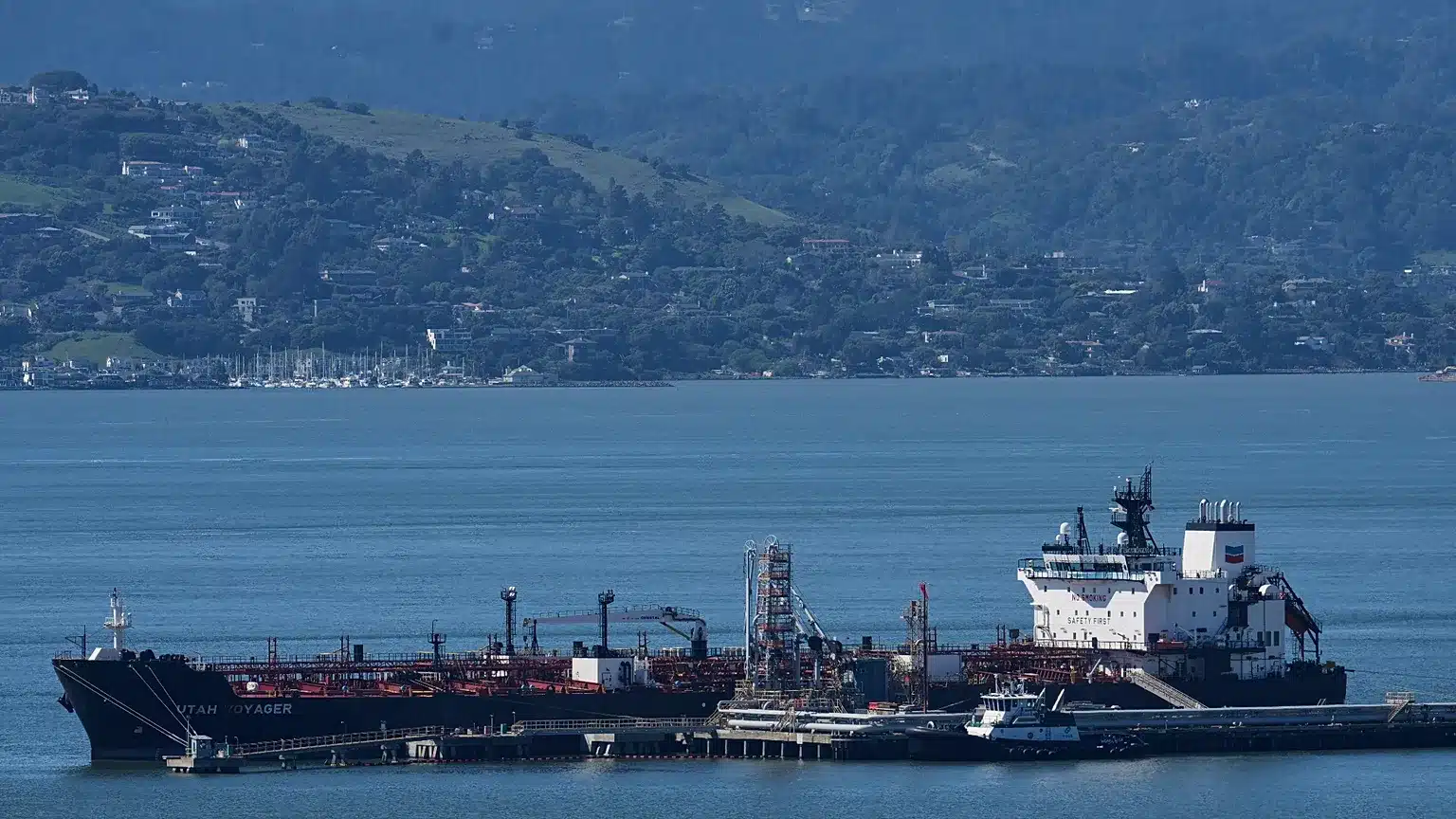
Oil prices surged on Tuesday as ongoing conflicts in the Middle East and disruptions in the Strait of Hormuz raised concerns about potential supply shortages in global markets. Brent crude futures climbed by $2.48, reaching $102.69 per barrel, while US West Texas Intermediate (WTI) crude increased by $2.42 to $95.92 per barrel. The situation has sparked fears of rising energy costs and inflationary pressures worldwide, as the conflict enters its third week.
Impact of Middle East Conflict on Oil Supply
The Strait of Hormuz, a vital shipping lane that accounts for nearly 20% of the world’s oil and liquefied natural gas trade, is currently facing significant disruptions due to the ongoing US-Israel conflict with Iran. This situation has heightened fears of tightening supplies, leading to increased energy prices. The United Arab Emirates, the third-largest oil producer in the Organization of the Petroleum Exporting Countries (OPEC), has already reported a production decline of over 50%, as operations have been curtailed amid the escalating tensions.
International Response and Military Presence
Efforts to secure safe passage through the Strait of Hormuz have encountered resistance from several European nations, which have opted not to deploy warships to the region. This decision comes despite US President Donald Trump’s calls for NATO allies to take action. Trump has warned that the alliance could face dire consequences if member countries do not respond adequately, criticizing Western partners for their perceived lack of support despite the United States’ long-standing commitment to the region.
Market Reactions and Future Projections
The International Energy Agency (IEA) has indicated that member countries may consider releasing additional oil from strategic reserves to stabilize the market, building on the 400 million barrels already pledged. Analysts predict that if the current tensions persist, oil prices could escalate further. Kayanat Chainwala, an assistant vice president at Kotak Securities, suggested that global crude prices might reach $120 per barrel in the short term and could potentially rise to $150 per barrel if the conflict continues beyond a month.
Economic Implications for India and Beyond
In India, prices below $110 per barrel are deemed manageable within the current tax framework, providing the government with some flexibility to mitigate the impact on consumers. However, Elara Securities has warned that if crude prices rise into the $110 to $125 range, the government’s fiscal flexibility may diminish, leading to wider disparities in earnings among oil and gas companies. The ongoing situation underscores the delicate balance between geopolitical events and their economic ramifications on global markets.
Observer Voice is the one stop site for National, International news, Sports, Editor’s Choice, Art/culture contents, Quotes and much more. We also cover historical contents. Historical contents includes World History, Indian History, and what happened today. The website also covers Entertainment across the India and World.
Follow Us on Twitter, Instagram, Facebook, & LinkedIn

