

Women’s Commission Annual Session Opens with Vote on Outcome Document

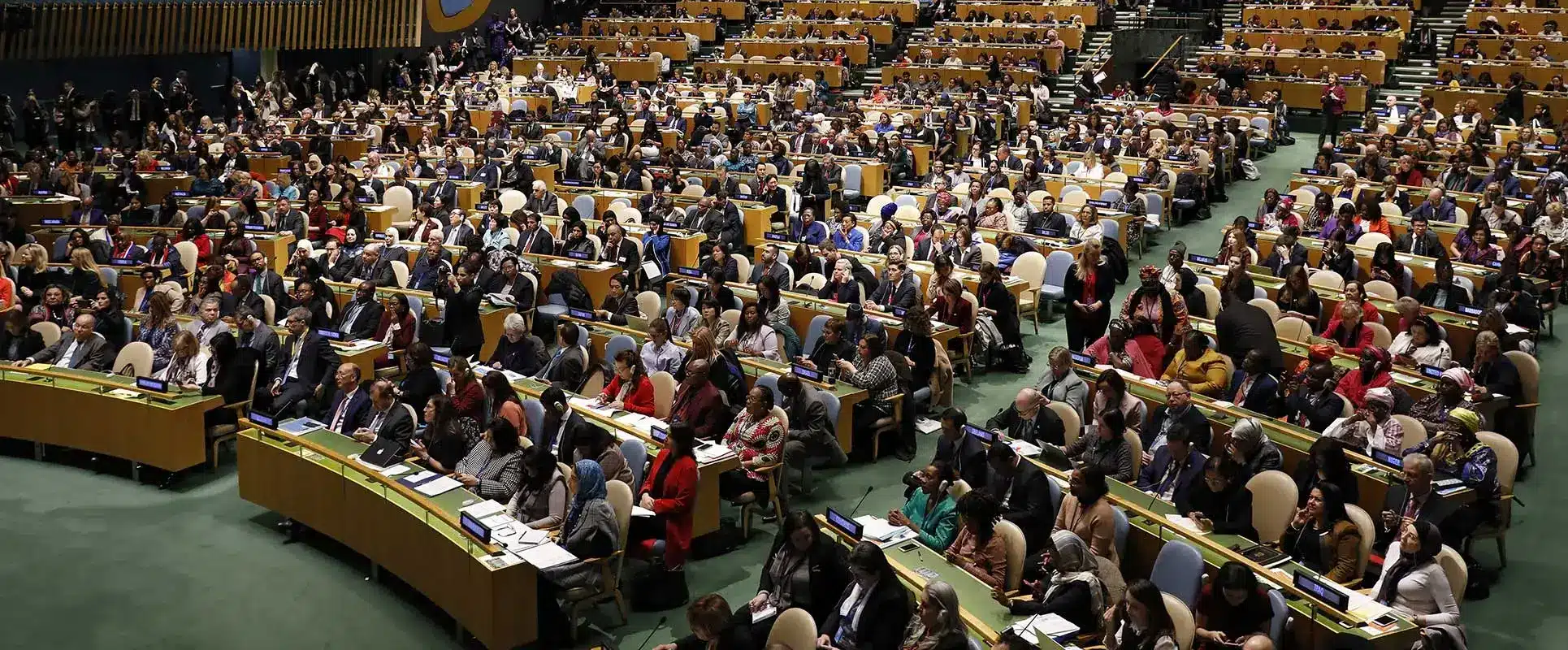
The annual gathering of the Commission on the Status of Women commenced with a vibrant assembly of feminists from around the globe, culminating in a contentious vote on its outcome document. The Commission adopted its Agreed Conclusions with a recorded vote of 37 in favor and 1 against, alongside 6 abstentions, marking a departure from the traditional consensus approach. This year’s theme focuses on enhancing access to justice for women and girls, addressing discriminatory laws, and tackling structural barriers that hinder equality.
U.S. Proposes Amendments Amidst Controversy
Before the adoption of the Agreed Conclusions, the United States representative sought to delay the vote, withdraw the text, and introduced eight amendments. He criticized the document for its “ambiguous language promoting gender ideology” and vague commitments to sexual and reproductive health, which he argued could imply support for abortion rights. The U.S. has recently distanced itself from UN-Women, claiming it promotes gender ideology recklessly. The representative insisted on a strict definition of “gender,” limiting it to biological sex.
However, Commission Chair Maritza Chan Valverde from Costa Rica emphasized that the text reflects a balanced outcome, considering diverse viewpoints. She noted that the decision to proceed with the vote was made after extensive consultations. Several delegates, including representatives from Egypt and Nigeria, advocated for consensus adoption and requested more time for discussions. Ultimately, the Commission voted to consider the U.S. amendments as a single package, which were overwhelmingly rejected.
Progress on Gender Equality and Legal Rights
In her opening remarks, Chair Valverde highlighted the ongoing global struggle for legal equality, noting that women currently possess only two-thirds of the legal rights enjoyed by men. The Agreed Conclusions aim to establish new normative standards in this area. Key advancements include recognizing community justice actors, promoting gender-responsive access to justice, and addressing digital justice and artificial intelligence governance. Valverde stressed the importance of not reversing the hard-won progress in gender equality, honoring the legacy of those who fought for these rights.
The document also emphasizes the need for a comprehensive approach to gender-based violence data and the involvement of civil society in promoting justice. Valverde’s remarks underscored the responsibility to future generations, reinforcing the commitment to continue the fight for gender equality.
Challenges in Closing the Legal Protection Gap
Sima Bahous, Executive Director of UN-Women, addressed the assembly, stating that women globally hold only 64 percent of the legal rights of men. She emphasized the need for justice systems that serve all individuals equally. Bahous also pointed out the significance of the upcoming election for a new Secretary-General, expressing hope for a female leader in this role.
General Assembly President Annalena Baerbock from Germany noted the historical underrepresentation of women in leadership positions, highlighting the need for systemic change to achieve justice. She stressed that addressing gender disparities in political representation is crucial for advancing women’s rights.
Confronting Gender-Based Violence and Impunity
Reem Alsalem, the Special Rapporteur on violence against women, highlighted the alarming levels of impunity surrounding gender-based violence. She condemned the lack of accountability for atrocities, citing the recent partial release of information regarding the Epstein criminal enterprise. Alsalem warned that these crimes may constitute crimes against humanity and criticized governments for failing to investigate.
She also pointed out that women and girls are often the first victims in conflicts, referencing recent events in Iran and Lebanon. Alsalem’s remarks underscored the urgent need for accountability and the dangers posed by diluting language that defines women’s rights.
Civil society representatives echoed these concerns, emphasizing the need for comprehensive support for women’s rights, including access to education and protection from violence. They called for governments to prioritize feminist movements and allocate resources to address the systemic barriers women face globally.
Observer Voice is the one stop site for National, International news, Sports, Editor’s Choice, Art/culture contents, Quotes and much more. We also cover historical contents. Historical contents includes World History, Indian History, and what happened today. The website also covers Entertainment across the India and World.

