

Budget 2026: Enhancing Domestic Manufacturing and Expanding Global Presence

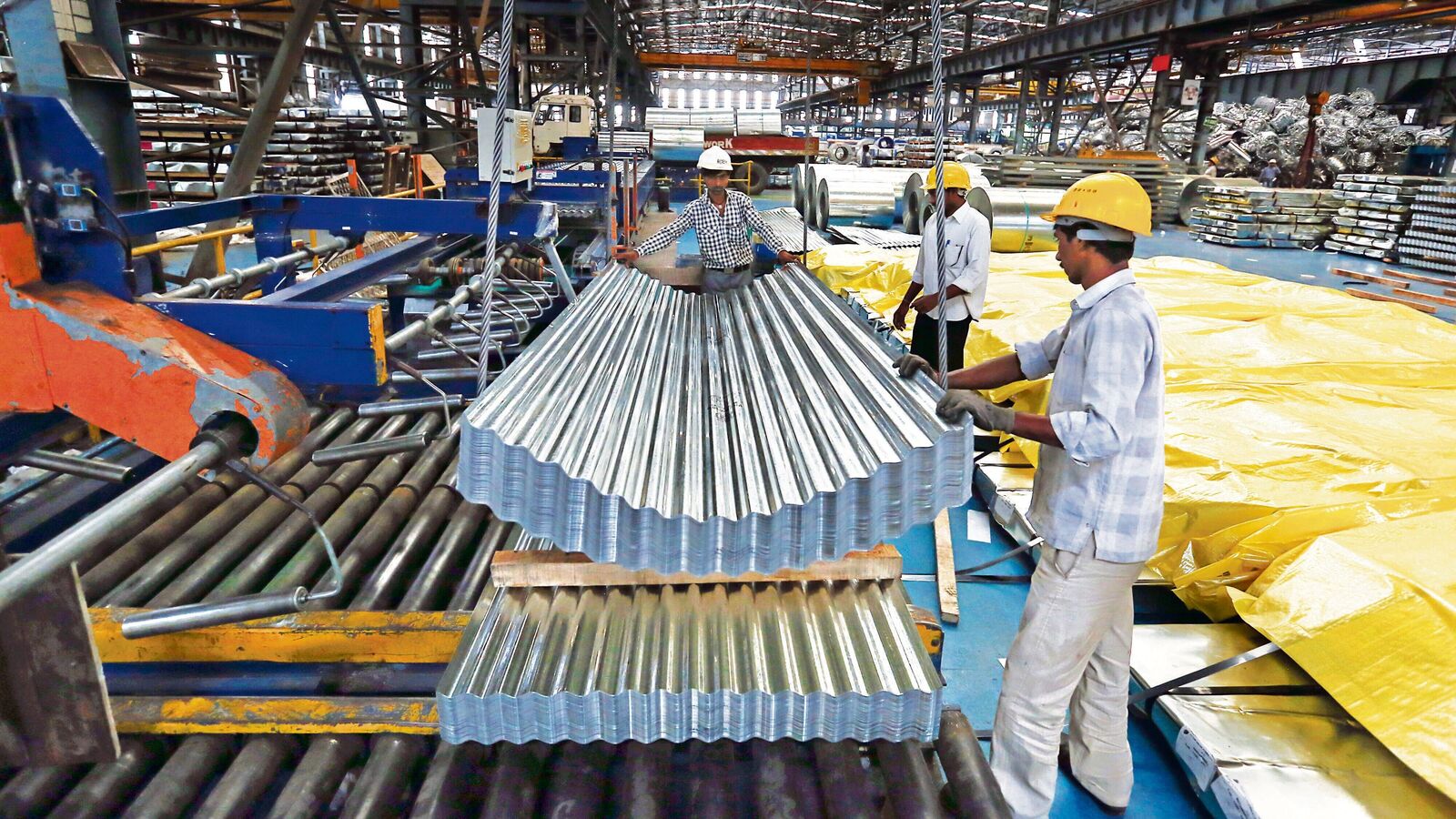
India is poised to enhance its manufacturing sector significantly, as outlined in the Union Budget 2026. This budget emphasizes manufacturing as a strategic pillar for economic growth, building on a decade of reforms initiated by the Make in India initiative. Key measures include substantial investments in electronics, semiconductors, and biopharma, along with tax incentives aimed at boosting domestic production and reducing import dependence.
Strengthening the Manufacturing Base
Over the past ten years, India has made considerable strides in fortifying its manufacturing foundation through various policy initiatives. The Make in India program, launched in 2014, was a pivotal step aimed at attracting investment, fostering innovation, and enhancing the ease of doing business. The recent rollout of the four Labour Codes in November 2025 further streamlined compliance by merging 29 existing labor laws, creating a more resilient workforce framework. These domestic reforms are complemented by a renewed focus on global trade, particularly through Free Trade Agreements (FTAs), setting the stage for the ambitious manufacturing goals outlined in the Union Budget 2026.
The budget positions manufacturing as a frontier sector crucial for sustaining economic growth. It aims to improve productivity, enhance competitiveness, and bolster resilience against global disruptions. The government’s commitment to structural reforms is evident, as it seeks to create an environment conducive to manufacturing excellence.
Investment in Key Sectors
A significant highlight of the Union Budget 2026 is the proposed increase in funding for the Electronics Components Manufacturing Scheme, raising its allocation to ₹40,000 crore. This move underscores India’s ambition to boost domestic value addition and secure a foothold in global electronics supply chains. Additionally, the budget introduces a five-year income tax holiday for non-residents supplying capital goods to contract manufacturers in customs-bonded zones, effectively lowering costs associated with specialized equipment.
The budget also emphasizes the India Semiconductor Mission (ISM) 2.0, which aims to develop equipment and materials, design full-stack Indian intellectual property, and strengthen supply chains. This initiative reflects India’s ongoing commitment to establishing a robust domestic semiconductor ecosystem. Furthermore, the aviation sector is set to benefit from exemptions on basic customs duties for parts and components necessary for aircraft manufacturing, promoting local production and maintenance, repair, and overhaul (MRO) activities.
Support for Emerging Industries
The Union Budget 2026 introduces several initiatives to support emerging industries, including a five-year, ₹10,000 crore program called Biopharma SHAKTI. This initiative aims to position India as a global hub for biopharma manufacturing by enhancing capabilities in biologics and biosimilars. Additionally, the government has launched a scheme to assist states in developing chemical parks, further expanding domestic production in the chemicals sector.
To bolster the capital goods sector, the budget outlines a comprehensive support package, including the establishment of Hi-Tech Tool Rooms by Central Public Sector Enterprises (CPSEs) to serve as digital service hubs for precision components. The allocation of ₹10,000 crore over five years for developing a competitive container manufacturing ecosystem aims to reduce import dependence and lower costs. The budget also extends basic customs duty exemptions to various emerging sectors, including lithium-ion battery storage systems and critical mineral processing equipment.
Reviving Legacy Industries and Enhancing Competitiveness
Beyond advanced manufacturing, the budget extends its support to labor-intensive sectors like textiles and proposes initiatives to transform India into a global center for high-quality, affordable sports goods. A notable proposal includes reviving 200 legacy industrial clusters to enhance their cost competitiveness and efficiency through infrastructure and technology upgrades.
The Union Budget 2026 represents a comprehensive strategy for manufacturing-led growth, integrating structural reforms with targeted fiscal incentives. By focusing on both advanced and traditional industries, the budget aims to enhance exports and global competitiveness. The new measures and emphasis on emerging sectors have the potential to deepen India’s industrial capabilities and strengthen its position in global value chains. Successful execution and collaboration will be crucial in marking a transformative chapter in India’s industrial journey.
Observer Voice is the one stop site for National, International news, Sports, Editor’s Choice, Art/culture contents, Quotes and much more. We also cover historical contents. Historical contents includes World History, Indian History, and what happened today. The website also covers Entertainment across the India and World.
Follow Us on Twitter, Instagram, Facebook, & LinkedIn

