

Trump Lifts 25% Tariff: Implications of India Halting Russian Crude Oil Purchases

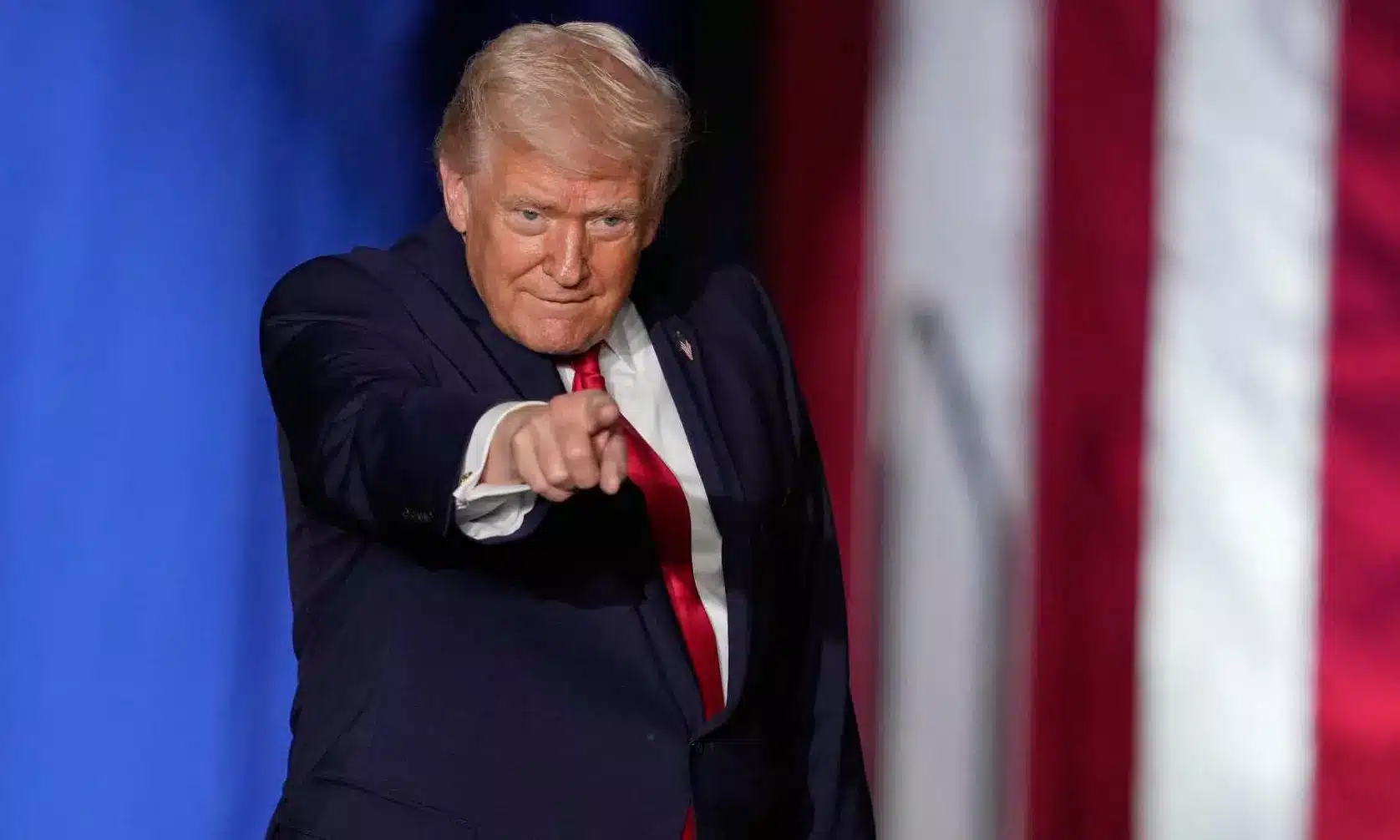
Will India halt its imports of Russian crude oil? This question arises following a recent executive order signed by U.S. President Donald Trump, which revokes a 25% penal tariff on Indian crude imports from Russia. However, the order stipulates that this tariff could be reinstated if India continues its oil purchases from Russia. While the U.S. seeks to increase economic pressure on Moscow amid the ongoing conflict in Ukraine, India maintains that its priority is the energy security of its 1.4 billion citizens. As of now, Indian refiners have not received formal instructions to stop Russian oil imports, but they have been advised to gradually reduce their purchases.
India’s Commitment to Energy Security
Government sources have indicated that India’s approach to energy imports is focused on diversifying its sources in response to market conditions and global developments. The Ministry of External Affairs has emphasized that all decisions regarding crude oil imports are guided by the need to ensure energy security for the nation. Although Indian refiners are expected to honor existing contracts, which are typically arranged six to eight weeks in advance, they have been informally advised to limit new orders for Russian crude. Experts suggest that while imports from Russia may decline, a complete cessation seems unlikely in the near term.
Sumit Ritolia, a lead research analyst at Kpler, notes that current contracts will keep Russian oil flowing for the next several weeks. He estimates that imports will remain stable at around 1.1 to 1.3 million barrels per day through the first quarter of 2026. Despite a recent decrease in purchases, the strategic importance of Russian crude to India’s refining system, particularly due to its cost advantages, means that a full disengagement is improbable.
Exploring Alternatives to Russian Crude
Before increasing its imports from Russia, India primarily relied on West Asian suppliers for its crude oil needs. However, the country has diversified its sources to include approximately 40 nations, with new supplies emerging from Guyana, Brazil, and Canada. Analysts predict that this trend will continue, with India likely to increase its imports from the Middle East and the United States as it seeks to broaden its supplier base.
In the event that Russian oil imports cease entirely, experts suggest that India may pivot back to Middle Eastern suppliers, particularly Iraq, Saudi Arabia, and the UAE. The U.S. has already become one of the top five crude oil exporters to India, and there is potential for increased purchases depending on pricing. Additionally, African suppliers are emerging as viable alternatives, as their crude is often more suitable for Indian refineries. Countries like Nigeria, Angola, Egypt, and Libya have already seen a rise in oil exports to India as Russian imports decline.
Increasing Crude Imports from the U.S.
Recent data indicates a shift in India’s crude oil import dynamics. Russia’s share of India’s crude imports dropped to 33.7% during the April to November 2025 period, down from 37.9% in the same months of 2024. Conversely, the United States’ share rose to 8.1%, up from 4.6%. Kpler’s estimates show that Russian crude imports fell from 1.8 million barrels per day in November to 1.2 million barrels per day in December 2025, and further to 1.16 million barrels per day in January 2026.
The U.S. has announced plans for India to acquire American energy products, technology goods, and agricultural commodities worth $500 billion over the next five years. This is expected to include various forms of crude oil and liquefied natural gas. Experts believe that India’s crude oil purchases from the U.S. will continue to rise, although the extent will depend on commercial considerations and market conditions.
Impact on India’s Crude Import Bill
India’s total crude oil imports range between 4.5 to 5 million barrels per day. Russian oil imports peaked at around 2 million barrels per day in June 2025 but have since decreased to approximately 1.1 million barrels per day as of January 2026. If India were to completely halt its Russian oil purchases, the impact on its crude oil import bill could be between 1% to 2%. However, this could be offset by increasing imports from Venezuela, provided the pricing is favorable.
SBI Research highlights that India turned to discounted Russian oil to secure its energy needs after Western sanctions were imposed on Moscow following its invasion of Ukraine. As a result, Russia’s share of India’s oil imports has risen to 35.1% in FY25, making it the largest supplier. The potential shift to Venezuelan oil could offer economic benefits, but it also comes with challenges, including the need for significant discounts to make it commercially viable. Overall, the dynamics of India’s crude oil imports are complex and will continue to evolve in response to both domestic needs and international pressures.
Observer Voice is the one stop site for National, International news, Sports, Editor’s Choice, Art/culture contents, Quotes and much more. We also cover historical contents. Historical contents includes World History, Indian History, and what happened today. The website also covers Entertainment across the India and World.
Follow Us on Twitter, Instagram, Facebook, & LinkedIn

