

Union Budget 2026: Essential Insights for Individual Taxpayers

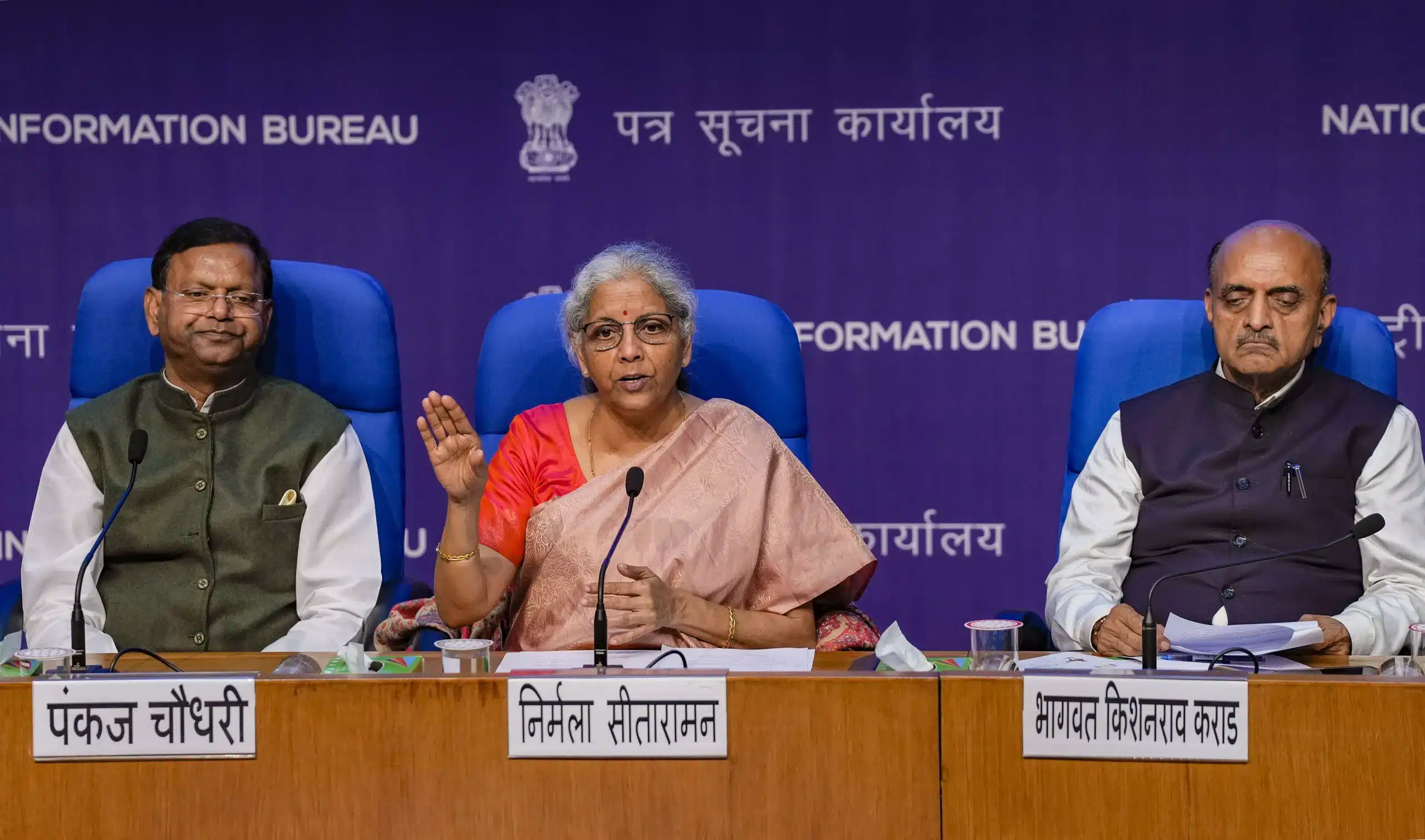
Finance Minister Nirmala Sitharaman presented the Union Budget 2026 on February 1, outlining significant reforms aimed at simplifying the tax process for individual taxpayers. While the personal income tax rates remain unchanged, the Budget introduces measures to ease return-filing timelines and reduce tax collection at source for certain transactions. Additionally, the government has completed a comprehensive review of the Income Tax Act, paving the way for a smoother transition to the new tax framework set to take effect in April 2026.
Key Reforms for Individual Taxpayers
The Union Budget 2026 maintains the existing slab rates for individual taxpayers under both the new and old tax regimes. There are no changes proposed to the education cess or surcharge, ensuring stability for taxpayers. The Budget also revises filing timelines, allowing individuals filing ITR-1 and ITR-2 to continue meeting the July 31 deadline. Non-audit business cases and trusts now have an extended deadline until August 31. Furthermore, the window for revising returns has been extended from December 31 to March 31, provided a nominal fee is paid. These changes aim to provide taxpayers with more flexibility and time to comply with their tax obligations.
Tax Collection Changes and Support for Small Taxpayers
One of the notable changes in the Budget is the reduction of tax collected at source (TCS) on overseas tour packages, which will now be a flat 2%, down from previous rates of 5% and 20%. This reduction also applies to remittances for self-funded foreign education and overseas medical treatment under the Liberalised Remittance Scheme. Additionally, the Budget introduces a fully automated, rule-based approval mechanism for small taxpayers seeking nil or lower TDS certificates, replacing the current application-based process. This initiative aims to streamline the process and reduce bureaucratic hurdles for small taxpayers.
Foreign Asset Disclosure and Investment Opportunities
The Budget proposes a six-month foreign asset disclosure scheme to assist individuals, including students and professionals, who may have faced challenges in declaring overseas assets. Taxpayers who failed to disclose overseas income or assets valued up to Rs 1 crore can regularize their status by paying a tax of 30% on the fair market value of the asset or undisclosed income, along with an additional penalty. For those who have already paid tax on overseas income but did not declare the associated foreign asset valued up to Rs 5 crore, a fee of Rs 1 lakh will allow them to regularize their situation without penalties. The Budget also facilitates investment from non-residents in Indian equities, increasing the individual investment limit from 5% to 10% and the overall cap from 10% to 24%.
Enhancements for Non-Residents and Global Talent
In a move to simplify compliance for non-residents, the Budget allows resident buyers of immovable property involving non-residents to deduct and deposit TDS using a PAN-based challan, eliminating the need for a TAN. Additionally, to attract global talent, an exemption on foreign-sourced income has been granted to experts visiting India for up to five years, provided they meet specific criteria. These measures reflect the government’s commitment to fostering a more conducive environment for both domestic and international taxpayers, enhancing compliance and encouraging investment in India.
Observer Voice is the one stop site for National, International news, Sports, Editor’s Choice, Art/culture contents, Quotes and much more. We also cover historical contents. Historical contents includes World History, Indian History, and what happened today. The website also covers Entertainment across the India and World.
Follow Us on Twitter, Instagram, Facebook, & LinkedIn

