

Comparing New and Old Tax Regimes Post-Budget 2026: Choosing the Right Income Tax Structure for FY 2026-27

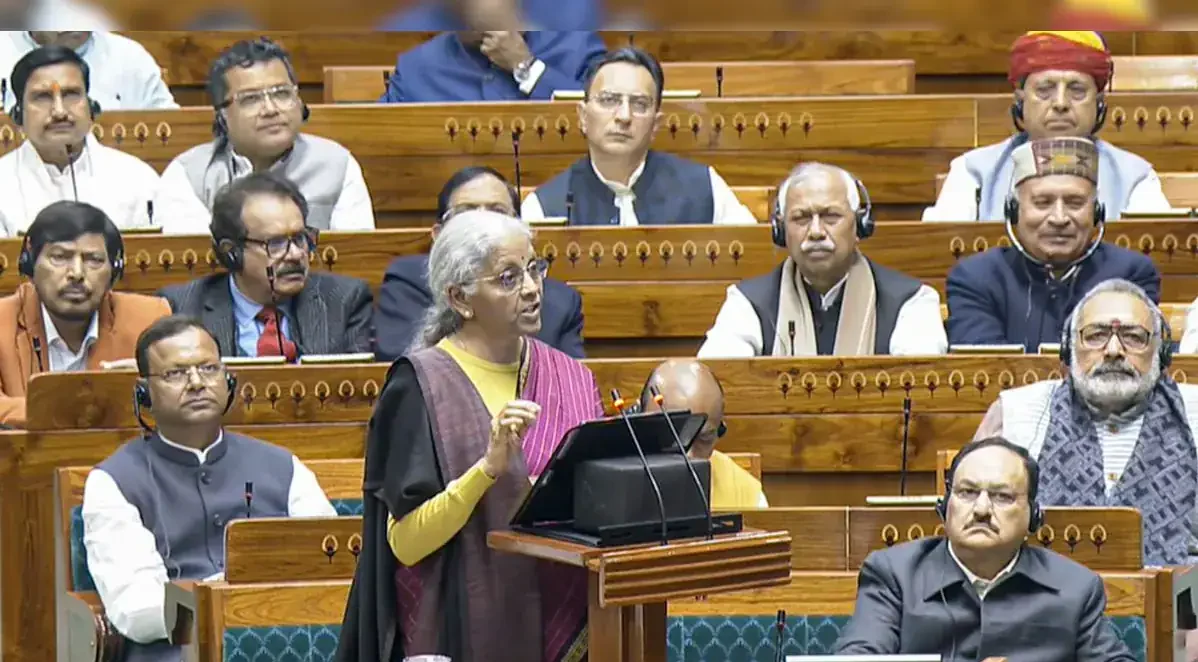
Union Finance Minister Nirmala Sitharaman presented the Union Budget for 2026 on Sunday, maintaining the existing income tax framework without any significant changes. Taxpayers were particularly attentive to potential adjustments in tax slabs and rates that could alleviate their financial burdens. The budget continues to offer two tax regimes, allowing individuals to choose between the old and new systems, each with its own set of benefits and drawbacks.
Overview of the New Income Tax Regime
The new income tax regime, introduced in 2020, aims to provide relief to middle-class taxpayers while simplifying the tax filing process. For the fiscal year 2026-2027, individuals earning up to Rs 4 lakh will remain exempt from income tax. The regime employs a progressive slab system, with tax rates increasing based on income levels. The current tax slabs are as follows:
– Income from Rs 4 lakh to Rs 8 lakh is taxed at 5%
– Income from Rs 8 lakh to Rs 12 lakh is taxed at 10%
– Income from Rs 12 lakh to Rs 16 lakh is taxed at 15%
– Income from Rs 16 lakh to Rs 20 lakh is taxed at 20%
– Income from Rs 20 lakh to Rs 24 lakh is taxed at 25%
– Income above Rs 24 lakh is taxed at 30%
A notable enhancement in the new regime is the increased rebate limit. Previously, individuals with a total income of up to Rs 7 lakh were exempt from tax. This limit has now been raised to Rs 12 lakh, allowing more taxpayers to benefit from a tax-free status. For salaried individuals, this threshold effectively rises to Rs 12.75 lakh due to a standard deduction of Rs 75,000.
Understanding the Old Income Tax Regime
The old income tax regime remains a viable option for many taxpayers, particularly those who benefit from various exemptions and deductions. This system is often preferred by salaried individuals who can claim significant deductions throughout the year. The tax rates under the old regime are as follows:
– Income up to Rs 2,50,000 is tax-free
– Income from Rs 2,50,001 to Rs 5,00,000 is taxed at 5%
– Income from Rs 5,00,001 to Rs 10,00,000 is taxed at 20%
– Income above Rs 10,00,000 is taxed at 30%
Common deductions available under this regime include House Rent Allowance (HRA), Leave Travel Allowance (LTA), and contributions to retirement savings under Section 80C, among others. While the old regime offers higher tax rates, it allows taxpayers to reduce their taxable income significantly through these deductions.
Comparing the New and Old Tax Regimes
Taxpayers often grapple with the decision of which tax regime to choose—new or old. For individuals with incomes up to Rs 12 lakh (or Rs 12.75 lakh for salaried taxpayers), the new tax regime is advantageous as it results in zero tax liability. For example, a taxpayer earning Rs 10 lakh with a Section 80C exemption of Rs 1.5 lakh would face a tax burden of Rs 75,400 under the old regime, while the new regime would impose no tax at all.
To determine the better option, taxpayers should calculate the total exemptions and deductions they can claim. If this total is less than Rs 8 lakh for those earning above Rs 24 lakh, the new regime is likely more beneficial. Conversely, if deductions exceed Rs 8 lakh, the old regime may be the better choice. For incomes between Rs 12 lakh and Rs 24 lakh, the decision will depend on individual circumstances and available deductions.
Key Announcements in Budget 2026
While the core structure of income tax remained unchanged in Budget 2026, several announcements were made to enhance taxpayer convenience and compliance. Notably, the deadline for revising income tax returns has been extended to March 31, allowing taxpayers more time to make necessary adjustments. Individuals filing ITR-1 and ITR-2 must still meet the July 31 deadline, while non-audit business cases and trusts can file until August 31.
Additionally, the budget proposed a full income tax exemption on interest awarded by motor accident claims tribunals, eliminating the need for tax deduction at source on such interest. Changes were also made to tax collection at source (TCS), reducing rates on overseas tour packages and medical expenses under the Liberalised Remittance Scheme. The new Income Tax Act 2025 will take effect from April 1, 2026, with simplified tax return forms expected to be available soon.
Observer Voice is the one stop site for National, International news, Sports, Editor’s Choice, Art/culture contents, Quotes and much more. We also cover historical contents. Historical contents includes World History, Indian History, and what happened today. The website also covers Entertainment across the India and World.

