

Supreme Court Intervenes to Address Misuse of Section 498A: Charges Dropped After Husband’s 109 Days in Jail

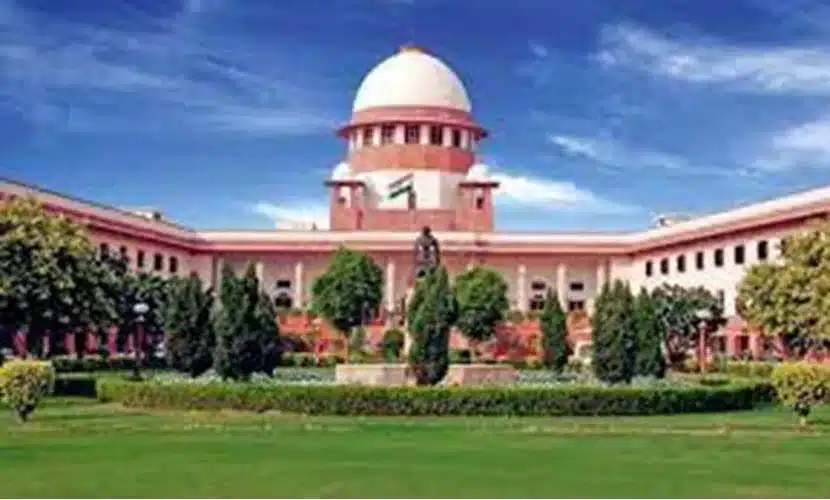
In a landmark ruling on July 22, 2025, the Supreme Court of India addressed the misuse of Section 498A of the Indian Penal Code, which was originally designed to protect women from dowry harassment and cruelty. While affirming the necessity of such laws, the court emphasized the need to prevent their abuse, which has led to significant distress for families involved in matrimonial disputes. The case, Shivangi Bansal v. Sahib Bansal, highlighted the complexities of marital conflicts and the court’s role in mitigating the fallout from legal actions that can devastate lives.
Background of the Case
Shivangi Bansal and Sahib Bansal were married in December 2015, and their union produced a daughter a year later. However, by October 2018, the couple faced severe marital issues that led to their separation. Following their split, a series of legal battles ensued, with Shivangi filing multiple criminal charges against Sahib and his family. These charges included serious allegations under various sections of the Indian Penal Code, such as 498A, 307, and 376, as well as claims under the Dowry Prohibition Act. In retaliation, Sahib and his family also initiated legal proceedings against Shivangi, resulting in a complex web of litigation that spanned across multiple jurisdictions, including Delhi and Uttar Pradesh.
The legal disputes escalated to the Supreme Court, where the cumulative effect of the ongoing litigation was profound. Sahib spent 109 days in jail, while his father was incarcerated for 103 days, despite the eventual dropping of charges. The court noted that the emotional and social toll on both families was irreparable, underscoring the need for a more structured approach to handle such disputes.
Supreme Court’s Ruling
The Supreme Court, led by Chief Justice B.R. Gavai and Justice Augustine George Masih, recognized the importance of protecting against the misuse of Section 498A. The court upheld the establishment of Family Welfare Committees (FWCs) as a procedural safeguard to prevent the abuse of this provision. In a rare decision, the court ordered Shivangi to publicly apologize for the false allegations that had led to significant distress for Sahib and his family. The ruling also included a comprehensive resolution to the couple’s disputes, effectively terminating all pending civil and criminal cases between them.
The court’s decision included several key directives: it quashed all ongoing legal proceedings, dissolved the marriage by mutual consent, and addressed custody and maintenance issues. Additionally, the court granted police protection to Sahib’s family and prohibited both parties from initiating further litigation related to their matrimonial issues. This ruling aimed to bring closure to a prolonged and painful chapter for both families.
Implementation of Family Welfare Committees
The Supreme Court’s endorsement of the Family Welfare Committees is a significant step towards ensuring a balanced approach to matrimonial disputes. These committees are designed to act as a buffer between the filing of complaints and the potential for arrest, thereby reducing the likelihood of misuse of Section 498A. The court mandated a cooling-off period of two months after a complaint is filed, during which no arrests or coercive actions can take place. This period allows for the matter to be referred to an FWC, which will facilitate dialogue and attempt reconciliation between the parties involved.
Each district will have one or more FWCs, composed of qualified individuals such as young mediators, senior law students, and recognized social workers. The committee’s role includes summoning both parties and their family members to discuss the issues at hand and prepare a report within two months. This structured approach aims to address the factual aspects of the dispute while fostering a more amicable resolution.
Future Implications and Safeguards
The Supreme Court’s ruling not only reinforces the constitutional validity of Section 498A but also emphasizes the importance of preventing its misuse. The court acknowledged a growing trend where criminal law is used as a pressure tactic in matrimonial disputes, often without regard for truth or proportionality. By implementing the FWC framework, the court aims to humanize the application of Section 498A while maintaining its protective intent.
The FWCs will undergo periodic training, and their functioning will be overseen by the District & Sessions Judge or the Principal Judge of the Family Court. This oversight is crucial to ensure that the committees operate effectively and uphold the principles of justice. The Supreme Court’s decision marks a pivotal moment in the legal landscape surrounding matrimonial disputes in India, aiming to strike a balance between protecting women’s rights and preventing the misuse of legal provisions.
Observer Voice is the one stop site for National, International news, Sports, Editor’s Choice, Art/culture contents, Quotes and much more. We also cover historical contents. Historical contents includes World History, Indian History, and what happened today. The website also covers Entertainment across the India and World.
Follow Us on Twitter, Instagram, Facebook, & LinkedIn

