

Anticipated Budget 2026 Impacts on India’s Real Estate Sector: A Step Towards ‘Viksit Bharat’

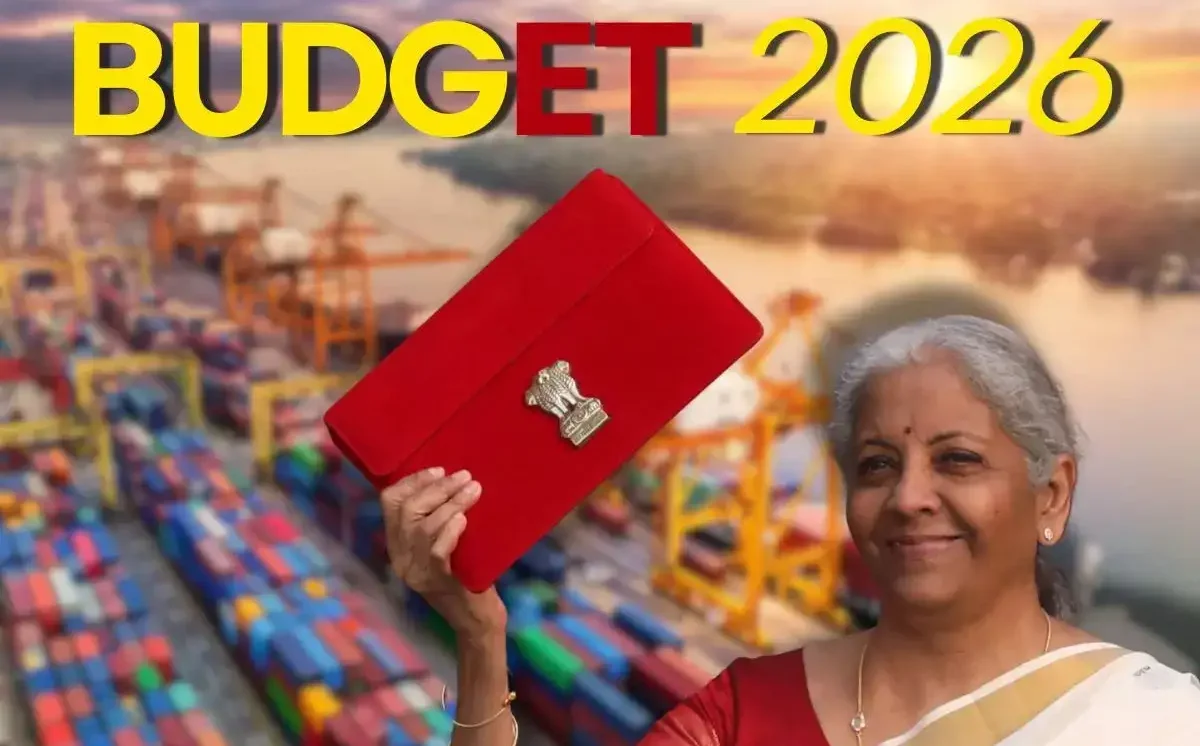
India’s real estate sector is on a robust growth path, contributing significantly to the nation’s economic development. As of 2025, the sector accounts for nearly 8% of the national GDP, with projections indicating it could rise to 15-16% by 2047. This growth is bolstered by government reforms aimed at enhancing transparency and efficiency, including digitized registration systems and streamlined construction approvals. However, to sustain this momentum, the sector seeks supportive tax policies and incentives, particularly in the upcoming budget.
Budget Expectations for the Real Estate Sector
As the government aims for “housing for all,” various expectations have emerged regarding the upcoming budget. One significant proposal is the reintroduction of a tax holiday for affordable housing, with a suggested adjustment to base eligibility on the size of the flat rather than its value. This change could make housing more accessible to a broader segment of the population. Additionally, stakeholders are advocating for an increase in the interest tax deduction from Rs 2 lakh to at least Rs 5 lakh, along with the ability to offset losses from house properties under the new tax regime.
Another critical expectation is the revival of additional interest tax deductions on loans for specific house properties, which previously expired in FY2022. Furthermore, there is a call for clarity on the point of taxation for landowners involved in joint development arrangements, as conflicting views exist regarding whether taxation should occur upfront or be deferred. Addressing these issues is essential for establishing a comprehensive framework that supports the sector’s growth.
Tax Incentives and Support for Investment
The real estate industry is also pushing for targeted tax incentives to stimulate investment in the hospitality and tourism sectors. This aligns with the government’s ongoing efforts to promote tourism across the country. Moreover, while the revamped credit-linked subsidy scheme (CLSS) under PMAY U 2.0 has been introduced, it has not been as effective as its predecessor. Increasing the subsidy limits could provide significant opportunities for economically weaker sections (EWS), lower-income groups (LIG), and middle-income groups (MIG) to purchase homes or make necessary modifications.
Additionally, there is a pressing need for tax incentives to promote rental housing as a viable investment class. This could help create more affordable rental options, addressing the growing demand for such housing in urban areas. The recent GST rate cuts on construction materials have been a positive step, but the industry continues to seek clarity on longstanding issues that affect housing and leasing costs.
Addressing Long-standing Issues in Taxation
One of the major challenges facing the real estate sector is the inability to claim Input Tax Credit (ITC) on leased assets, which has significant financial implications for large-scale commercial infrastructure projects. This limitation affects the attractiveness of India as a global business destination, particularly for foreign investors and startups that rely on cost-effective leasing options. Many countries, including the UK and Australia, allow ITC on commercial property construction, provided the asset is used for taxable supplies. Adopting a similar approach in India could enhance tax neutrality and eliminate cascading effects.
To address concerns about excessive credit claims, the budget could propose allowing ITC to be claimed in equal installments over four to five years, with provisions for reversal upon the sale of the building based on a predefined formula. Furthermore, there is a need to clarify the taxation of joint development arrangements, including the treatment of Transfer of Development Rights (TDR) and the GST implications of different revenue-sharing models. Addressing these issues will be crucial for fostering a more conducive environment for real estate development in India.
Observer Voice is the one stop site for National, International news, Sports, Editor’s Choice, Art/culture contents, Quotes and much more. We also cover historical contents. Historical contents includes World History, Indian History, and what happened today. The website also covers Entertainment across the India and World.

