

Income Tax Expectations for Budget 2026: Insights on Future Tax Simplification from the Finance Minister

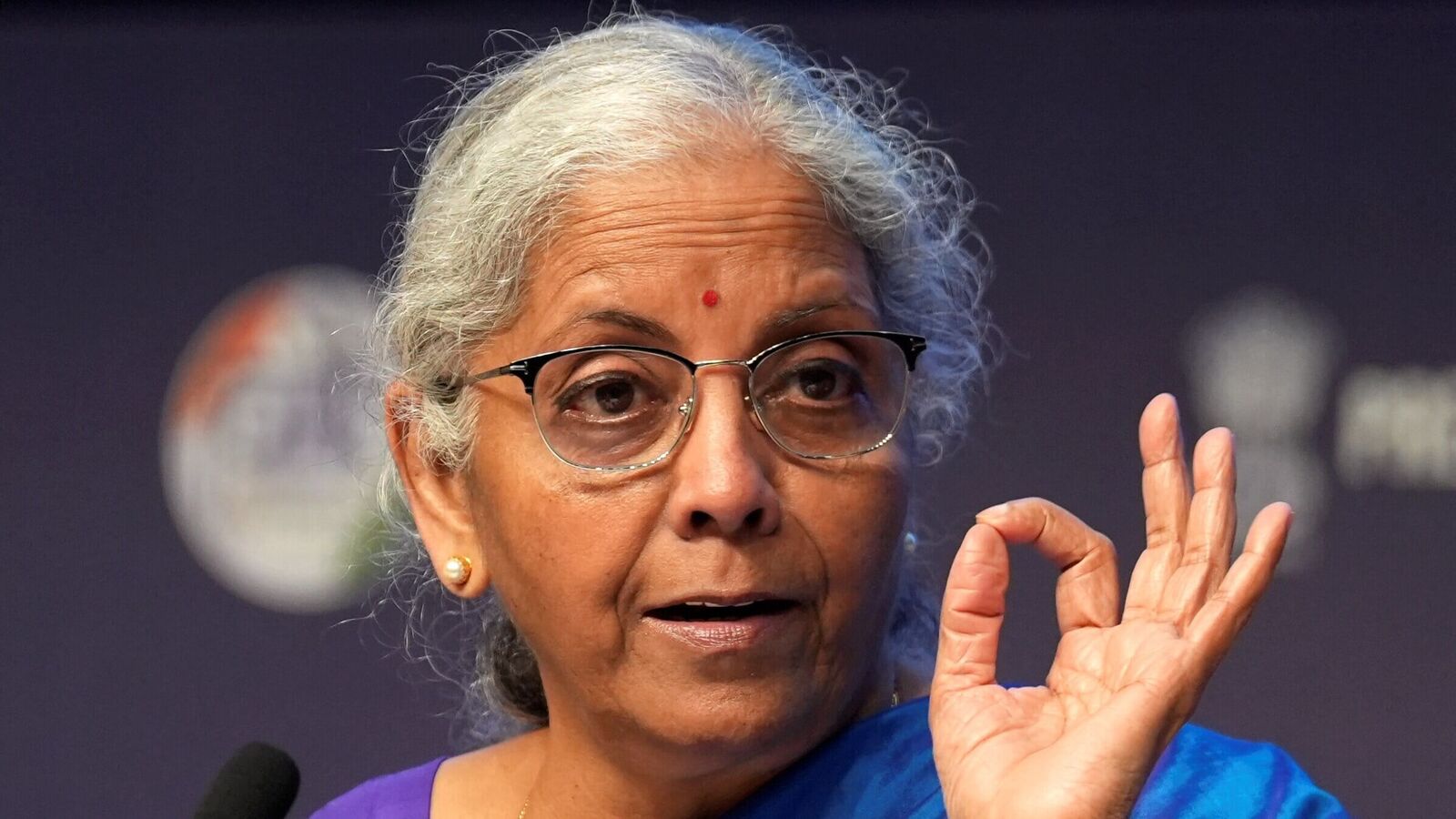
As the Union Budget 2026 approaches, expectations for significant tax relief appear limited. Analysts suggest that this year’s budget will focus more on balancing economic growth, fiscal discipline, and necessary reforms rather than making bold announcements. With a challenging economic backdrop, the government’s approach will likely prioritize support for businesses and job creation while navigating various macroeconomic pressures.
A Challenging Economic Backdrop
The Honourable Finance Minister faces a complex economic landscape as the Union Budget approaches. Several factors are influencing this environment, including a weakening rupee, pressure on exports, and geopolitical tensions. The absence of a comprehensive trade agreement with the United States and ongoing outflows of foreign institutional investment further complicate the situation. As a result, the measures introduced in this year’s budget are expected to align closely with the government’s broader economic framework and reform agenda.
In light of these challenges, the government is likely to focus on incentivizing businesses, particularly those in export-oriented sectors. Accelerating employment generation will also be a priority. The budget’s policies will aim to stimulate growth while maintaining fiscal discipline, ensuring that the government can navigate the current economic uncertainties effectively.
Limited Room for Tax Relief
Last year’s budget provided meaningful tax relief by revising personal income tax slabs and enhancing the Section 87A rebate. This left little room for further concessions in the upcoming budget. The changes were designed to encourage taxpayers to transition from the old tax regime to the new, simpler system. Currently, approximately 72% of taxpayers have opted for the new tax regime, and this number is expected to rise.
While there is speculation about the potential phasing out of the old tax regime, it is unlikely to happen immediately. The new tax regime has been incorporated into the Income Tax Act, 2025, and the government may consider retaining the old system for the time being. However, ongoing issues related to misuse and incorrect deductions under the old regime may prompt future discussions about its elimination.
Capital Gains and Market Participation
The 2024 budget saw significant changes to the capital gains tax regime, including adjustments to holding periods and tax rates aimed at simplification. While some asset classes benefited from these changes, tax rates on listed securities, both short-term and long-term, increased, along with the Securities Transaction Tax (STT). Given the growing participation of retail investors in Indian capital markets, there is a strong case for reviewing these measures.
The government may consider moderating capital gains tax rates on listed securities or increasing the basic exemption limit for long-term capital gains, currently set at ₹1.25 lakh. Additionally, allowing the set-off of long-term capital losses against short-term capital gains in Budget 2026 could enhance tax equity and align the treatment of capital assets more fairly.
Fiscal Discipline Remains an Important Consideration
As the government prepares for the upcoming budget, it is expected to maintain a firm commitment to fiscal discipline. This approach leaves limited room for aggressive fiscal expansion. However, carefully calibrated policy measures aimed at stimulating consumption and job creation could help strengthen growth momentum and improve tax revenues.
The benefits of such fiscal initiatives may take time to materialize, but they are crucial for sustaining economic growth. The government’s focus on fiscal consolidation will likely shape its decisions in the upcoming budget, ensuring that any measures taken are both responsible and effective in addressing the current economic challenges.
Observer Voice is the one stop site for National, International news, Sports, Editor’s Choice, Art/culture contents, Quotes and much more. We also cover historical contents. Historical contents includes World History, Indian History, and what happened today. The website also covers Entertainment across the India and World.
Follow Us on Twitter, Instagram, Facebook, & LinkedIn

