

Sustainable Heating and Cooling Through Subsurface Technology

As the world continues to grapple with climate change and rising energy demands, innovative and sustainable solutions for heating and cooling have never been more critical. One approach gaining traction across residential, commercial, and industrial sectors is subsurface technology, especially geothermal systems that harness the Earth’s natural thermal properties. This blog explores how these technologies work, their benefits, and why they’re becoming a cornerstone in sustainable building design.
What Is Subsurface Technology?
Subsurface technology refers to systems that interact with the ground beneath your feet to regulate temperature. Unlike conventional heating and cooling methods that rely on burning fossil fuels or consuming large amounts of electricity, subsurface systems take advantage of the stable temperatures found a few feet below the Earth’s surface. This stable thermal environment can be used for both heating and cooling, making it an incredibly efficient alternative to traditional HVAC systems.
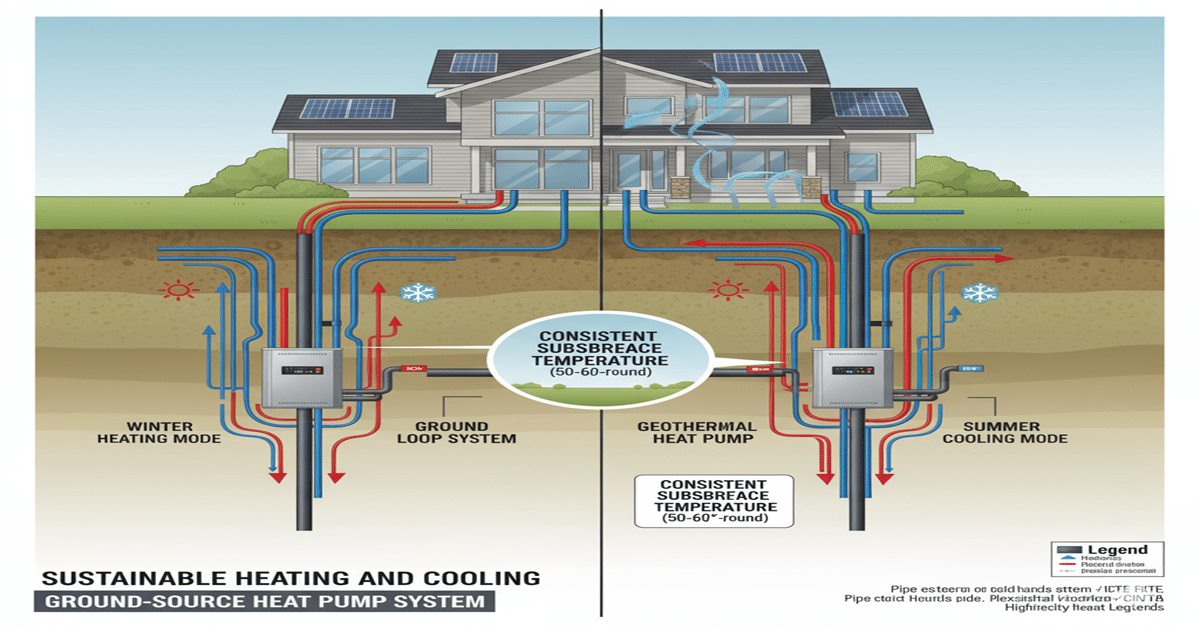
At its core, subsurface heating and cooling systems use a network of pipes buried underground, filled with a fluid that circulates to absorb heat from, or release heat into, the Earth. In winter, the system extracts heat from the ground and transfers it into buildings; in summer, the process reverses, drawing heat from indoors and depositing it underground.
How Geothermal Systems Work
Geothermal systems, also known as ground-source heat pumps, are the most common application of subsurface technology for temperature control. They consist of three primary components: the ground loop, the heat pump, and the distribution system inside the building.
The ground loop is a series of pipes installed either vertically or horizontally below the surface. These loops circulate a mixture of water and antifreeze to exchange heat with the surrounding earth. One widely used technique for creating effective ground loops is geothermal drilling, which allows installers to reach deeper, more thermally stable ground layers. By investing in quality installation, buildings can achieve reliable year-round performance and significantly reduce energy consumption.
Once the fluid moves through the ground loop, it reaches the heat pump, typically located inside the building. The heat pump uses a refrigeration cycle to transfer heat. During cold months, it extracts thermal energy from the fluid and amplifies it to warm indoor air. During warmer months, the cycle reverses, pulling heat from indoor air and transferring it back into the ground.
Finally, a distribution system, such as ductwork or radiant floor heating, delivers comfortable temperatures throughout the space. Because the subsurface system provides a steady baseline temperature, the distribution system doesn’t have to work as hard as traditional systems, resulting in lower energy usage.
Environmental and Economic Benefits
One of the most significant advantages of subsurface heating and cooling is its potential for energy savings. Geothermal systems can be up to four times more efficient than traditional HVAC units because they move heat rather than generate it through combustion or electrical resistance. This higher efficiency translates to lower utility bills and reduced strain on the electrical grid.
From an environmental perspective, these systems can dramatically reduce a building’s carbon footprint. By relying less on fossil fuels and more on the Earth’s natural heat, geothermal technologies cut greenhouse gas emissions and align with broader sustainability goals. They also reduce peak energy demand, which helps utilities manage resources more effectively and can lead to broader grid resilience.
In addition, subsurface systems have long lifespans. The underground piping used in geothermal loops can last over 50 years with minimal maintenance, and the indoor components often exceed 20 years of reliable service. This durability means less frequent replacement and lower lifecycle costs compared to traditional heating and cooling equipment.
Ideal Applications of Subsurface Systems
Subsurface heating and cooling is versatile and can be adapted to various building types. Residential homes benefit from lower monthly energy bills and increased comfort, while commercial buildings can see significant operational cost savings over time. Large institutions, such as schools and healthcare facilities, can integrate geothermal systems into broader sustainability plans to meet energy reduction targets and improve occupant comfort.
Urban developments are also exploring district geothermal systems, where multiple buildings share a centralized subsurface heating and cooling network. This collaborative approach maximizes efficiency and can be particularly effective in dense communities where space for traditional equipment is limited.
The Future of Sustainable Climate Control
As technology continues to advance, subsurface heating and cooling systems are becoming more efficient, more affordable, and more accessible. Innovations in drilling techniques, materials, and system design are helping lower upfront costs and expand the range of possible applications.
In a world where reducing carbon emissions and energy consumption is essential, not optional, subsurface technology stands out as a practical, sustainable solution. Whether for a single home or an entire district, these systems offer a reliable path toward greener, more efficient climate control.
By harnessing the constant temperature beneath the Earth’s surface, we’re not just heating and cooling spaces, we’re redefining how buildings interact with the environment and moving toward a more sustainable future.
Observer Voice is the one stop site for National, International news, Sports, Editor’s Choice, Art/culture contents, Quotes and much more. We also cover historical contents. Historical contents includes World History, Indian History, and what happened today. The website also covers Entertainment across the India and World.

