

ExxonMobil and Other Companies Consider Venezuela’s Current Environment ‘Uninvestable’

When U.S. President Donald Trump convened a meeting with senior oil executives to discuss investment opportunities in Venezuela, he emphasized the country’s vast oil reserves and the potential for revitalization. Venezuela, which holds the world’s largest proven oil reserves, has seen its production plummet due to years of mismanagement and sanctions. Despite Trump’s optimistic outlook, oil executives expressed caution, citing legal uncertainties and economic risks that deter large-scale investments, even with presidential backing.
A Country Rich in Oil, Poor in Production
Venezuela is home to an estimated 303 billion barrels of proven oil reserves, accounting for approximately 17% of the global total. In the late 1990s, the nation was a leading oil exporter, producing over 3 million barrels per day. However, current production has dwindled to less than 1 million barrels daily. This dramatic decline is attributed to years of mismanagement, underinvestment, and the decay of infrastructure, which has severely impacted what was once a sophisticated oil industry.
Oil companies are skeptical about the feasibility of restoring production levels. Reviving the industry is not simply about restarting wells; it involves extensive rebuilding of pipelines, refineries, and power supplies, as well as the recruitment of skilled labor. These requirements necessitate long-term capital commitments, which many companies are hesitant to make given the current state of Venezuela’s oil sector.
Trump’s Argument: Security, Speed, and Scale
During the meeting, Trump urged oil executives to consider substantial investments, suggesting figures as high as $100 billion. He promised “total security” for American firms and indicated that deals could be finalized swiftly. The administration framed the discussion within a broader geopolitical context, urging U.S. companies to act decisively to prevent China and Russia from increasing their influence in Venezuela.
While the administration views Venezuela’s oil as both an economic and strategic opportunity, executives from major oil companies are more focused on the associated risks. The potential for investment is overshadowed by concerns about the stability of the political and legal environment in Venezuela, which could jeopardize long-term commitments.
ExxonMobil Draws a Clear Boundary
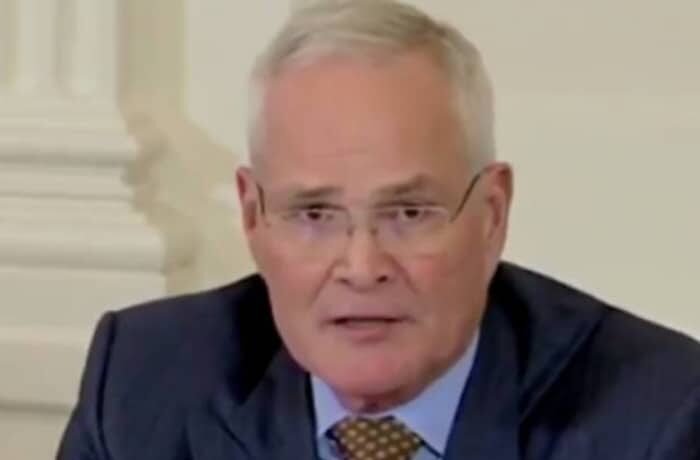
ExxonMobil’s chief executive provided a stark assessment of the investment climate in Venezuela, labeling it “uninvestable.” This perspective is shaped by the company’s long history in the country, where it has faced asset expropriations, particularly during the nationalization wave under Hugo Chávez. For ExxonMobil, which typically engages in projects requiring billions of dollars and spanning decades, the lack of durable legal protections is a significant deterrent. While the company is open to sending a technical team to evaluate existing assets, it has refrained from making any financial commitments.
This cautious approach highlights the distinction between technical assessments, which can be reversed, and large-scale investments, which involve significant risk and long-term planning.
Cautious Engagement from Other Companies
Chevron’s approach reflects a more cautious engagement with Venezuela. The company is already involved in joint ventures and special licenses in the country and indicated that it could boost production from its existing operations by up to 50% in the next 18 to 24 months. However, this increase is modest compared to Venezuela’s historical production levels and primarily stems from improvements to existing assets rather than new, capital-intensive projects.
Other companies, like Shell, have expressed interest in potential opportunities in Venezuela but emphasize the need for sustained regulatory clarity and sanctions waivers. Oilfield services firms, such as SLB, are more optimistic about ramping up operations due to their different risk profiles. They can scale their services more easily than producers who must commit significant capital to infrastructure and fields.
The meeting underscored the oil industry’s cautious stance toward Venezuela. While the country’s oil reserves are acknowledged, the prevailing sentiment is one of admiration without commitment, as companies await more stable conditions before making substantial investments.
Observer Voice is the one stop site for National, International news, Sports, Editor’s Choice, Art/culture contents, Quotes and much more. We also cover historical contents. Historical contents includes World History, Indian History, and what happened today. The website also covers Entertainment across the India and World.

