

Elder Abuse: A Global Health Crisis Affecting 1 in 6 Older Adults

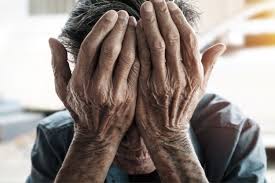
Understanding Elder Abuse: Definition and Scope
The World Health Organization defines elder abuse as an intentional act, or failure to act, by a caregiver or another person in a relationship involving an expectation of trust that causes harm to an adult 60 years and older. This definition is crucial because it emphasizes two key elements: the violation of trust and the intentionality or negligence involved in the harmful action.
Elder abuse is not a monolithic problem but encompasses multiple forms of mistreatment. These include physical abuse, which involves the use of force resulting in injury, pain, or impairment. Psychological or emotional abuse includes verbal assaults, threats, harassment, intimidation, or controlling behaviors that cause mental anguish. Sexual abuse involves any non-consensual sexual contact with an older person. Financial exploitation represents the illegal or improper use of an older adult’s funds, property, or assets. Neglect, whether active or passive, involves failure to fulfill caregiving obligations, resulting in physical or emotional harm.
The global scale of this problem is staggering. With aging populations increasing worldwide, the absolute number of older people experiencing abuse continues to rise, even if rates remain constant. Current projections suggest that by 2050, one in five people globally will be 60 years or older, which means the number of potential victims could increase dramatically without effective intervention strategies.
Prevalence in Community and Institutional Settings
The distinction between community-based and institutional abuse reveals important patterns about where and how elder abuse occurs. In community settings, which include private homes and independent living arrangements, approximately 16 percent of older adults experience abuse annually. This translates to millions of individuals suffering in relative silence, often at the hands of family members, friends, or paid caregivers whom they trust.
However, institutional settings present an even more troubling picture. Nursing homes, assisted living facilities, and long-term care institutions show significantly higher abuse rates. The finding that two-thirds of staff report committing abuse is particularly alarming because it suggests systemic problems within these care environments rather than isolated incidents. This high rate of self-reported abuse by caregivers indicates that institutional cultures, staffing challenges, inadequate training, and high-stress environments contribute to widespread mistreatment.
The underreporting of elder abuse further complicates efforts to understand its true prevalence. Many older adults who experience abuse do not report it due to shame, fear of retaliation, dependency on their abusers, cognitive impairment, social isolation, or lack of awareness about available resources. This means that reported statistics likely represent only a fraction of actual abuse cases.
Risk Factors for Elder Abuse
Understanding the risk factors associated with elder abuse is essential for developing effective prevention strategies. These factors operate at multiple levels, affecting both potential victims and potential perpetrators.
Individual risk factors for older adults include functional dependence and disability, which make them more reliant on others for care. Cognitive impairment and dementia increase vulnerability because affected individuals may have difficulty recognizing abuse, reporting it, or defending themselves. Social isolation reduces the likelihood that abuse will be discovered by others. Poor physical health often necessitates intensive caregiving, which can create stressful situations. Previous exposure to violence or trauma may also increase vulnerability.
Caregiver characteristics that increase the risk of committing abuse include psychological problems such as depression or anxiety. Substance abuse by caregivers significantly elevates abuse risk. Financial dependence of the caregiver on the older adult can create tensions and opportunities for exploitation. Lack of training in proper caregiving techniques leaves caregivers unprepared to handle challenging situations. High levels of caregiver stress and burden, particularly in situations involving dementia care, can lead to neglect or active abuse.
Relationship factors also play important roles. Shared living arrangements can increase both intimacy and conflict. History of poor relationship quality between the caregiver and care recipient creates fertile ground for abuse. Family violence history often predicts elder abuse within the same family system.
Community and societal factors contribute to the problem as well. Ageism, or discriminatory attitudes toward older people, creates an environment where abuse may be tolerated or overlooked. Cultural norms that devalue older adults or give excessive authority to caregivers can enable abuse. Weak legal protections for older adults and inadequate enforcement of existing laws fail to deter abuse. Limited resources for support services leave caregivers without necessary assistance.
Health Consequences of Elder Abuse
The impact of elder abuse extends far beyond immediate physical injuries. Physical abuse can result in fractures, bruises, internal injuries, and head trauma. Older adults often have fragile bones and slower healing processes, making physical abuse particularly dangerous. Even relatively minor physical violence can have serious consequences for elderly individuals.
Psychological and emotional consequences of abuse are profound and long-lasting. Victims often experience depression, anxiety, post-traumatic stress disorder, and increased suicide risk. The violation of trust inherent in elder abuse, particularly when perpetrated by family members or trusted caregivers, causes deep emotional wounds. Many victims experience shame, guilt, and self-blame, which compounds the psychological damage.
The health consequences of elder abuse are well-documented. Abuse victims show increased use of emergency services and higher rates of hospitalization. They face elevated risks of premature death compared to non-abused older adults. Research demonstrates that even after controlling for other health conditions, abuse significantly increases mortality risk. Victims are also more likely to require nursing home placement, often as a direct result of the abuse or its consequences.
Financial exploitation deserves particular attention because it can strip older adults of resources needed for their care, housing, and basic needs. Victims of financial abuse may become impoverished, lose their homes, or become dependent on public assistance. The stress and anxiety associated with financial loss can exacerbate existing health conditions and contribute to cognitive decline.
The COVID-19 Pandemic and Elder Abuse
The COVID-19 pandemic created conditions that likely increased elder abuse rates worldwide. Lockdowns and social distancing measures intensified social isolation for many older adults, reducing opportunities for abuse detection by healthcare providers, social workers, or family members. Economic stresses associated with the pandemic increased household tensions. Overwhelmed healthcare systems had fewer resources available to identify and respond to abuse.
During the pandemic, several countries reported increases in domestic violence, including violence against older people. The closure of community centers, adult day programs, and other services that provide respite for caregivers removed important pressure valves that help prevent abuse. Healthcare workers and social services faced unprecedented demands, reducing their capacity to screen for and respond to elder abuse.
WHO published specific guidance on addressing violence against older people during the COVID-19 pandemic, recognizing the heightened risks during this global health crisis.
Prevention Strategies and Interventions
Addressing elder abuse requires a multifaceted approach combining prevention, early detection, and effective response. Various strategies have been implemented primarily in high-income countries, though their applicability extends globally.
Public and professional awareness campaigns play crucial roles in prevention by educating communities about elder abuse, its signs, and available resources. These campaigns help reduce the stigma that prevents victims from seeking help and encourage bystanders to report suspected abuse. Professional training ensures that healthcare workers, social workers, law enforcement officers, and other professionals can recognize signs of abuse and respond appropriately.
Screening programs attempt to identify potential victims and abusers before severe harm occurs. Healthcare settings provide important opportunities for screening because older adults may visit doctors regularly. However, screening must be conducted sensitively and privately to avoid putting victims at increased risk.
Caregiver support interventions represent some of the most promising prevention approaches. These programs recognize that many caregivers want to provide good care but struggle with the physical, emotional, and financial demands of caregiving. Support interventions include stress management training, respite care services that give caregivers breaks, education about proper caregiving techniques, and support groups where caregivers can share experiences and coping strategies.
Dementia care training for caregivers specifically addresses the unique challenges of caring for individuals with cognitive impairment. Dementia-related behaviors such as wandering, aggression, or incontinence can be extremely stressful for unprepared caregivers. Proper training helps caregivers understand these behaviors as symptoms rather than willful misconduct and teaches appropriate management techniques.
Money management programs help protect vulnerable older adults from financial exploitation. These programs may include representative payee services, financial powers of attorney with appropriate safeguards, automatic bill payment systems, and regular financial oversight by trusted individuals or organizations. Some programs provide financial education specifically designed for older adults.
School-based intergenerational programs bring young people and older adults together in meaningful activities. These programs help combat ageism by fostering understanding and respect between generations. Research suggests that reducing ageist attitudes may help prevent elder abuse in the long term.
Residential care policies that define and improve standards of care in nursing homes and long-term care facilities are essential for preventing institutional abuse. These policies should address staffing ratios, staff training requirements, resident rights, complaint procedures, and regular inspections. Strong regulatory frameworks with meaningful enforcement mechanisms can create accountability for institutional care providers.
Response Systems and Support Services
When elder abuse occurs, effective response systems are essential for stopping ongoing abuse and preventing recurrence. These response systems often involve multiple sectors working together.
Mandatory reporting laws require certain professionals to report suspected elder abuse to authorities. While controversial in some contexts, these laws aim to ensure that abuse is brought to official attention even when victims are unable or unwilling to report it themselves. However, mandatory reporting must be balanced with respect for older adults’ autonomy and preferences.
Adult protective services provide investigation and intervention when vulnerable adults are experiencing abuse, neglect, or exploitation. These services can arrange emergency assistance, coordinate with law enforcement when criminal activity is suspected, help victims access healthcare and legal services, and work to establish safer living situations.
Helplines provide crucial access points for victims, concerned family members, and professionals seeking guidance. These telephone services offer information about available resources, crisis counseling, and referrals to appropriate services. The accessibility of helplines makes them particularly valuable for isolated older adults who may have limited ability to seek help through other channels.
Safe houses and emergency shelters specifically designed for older adults provide immediate refuge for those fleeing abusive situations. These facilities must accommodate the special needs of older adults, including mobility challenges, medical conditions, and medication requirements. The availability of such shelters remains limited in many areas, creating gaps in protective services.
Multidisciplinary teams bring together professionals from various sectors to develop comprehensive responses to complex elder abuse cases. These teams typically include representatives from healthcare, social services, law enforcement, legal services, and mental health care. The team approach recognizes that elder abuse often involves multiple problems requiring coordinated solutions across different systems.
Self-help groups and support groups for abuse victims provide peer support and reduce isolation. Sharing experiences with others who have faced similar situations can be therapeutic and empowering. These groups may also provide practical information about navigating support systems and legal processes.
Psychological programs for abusers recognize that in some cases, particularly those involving family caregivers, addressing the abuser’s problems may be necessary to stop the abuse. Programs may address substance abuse, anger management, stress reduction, or mental health issues contributing to abusive behavior. However, such programs must prioritize victim safety and should not delay or replace criminal accountability where appropriate.
The UN Decade of Healthy Ageing Initiative
In 2022, during World Elder Abuse Awareness Day on June 15, the World Health Organization and its partners published “Tackling abuse of older people: five priorities for the UN Decade of Healthy Ageing (2021-2030).” This document represents a comprehensive framework for global action on elder abuse.
The UN Decade of Healthy Ageing provides a unique opportunity for transformative change in how societies address elder abuse. The initiative aims to prevent and respond to abuse of older people in a more concerted, sustained, and coordinated manner, ultimately reducing the number of older people worldwide who experience abuse.
The five priorities outlined in the WHO document provide a roadmap for action. The first priority involves combating ageism, recognizing that discriminatory attitudes toward older people create environments where abuse can flourish. Addressing ageism requires changing cultural narratives about aging, challenging stereotypes, and promoting positive representations of older adults in media and public discourse.
The second priority focuses on generating more and better data on prevalence, risk factors, and protective factors. Despite the known scale of elder abuse, significant gaps remain in our understanding of the problem. More research is needed on prevalence in low- and middle-income countries, effectiveness of different interventions, economic costs of elder abuse, and long-term outcomes for victims. Improved data collection and research will enable evidence-based policy development and program design.
The third priority involves developing and scaling up cost-effective solutions for preventing and responding to elder abuse. While some interventions have shown promise, many remain small-scale pilot projects rather than widespread programs. Scaling up effective interventions requires adaptation to different cultural contexts, integration into existing health and social service systems, and sustainable financing mechanisms.
The fourth priority addresses the need for making an investment case for addressing elder abuse. Decision-makers and funders require clear evidence about the costs of inaction and the returns on investment in prevention and intervention programs. Economic analyses should consider not only direct costs of healthcare and services but also indirect costs such as lost productivity, reduced quality of life, and premature mortality.
The fifth priority focuses on raising funds specifically for tackling elder abuse. Despite the magnitude of the problem, elder abuse prevention and response programs often receive inadequate funding. Dedicated funding streams are needed to support research, program implementation, workforce training, and evaluation efforts.
The Role of Different Sectors
Addressing elder abuse effectively requires engagement from multiple sectors of society. Healthcare systems play crucial frontline roles in identifying abuse through routine screening, treating injuries and health consequences, documenting findings for legal purposes, and connecting victims with support services. Healthcare professionals need training to recognize signs of abuse, which may be subtle or easily confused with normal aging or disease processes.
Social services provide essential support through adult protective services, case management, assistance with housing and financial needs, and coordination of multidisciplinary responses. Social workers often serve as central figures in elder abuse cases, helping victims navigate complex systems and access needed resources.
Law enforcement and criminal justice systems must treat elder abuse as a serious crime deserving thorough investigation and appropriate prosecution. Police officers need specialized training to interview older victims who may have communication difficulties, cognitive impairment, or fear of repercussions. Prosecutors must understand the unique dynamics of elder abuse cases and the challenges victims face in participating in criminal proceedings.
Legal services help victims obtain protective orders, pursue civil remedies for financial exploitation, establish guardianships or conservatorships when appropriate, and navigate probate and estate planning issues. Access to legal assistance is essential but often limited, particularly for low-income older adults.
Long-term care providers, including nursing homes, assisted living facilities, and home health agencies, have responsibilities to prevent abuse within their organizations through proper hiring practices, adequate staffing, comprehensive training, strong supervision, and robust accountability mechanisms. The culture within care organizations significantly influences whether abuse occurs and whether it is appropriately addressed.
Community organizations, including faith communities, senior centers, and volunteer programs, can provide social support that reduces isolation, offer respite and assistance to caregivers, raise awareness about elder abuse, and serve as trusted sources of referrals to formal services.
Cultural Considerations and Global Perspectives
Elder abuse occurs in all countries, cultures, and socioeconomic groups, but cultural factors influence its forms, prevalence, reporting, and appropriate responses. Family structures, gender roles, inheritance practices, and attitudes toward aging vary significantly across cultures and affect elder abuse dynamics.
In some cultures, extended family living arrangements are normative, which may provide protection through multiple family members sharing caregiving responsibilities and providing oversight. However, these arrangements can also create situations where abuse occurs in the presence of family members who may feel unable to intervene due to hierarchical family structures.
Cultural values regarding family privacy may create barriers to reporting abuse or accepting outside intervention. In societies where family matters are considered strictly private, older adults and other family members may be extremely reluctant to involve authorities or social services in family problems.
Gender considerations are important because older women often face different risks than older men, reflecting broader patterns of gender inequality. In many societies, widowed or unmarried older women are particularly vulnerable to financial exploitation, neglect, and social marginalization.
Migration and globalization create new challenges as family members may be geographically dispersed, leaving older adults with reduced family support. Economic pressures may lead family members to view older relatives’ resources as needed assets rather than respecting their ownership and control.
Challenges in Addressing Elder Abuse
Despite growing awareness and various intervention strategies, significant challenges remain in effectively preventing and responding to elder abuse. Underreporting represents perhaps the most fundamental challenge. Many victims never disclose abuse to anyone, let alone to authorities or service providers. This silence prevents intervention and makes it difficult to understand the true scope of the problem.
Limited resources for prevention and intervention programs constrain what can be accomplished even when political will exists. Elder abuse services often compete for funding with other priorities and may be seen as less urgent than services for children or other vulnerable populations.
Workforce shortages and inadequate training affect both prevention and response. Healthcare workers, social workers, law enforcement officers, and lawyers often receive minimal training on elder abuse during their professional education. High turnover in caregiving professions creates ongoing training challenges.
Legal and systemic barriers complicate responses to elder abuse. Criminal prosecution of elder abuse can be difficult due to victim credibility concerns, cognitive impairment that affects testimony, victim reluctance to testify against family members, and evidence collection challenges. Civil legal remedies may be inaccessible due to cost, complexity, or lack of legal services.
Balancing protection with autonomy creates ethical dilemmas. Older adults have the right to make their own decisions, even decisions that others might view as unwise. Determining when intervention is necessary to protect a vulnerable adult versus when it represents unwanted paternalism requires careful judgment.
Future Directions and Opportunities
The aging of global populations makes addressing elder abuse increasingly urgent. The next decades will see unprecedented numbers of older adults worldwide, particularly in low- and middle-income countries where support systems may be less developed.
Technology offers both opportunities and challenges. Telehealth and remote monitoring could help identify abuse and provide support to isolated older adults. However, technology also creates new avenues for exploitation, including online scams targeting older adults and surveillance that violates privacy.
Research priorities include developing and testing interventions in diverse cultural contexts, understanding what works for whom under what circumstances, identifying protective factors that buffer against abuse, and examining the effectiveness of different policy approaches.
Policy development should focus on strengthening legal protections while respecting autonomy, ensuring adequate funding for services, establishing quality standards for institutional care, supporting family caregivers, and promoting age-friendly communities that value and include older adults.
The Violence Prevention Alliance, a WHO initiative, works globally to prevent violence including elder abuse through evidence-based approaches and multi-sectoral collaboration.
Monitoring and Data Collection
WHO’s Violence Info database provides access to data on violence prevention including elder abuse statistics from countries worldwide. This resource helps researchers, policymakers, and advocates understand the scope of the problem and track progress over time.
The UN Decade of Healthy Ageing database specifically focuses on promising interventions to prevent and respond to abuse of older people, providing a repository of evidence-based practices that can be adapted and implemented in different contexts.
Conclusion
Elder abuse represents a serious public health problem affecting millions of older adults worldwide. With one in six community-dwelling older adults and two in three nursing home residents experiencing abuse, the scale of this problem demands urgent action. The consequences of elder abuse extend beyond immediate physical injuries to encompass psychological trauma, increased healthcare utilization, and premature death.
Effective responses to elder abuse require coordinated efforts across multiple sectors, including healthcare, social services, law enforcement, and communities. Prevention strategies that support caregivers, combat ageism, and promote awareness show promise but need to be scaled up and adapted to diverse contexts. When abuse occurs, comprehensive response systems including helplines, protective services, legal assistance, and safe shelters are essential.
The UN Decade of Healthy Ageing provides a framework for global action through its five priorities: combating ageism, improving data, scaling up effective solutions, making the investment case, and raising funds. If governments, organizations, and communities implement these priorities, significant progress can be made in preventing elder abuse and improving the health, wellbeing, and dignity of older people worldwide.
As populations continue to age, societies face a choice: allow elder abuse to increase proportionally with the growing number of older adults, or invest in prevention and intervention to create communities where all people can age safely and with dignity. The evidence and tools exist to make substantial progress. What remains is the political will and resource commitment to translate knowledge into action.
Related Resources:
- WHO Global Strategy and Action Plan on Ageing and Health
- WHO Fact Sheet on Abuse of Older People
- United Nations Principles for Older Persons
- HelpAge International
- International Network for the Prevention of Elder Abuse (INPEA)
Frequently Asked Questions (Q&A Section)
Q1: What exactly is elder abuse? Elder abuse is defined as an intentional act, or failure to act, by a caregiver or another person in a relationship involving an expectation of trust that causes harm to an adult 60 years and older. It includes physical abuse, emotional or psychological abuse, sexual abuse, financial exploitation, and neglect. The key element is that abuse occurs within a relationship where trust is expected. More information is available at the WHO health topics page on abuse of older people.
Q2: How common is elder abuse? Approximately one in six people aged 60 and older experiences some form of abuse in community settings each year. In institutional settings like nursing homes and long-term care facilities, rates are even higher, with two out of three staff members reporting that they have committed abuse in the past year. These figures likely underestimate the true prevalence due to significant underreporting.
Q3: Who typically commits elder abuse? Elder abuse is most often perpetrated by people in trusted relationships with the victim, including family members (particularly adult children or spouses), other relatives, friends, neighbors, and paid caregivers. In institutional settings, nursing home staff, including nurses, aides, and other employees, may commit abuse. The violation of trust makes elder abuse particularly traumatic for victims.
Q4: What are the warning signs of elder abuse? Warning signs vary by abuse type but may include unexplained injuries, bruises in unusual locations, sudden changes in financial situations, withdrawal from social activities, changes in personality or behavior, poor hygiene or inadequate nutrition, medication mismanagement, fearfulness around certain people, and reluctance to speak openly in the presence of caregivers. Healthcare providers and family members should watch for these indicators.
Q5: Why don’t older adults report abuse? Many factors prevent older adults from reporting abuse: shame and embarrassment, fear of retaliation by the abuser, dependency on the abuser for care, cognitive impairment that affects their ability to report, social isolation that limits contact with people who could help, belief that no one will believe them, cultural values emphasizing family privacy, and fear of being placed in a nursing home if they report family abuse.
Q6: What increases the risk of elder abuse? Risk factors for victims include functional dependence, cognitive impairment or dementia, social isolation, poor physical health, and history of family violence. Caregiver risk factors include psychological problems, substance abuse, financial dependence on the older adult, lack of caregiving training, and high stress levels. Community factors such as ageism and weak legal protections also increase risk.
Q7: What should I do if I suspect elder abuse? If you suspect elder abuse, take it seriously. Contact adult protective services in your area, which investigates reports of abuse. In emergency situations involving immediate danger, contact law enforcement. Healthcare providers may have mandatory reporting obligations. You can also contact elder abuse hotlines for guidance. Even if you’re uncertain, reporting allows professionals to assess the situation.
Q8: How does elder abuse affect health? Elder abuse has serious health consequences including physical injuries, increased risk of premature death, depression and anxiety, post-traumatic stress disorder, increased use of emergency services, higher hospitalization rates, and greater likelihood of nursing home placement. Even after controlling for other factors, abuse significantly increases mortality risk among older adults.
Q9: What is financial exploitation of older adults? Financial exploitation involves the illegal or improper use of an older adult’s funds, property, or assets. This can include stealing money or possessions, forging signatures, forcing changes to wills or deeds, using debit or credit cards without permission, or coercing the older person to sign financial documents. Financial exploitation can leave victims impoverished and unable to pay for needed care.
Q10: How can caregivers prevent becoming abusive? Caregivers can reduce their risk of becoming abusive by seeking support through respite care services, joining caregiver support groups, learning proper caregiving techniques through training programs, managing their own stress through counseling or stress-reduction activities, addressing substance abuse or mental health issues, setting realistic expectations, and asking for help when feeling overwhelmed. Caregiver wellbeing directly affects care quality.
Q11: Are nursing homes required to prevent abuse? Yes, nursing homes and other long-term care facilities have legal and ethical obligations to prevent abuse. This includes proper staff hiring and training, maintaining adequate staffing levels, implementing abuse prevention policies, establishing reporting procedures, conducting background checks, providing supervision, and creating cultures of respect. Regulatory agencies inspect facilities and can impose penalties for violations.
Q12: What is the UN Decade of Healthy Ageing doing about elder abuse? The UN Decade of Healthy Ageing (2021-2030) has identified five priorities for addressing elder abuse: combating ageism, generating better data on prevalence and risk factors, developing and scaling up cost-effective solutions, making an investment case for addressing the issue, and raising funds for prevention and intervention programs. This provides a framework for coordinated global action.
Q13: How did COVID-19 affect elder abuse rates? The COVID-19 pandemic likely increased elder abuse through several mechanisms: intensified social isolation reduced opportunities for abuse detection, economic stresses increased household tensions, healthcare systems had fewer resources for identification and response, and closures of community centers and day programs removed important caregiver support services. Several countries reported increases in domestic violence during the pandemic.
Q14: What interventions are effective in preventing elder abuse? Evidence supports several interventions: caregiver support programs that provide training, stress management, and respite care; money management programs that protect against financial exploitation; public awareness campaigns; dementia care training for caregivers; multidisciplinary response teams; helplines and emergency shelters; and improved residential care standards. Effectiveness varies by context and proper implementation is essential.
Q15: How can communities combat ageism to prevent elder abuse? Communities can combat ageism through intergenerational programs that bring young and old together, media campaigns promoting positive images of aging, education about aging in schools and workplaces, policies that promote age-friendly environments, challenging stereotypes when they occur, and celebrating the contributions of older adults. Reducing ageist attitudes creates social environments less tolerant of elder abuse.
Observer Voice is the one stop site for National, International news, Sports, Editor’s Choice, Art/culture contents, Quotes and much more. We also cover historical contents. Historical contents includes World History, Indian History, and what happened today. The website also covers Entertainment across the India and World.

