

India’s ‘Sweet Spot’: Low Inflation and High Growth – Understanding the Costs of a ‘Goldilocks’ Economy

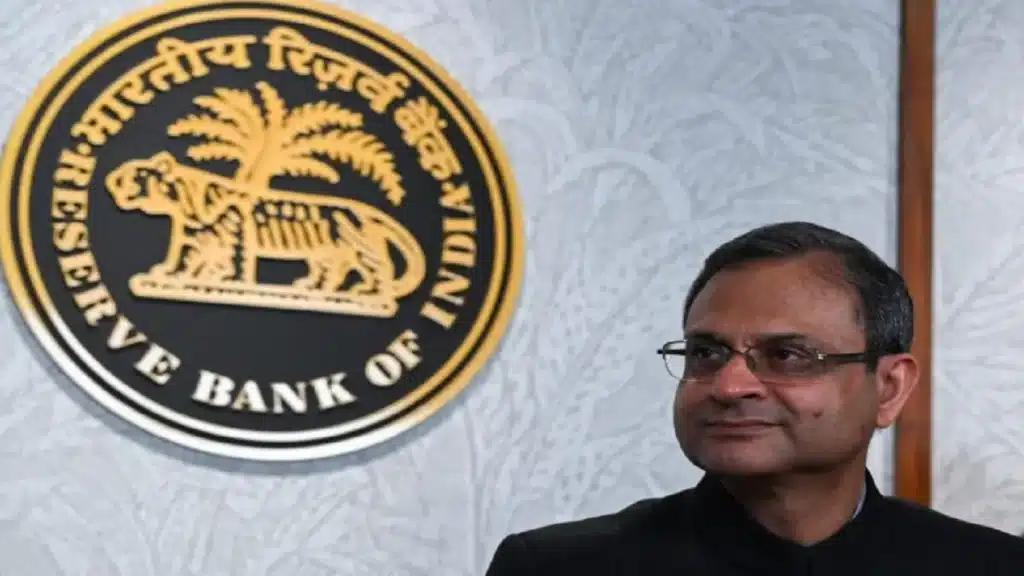
India is currently navigating a unique economic landscape characterized by near-zero inflation and robust growth exceeding 8%. This “Goldilocks” moment, while advantageous for borrowers and large corporations, poses significant challenges for farmers facing plummeting food prices. As the Reserve Bank of India (RBI) cuts interest rates to stimulate the economy, the benefits of this economic phase appear unevenly distributed, raising questions about who truly gains and who suffers in this complex scenario.
Economic Overview: A Mixed Blessing
India’s economic indicators present a paradox. On one hand, the country is experiencing record-low consumer price inflation, which has dropped to approximately 0.25%, while GDP growth for the latest quarter is estimated at around 8.2%. This growth is supported by both the manufacturing and services sectors. The RBI has responded to these conditions by reducing the policy repo rate four times this year, totaling a decrease of one percentage point. Experts describe this situation as a “Goldilocks” phase, where growth is strong, prices are stable, and there is room for further economic support. However, the implications of this economic environment vary significantly across different demographics, revealing a stark contrast between urban borrowers and rural farmers.
For urban borrowers, lower interest rates translate into reduced monthly payments and more manageable budgets. Conversely, retired savers face the risk of diminished interest income due to the same rate cuts. Farmers, particularly those selling staple crops like onions and potatoes, are experiencing distress as food prices fall below production costs. This disparity highlights the uneven distribution of benefits in the current economic climate, prompting discussions about the sustainability of this growth and its broader implications for various sectors of society.
Understanding the Numbers: Inflation and Growth
The current economic landscape is marked by impressive statistics that, at first glance, suggest a thriving economy. The sharp decline in food prices has significantly contributed to the low inflation rate, with vegetables and pulses seeing substantial price drops. However, this deflationary trend is not universal; while food prices have decreased, costs for essential services such as healthcare, education, and housing remain high. The core inflation rate, excluding food and fuel, hovers around 4-4.5%, indicating that not all sectors are benefiting equally from the low inflation environment.
The RBI’s monetary policy has been proactive, with repeated cuts to the repo rate aimed at fostering economic growth. Despite these measures, the underlying factors contributing to low inflation are complex. They include statistical base effects from previous high inflation rates and a significant drop in wholesale prices, which can indicate weak pricing power for producers. While the overall economic indicators may appear favorable, they mask deeper issues that could affect long-term stability and growth.
Winners and Losers: Who Benefits?
In this economic scenario, certain groups emerge as clear beneficiaries. Borrowers, including individuals with home loans and businesses with floating-rate loans, stand to gain from lower interest rates. The Indian government, as a major borrower, also benefits from reduced debt servicing costs, allowing for increased spending on infrastructure and welfare programs. Large corporations, particularly those with strong credit ratings, find themselves in an advantageous position, as low interest rates and growing demand create opportunities for expansion and investment.
However, the situation is markedly different for farmers, who are facing significant challenges due to falling food prices. Many farmers are selling their produce at prices that do not cover their production costs, leading to financial distress. The disparity in outcomes raises critical questions about the sustainability of the current economic model and the potential long-term impacts on rural economies and food security.
The Broader Implications: Economic Stability and Future Risks
While the current economic phase may appear beneficial on the surface, it carries inherent risks that could disrupt the delicate balance. Factors such as adverse weather conditions, global energy price fluctuations, and potential policy missteps by the RBI could quickly alter the economic landscape. Sustained low inflation, while seemingly advantageous, can lead to reduced consumer spending and pressure on producers, potentially stifling economic growth.
Moreover, the uneven distribution of benefits raises concerns about social equity and economic resilience. As farmers struggle with low prices, rural demand may decline, affecting overall consumption and economic momentum. Policymakers must navigate these complexities carefully to ensure that the benefits of growth are shared more equitably across all sectors of society, fostering a more inclusive economic environment.
Observer Voice is the one stop site for National, International news, Sports, Editor’s Choice, Art/culture contents, Quotes and much more. We also cover historical contents. Historical contents includes World History, Indian History, and what happened today. The website also covers Entertainment across the India and World.
Follow Us on Twitter, Instagram, Facebook, & LinkedIn

