

India Unveils New Labour Codes for Safer Workplaces

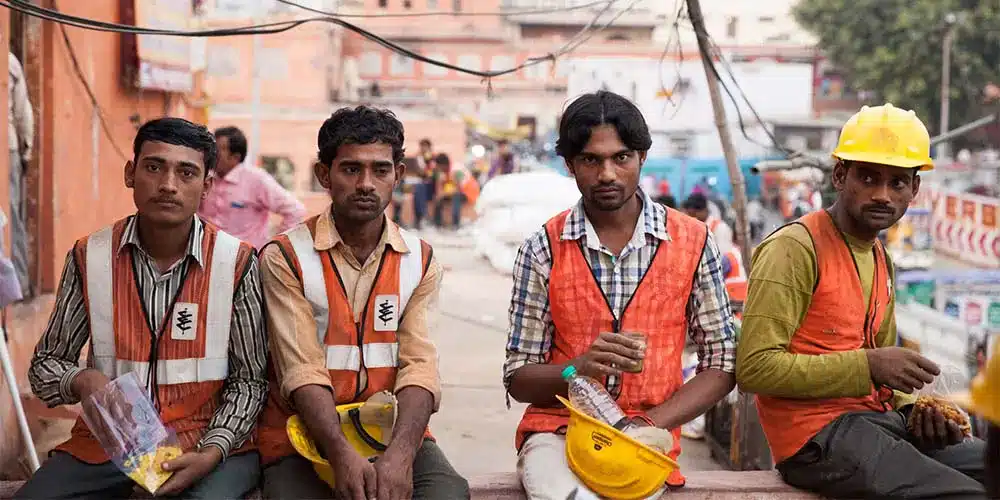
In a significant move aimed at enhancing worker safety, the Indian government has introduced new Labour Codes that consolidate 29 existing labor laws into four comprehensive codes. This reform, specifically under the Occupational Safety, Health and Working Conditions Code, 2020 (OSH&WC), focuses on creating a robust safety framework for workers, particularly in high-risk industries such as mining, petroleum, and heavy manufacturing. The new provisions include mandatory annual health check-ups, risk assessments, and emergency response systems, setting a new milestone for workplace safety across the nation.
Key Enhancements in Worker Protection
The Labour Codes implement stronger safety measures tailored for workers engaged in hazardous processes. Under the new OSH&WC framework, employers are now required to adhere to national safety standards concerning the management of hazardous substances. This includes conducting thorough risk assessments and establishing reliable emergency response strategies to safeguard the workforce.
Comprehensive Health and Welfare Initiatives
Among the notable improvements is the introduction of mandatory health and medical check-ups for workers involved in hazardous roles. The updated regulations ensure that pre-employment, periodic, and post-exposure medical evaluations become standard practice. Furthermore, each worker is entitled to a free annual health check-up, which is crucial for early detection of occupational diseases, potentially reducing healthcare costs and fostering a healthier, more productive workforce.
Mandatory Safety Equipment and Training
To protect workers, the new laws also specify that employers supply adequate personal protective equipment (PPE) such as helmets, gloves, and goggles. Enhanced sanitation and hygiene facilities, including canteens and first-aid rooms, are now mandatory in workplaces. Additionally, training sessions on the safe handling and disposal of hazardous materials have been made compulsory, ensuring that workers are well-versed in safety procedures.
Boosting Social Security
The Labour Codes facilitate better social security measures for workers, guaranteeing immediate compensation for occupational diseases or accidents. Under the Social Security Code, workers can access benefits such as medical care, pensions, and maternity leave. This shift towards a more comprehensive social security model also includes the digitization of health records, enhancing transparency and portability for workers.
Stronger Legal Framework for Hazardous Work
Previously, protections for hazardous workers were scattered across various laws, often leading to inconsistent enforcement. The introduction of the OSH&WC Code has established a uniform legal framework with clearly defined safety standards applicable to all sectors. This integrated approach not only simplifies compliance for employers but also fortifies the enforcement of safety regulations.
Mandatory Emergency Preparedness
The labour reforms mandate that all hazardous establishments develop formal emergency response plans, conduct regular mock drills, and maintain communication with local Disaster Management Authorities. This proactive approach aims to ensure that workplaces are well-prepared to handle potential crises, thereby safeguarding the health and safety of all employees.
Observer Voice is the one stop site for National, International news, Sports, Editor’s Choice, Art/culture contents, Quotes and much more. We also cover historical contents. Historical contents includes World History, Indian History, and what happened today. The website also covers Entertainment across the India and World.

