

Putin and Modi’s Upcoming Meeting in Delhi: What It Means for Global Relations

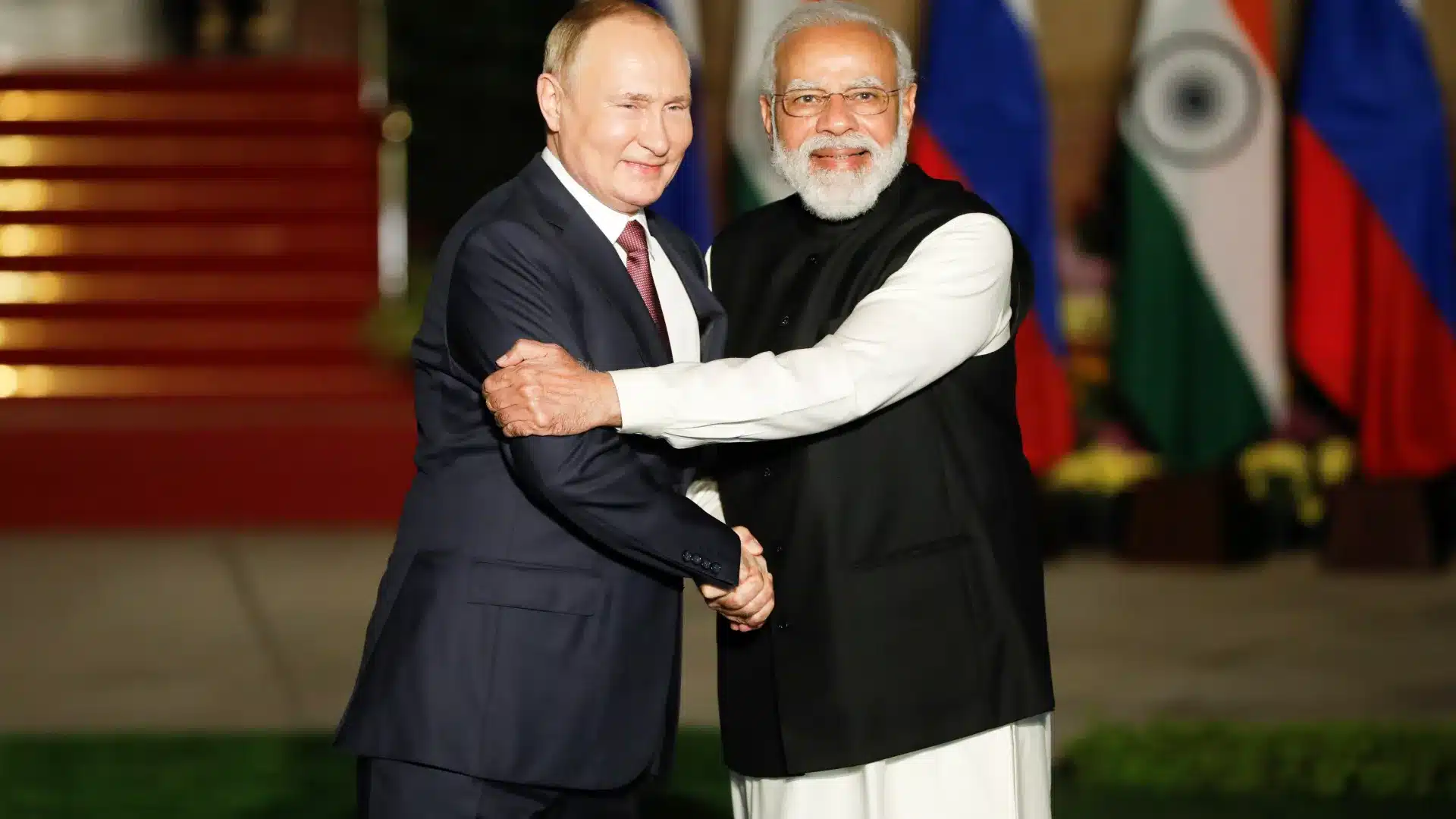
Russian President Vladimir Putin has embarked on a two-day visit to India, where he is set to meet Prime Minister Narendra Modi and participate in an annual summit between the two nations. This visit comes at a pivotal moment, as India faces increasing pressure from the United States to reduce its purchases of Russian oil. With a history of strong ties, both countries are expected to finalize several agreements during this meeting, highlighting their enduring partnership amid shifting geopolitical dynamics.
A Special Friendship, Trade Deals, and Geopolitics
The relationship between India and Russia has been a cornerstone of international diplomacy for decades. With a population nearing 1.5 billion and an economic growth rate exceeding 8%, India presents a lucrative market for Russian goods, particularly oil. The dynamics of oil trade have shifted dramatically; prior to the conflict in Ukraine, only 2.5% of India’s oil imports came from Russia. However, that figure surged to 35% as India capitalized on discounted Russian oil, a consequence of Western sanctions against Moscow.
This increase in oil imports has not gone unnoticed by the United States, which has imposed additional tariffs on Indian goods, arguing that India’s oil purchases indirectly support Russia’s military actions. As a result, India has begun to reduce its orders, and President Putin is likely to advocate for continued oil trade during his visit. Furthermore, the sale of advanced military equipment has been a longstanding priority for Russia, with reports indicating that India may seek to acquire new fighter jets and air defense systems.
Geopolitically, the Kremlin aims to showcase its resilience against Western isolation efforts. By engaging with India, Putin reinforces the narrative that Russia maintains strong alliances, particularly in Asia. This visit is not only about economic cooperation but also about signaling to the world that Russia remains a significant player on the global stage, despite the ongoing conflict in Ukraine.
Test of Modi’s Strategic Autonomy
Putin’s visit arrives at a critical juncture for Prime Minister Modi, as India navigates its global ambitions amidst complex geopolitical pressures. The historical ties between India and Russia have persisted through various global shifts, with Putin investing considerable effort into strengthening this relationship. Modi, on the other hand, has faced mounting pressure from Western nations to condemn Russia’s actions in Ukraine. However, he has consistently advocated for dialogue as the means to resolve the conflict, reflecting India’s commitment to strategic autonomy.
This balancing act is becoming increasingly challenging, especially with the recent deterioration of India-U.S. relations following the imposition of tariffs. Modi’s ability to maintain a strong partnership with Russia while engaging with Western allies will be put to the test during this visit. He aims to demonstrate to both domestic and international audiences that he can uphold India’s interests without succumbing to external pressures.
Moreover, Modi’s administration is keen to enhance bilateral trade with Russia, which has historically underperformed. While trade surged to $68.72 billion by March 2025, largely due to increased oil purchases, Modi seeks to diversify this relationship beyond energy and defense. The challenge lies in ensuring that the strengthening of ties with Russia does not overshadow ongoing negotiations with the U.S. and European partners.
Future Prospects and Economic Cooperation
As Modi and Putin engage in discussions, the focus will likely be on unlocking the potential for broader economic cooperation. Analysts have noted that the economic relationship between India and Russia has not reached its full potential, with trade heavily skewed in favor of Russia due to oil imports. Modi’s government is expected to explore avenues to enhance trade in other sectors, particularly in defense, where India has been attempting to diversify its sources.
Despite a reduction in defense imports from Russia, many Indian military platforms still rely on Russian technology. Recent conflicts have underscored the importance of Russian defense systems, prompting India to consider acquiring advanced military equipment, including the upgraded S-500 systems and fifth-generation fighter jets. However, ongoing sanctions and supply chain issues in Russia may complicate these negotiations.
Additionally, Modi is likely to advocate for greater access for Indian products in the Russian market, aiming to address the significant trade imbalance. With the potential for economic reintegration following the resolution of the Ukraine conflict, India seeks to position itself favorably within Russia’s economy, reducing reliance on oil and defense while fostering a more balanced trade relationship.
Observer Voice is the one stop site for National, International news, Sports, Editor’s Choice, Art/culture contents, Quotes and much more. We also cover historical contents. Historical contents includes World History, Indian History, and what happened today. The website also covers Entertainment across the India and World.

