

RBI Governor Highlights Role of Larger, More Resilient Banks in Driving Reforms

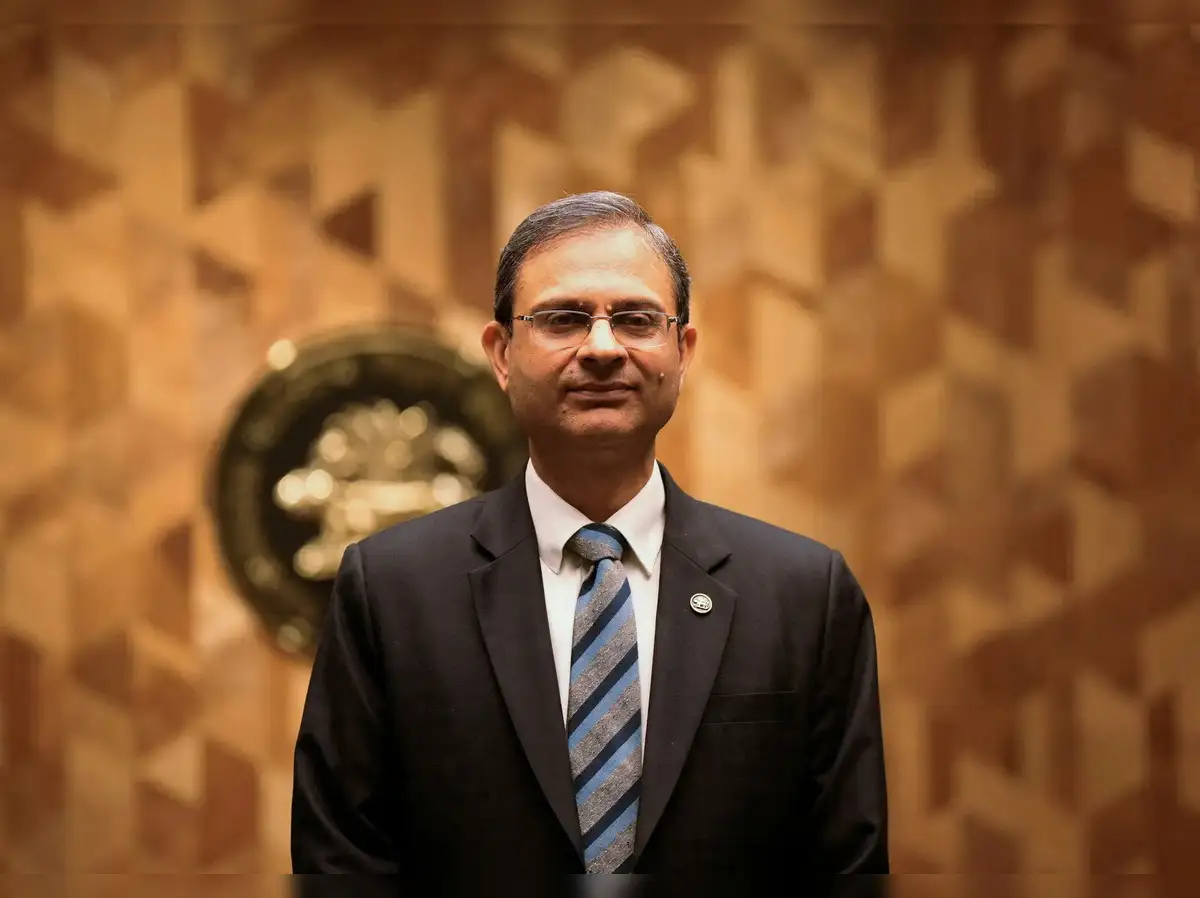
MUMBAI: The Reserve Bank of India (RBI) is taking significant steps to enhance the strength and resilience of Indian banks, as highlighted by Governor Sanjay Malhotra during the 12th SBI Banking Economics Conclave. With the banking sector now more robust than it was a decade ago, the RBI is lifting various restrictions, allowing banks to engage more freely in capital market activities and to finance acquisitions. This move is expected to bolster the economy and attract continued foreign investment.
Strengthening Financial Stability
Governor Malhotra emphasized that the RBI’s recent proposals aim to reinforce financial stability while fostering innovation within the banking sector. The central bank has introduced a set of calibrated reforms, which include updating lending norms established in 1999. These reforms raise the limits on loans secured against securities and streamline lending practices to intermediaries. A new loan-to-value framework will link exposure to asset risk, while allowing listed, investment-grade debt to serve as collateral, thereby deepening the bond market.
Additionally, banks will now be permitted to fund acquisitions under strict guidelines, aligning their operations more closely with non-banking financial companies (NBFCs) and bond markets. Malhotra noted that acquisition financing is a crucial aspect of a developed financial system, facilitating better allocation of resources and ultimately benefiting the real economy.
Adapting to Global Challenges
The RBI’s reforms, announced in its October 2025 monetary policy, are seen as proactive measures to mitigate the effects of global uncertainties, including U.S. tariffs and sanctions. Malhotra articulated the rationale behind these reforms, stating that while risk is inherent in financial activities, safety can be achieved through calculated risks. He quoted Shakespeare to underline this point, suggesting that navigating risks wisely can lead to greater safety in financial operations.
To ensure that these reforms do not lead to reckless behavior, the RBI has established sufficient guardrails. For instance, external commercial borrowings (ECBs) in the real estate sector will only be allowed for foreign direct investment-compliant projects, explicitly prohibiting speculative activities such as land trading.
Robust Banking Sector
Malhotra highlighted the significant improvements in the banking sector over the past decade. He reported that credit and deposits have nearly tripled, and capital buffers have strengthened considerably. The Capital to Risk-Weighted Assets Ratio (CRAR) has improved by approximately 4% from 2015 to 2025, while the Common Equity Tier 1 (CET1) ratio has risen from 10.43% to 14.73%. These enhancements reflect a more mature banking environment, capable of withstanding economic pressures.
The governor also pointed out that the Indian economy has demonstrated remarkable resilience, continuing to grow steadily and attract investments despite global economic challenges. He expressed confidence that the supportive environment will further empower banks to contribute positively to the economy.
Future Outlook
Looking ahead, the RBI remains optimistic about the continued strength of foreign capital flows through external commercial borrowings and deposits for the remainder of the year. The reforms introduced are designed not only to enhance the operational capabilities of banks but also to ensure that they can effectively respond to evolving market conditions. With a stronger banking sector, the RBI aims to facilitate a more dynamic and innovative financial landscape that supports sustainable economic growth in India.
Observer Voice is the one stop site for National, International news, Sports, Editor’s Choice, Art/culture contents, Quotes and much more. We also cover historical contents. Historical contents includes World History, Indian History, and what happened today. The website also covers Entertainment across the India and World.

