

China’s Rare Earths Strategy: Implications for Trump’s Plans to Roll Back Restrictions

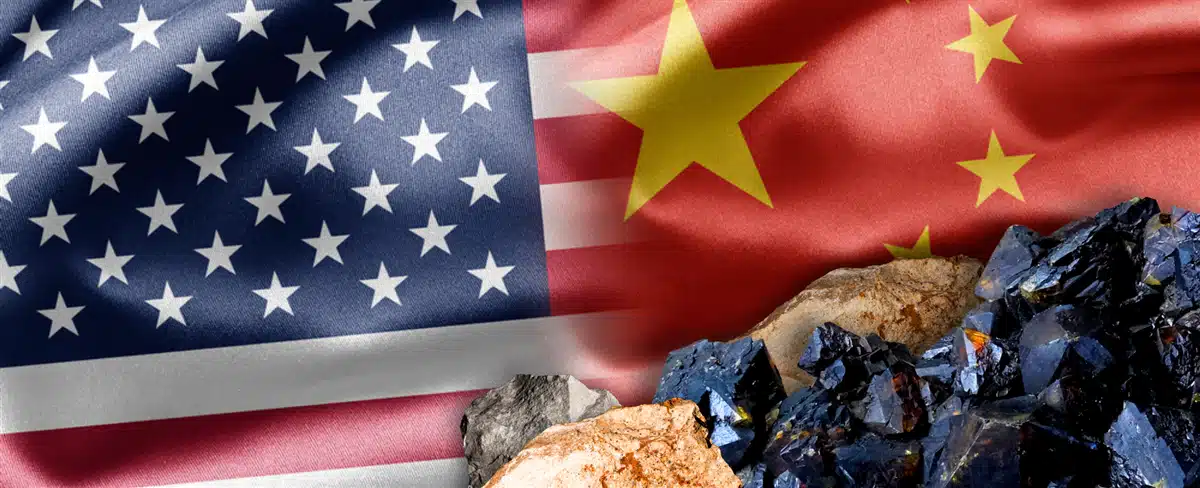
China is set to implement a new licensing system aimed at streamlining the export process for rare earth materials. This initiative comes amid ongoing trade tensions with the United States, particularly following restrictions imposed earlier this year. While the new permits promise to simplify the application process, they do not indicate a complete rollback of existing export controls, which have raised concerns among manufacturers reliant on these critical materials.
New Licensing System Introduced
The Chinese Ministry of Commerce has announced a new licensing framework that will allow exporters to apply for permits through a more efficient process. Sources familiar with recent briefings revealed that exporters will need to submit specific paperwork once the new system is operational. This move is seen as an effort to facilitate quicker exports of rare earth elements, which are essential for various high-tech applications, including electric vehicles and military technology. Despite this positive development, there is no indication that China plans to lift the restrictions that were put in place in April, which have significantly impacted supply chains and alarmed manufacturers.
The new licensing system follows a recent agreement between U.S. President Donald Trump and Chinese President Xi Jinping, where China agreed to pause certain export restrictions for a year. However, the broader set of controls introduced earlier this year remains unaddressed by Beijing, leaving many in the industry apprehensive about the future of rare earth exports. The U.S. government has characterized the forthcoming permits as a significant breakthrough, suggesting that they could effectively end the existing export controls. However, insiders caution that the finalization of this new licensing structure may take several months.
Impact on Exporters and Supply Chains
The anticipated new permits are expected to be valid for one year and may allow exporters to ship larger quantities of rare earth materials. Companies are already preparing by gathering necessary documentation, while customers will need to provide more detailed information about their shipments. Despite these improvements, some Chinese rare earth producers have reported a lack of communication regarding the changes, leading to uncertainty in the market.
The current export regime, which was tightened in October, requires companies to obtain approval for each shipment. This system has faced criticism from international buyers, who argue that it has severely delayed deliveries and caused supply shortages. In May, the restrictions led to temporary shutdowns at automotive manufacturing facilities, highlighting the critical nature of these materials in various industries. Since April, European Union companies have submitted around 2,000 applications for export permits, but only slightly more than half have been approved, further illustrating the challenges faced by exporters.
Challenges Ahead for Sensitive Sectors
While the new licensing system aims to ease some of the burdens on exporters, challenges remain, particularly for companies linked to sensitive sectors such as defense. Industry insiders have indicated that obtaining licenses may still prove difficult for these customers, despite the streamlined process. The existing export controls have already created significant hurdles, and many in the industry are concerned that the new system may not fully alleviate these issues.
As the situation develops, further clarification on the new licensing process is expected before the end of the year. However, the uncertainty surrounding the broader export controls continues to loom large over the rare earth market. Manufacturers and exporters alike are watching closely to see how these changes will unfold and what impact they will have on supply chains and production capabilities in the coming months.
Observer Voice is the one stop site for National, International news, Sports, Editor’s Choice, Art/culture contents, Quotes and much more. We also cover historical contents. Historical contents includes World History, Indian History, and what happened today. The website also covers Entertainment across the India and World.

