

India and EU Conclude 14th Round of FTA Negotiations, Aim to Finalize Trade Deal

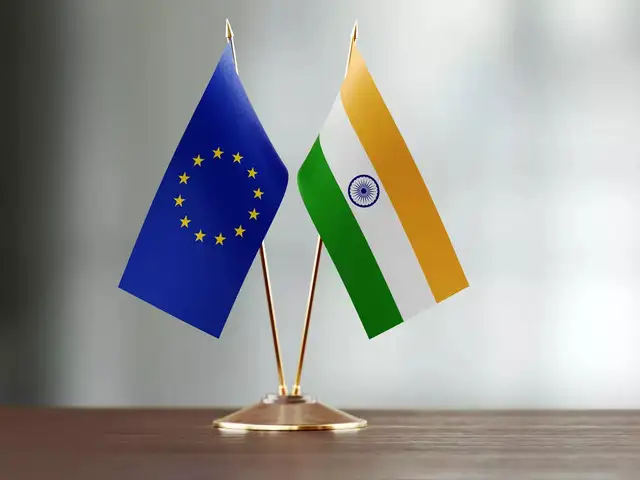
India and the European Union (EU) have made significant strides in their negotiations for a free trade agreement (FTA), concluding the 14th round of discussions in Brussels. The five-day talks, which began on October 6, aimed to address outstanding issues and pave the way for a potential agreement by the end of the year. With Indian Commerce Secretary Rajesh Agrawal joining the negotiations, both sides are optimistic about finalizing the deal soon, as they work to bridge gaps in trade in goods and services.
Progress in Negotiations
The recent round of negotiations focused on narrowing differences in key areas of trade. Indian negotiators, bolstered by the presence of Commerce Secretary Rajesh Agrawal, engaged in discussions with EU officials, including Sabine Weyand, the Director General for Trade at the European Commission. This collaboration is seen as a crucial step in accelerating the long-awaited trade pact. Commerce and Industry Minister Piyush Goyal expressed optimism about the potential for a swift conclusion to the negotiations, indicating that he plans to visit Brussels for a high-level review with his EU counterpart, Maros Sefcovic.
Both India and the EU have set an ambitious target to finalize the agreement by December. The negotiations for this comprehensive trade pact were relaunched in June 2022 after a hiatus of over eight years, which had been prompted by significant disagreements regarding market access and tariff liberalization. The renewed discussions reflect a mutual interest in enhancing trade relations.
Key Areas of Focus
The EU has emphasized the need for deeper tariff reductions in various sectors, including automobiles and medical devices. Additionally, the bloc seeks to lower duties on products such as wine, spirits, meat, and poultry. A stronger intellectual property framework is also a priority for the EU as part of the agreement. For India, the proposed trade pact presents an opportunity to enhance the competitiveness of key export categories, including ready-made garments, pharmaceuticals, steel, petroleum products, and electrical machinery in the European market.
The negotiations encompass 23 policy chapters, addressing a wide range of topics such as trade in goods and services, investment protection, sanitary and phytosanitary standards, technical barriers to trade, rules of origin, customs procedures, competition, trade defense, government procurement, dispute resolution, geographical indications, and sustainable development. This comprehensive approach aims to create a robust framework for future trade relations between India and the EU.
Current Trade Landscape
As of the 2024-25 fiscal year, India’s bilateral trade in goods with the EU reached $136.53 billion, with exports totaling $75.85 billion and imports valued at $60.68 billion. This makes the EU India’s largest trading partner for goods. The EU accounts for nearly 17 percent of India’s total exports, while India represents around 9 percent of the EU’s overall exports to global markets. Furthermore, bilateral trade in services between the two partners was estimated at $51.45 billion in 2023, highlighting the significance of this economic relationship.
The ongoing negotiations and the potential FTA are expected to further strengthen the trade ties between India and the EU, fostering economic growth and cooperation in various sectors. As both sides work diligently to resolve outstanding issues, the prospect of a finalized agreement by the end of the year remains a key focus for negotiators.
Observer Voice is the one stop site for National, International news, Sports, Editor’s Choice, Art/culture contents, Quotes and much more. We also cover historical contents. Historical contents includes World History, Indian History, and what happened today. The website also covers Entertainment across the India and World.

