

Trump Considers Doubling Tariffs on Chinese Imports Amid Ongoing Trade Tensions

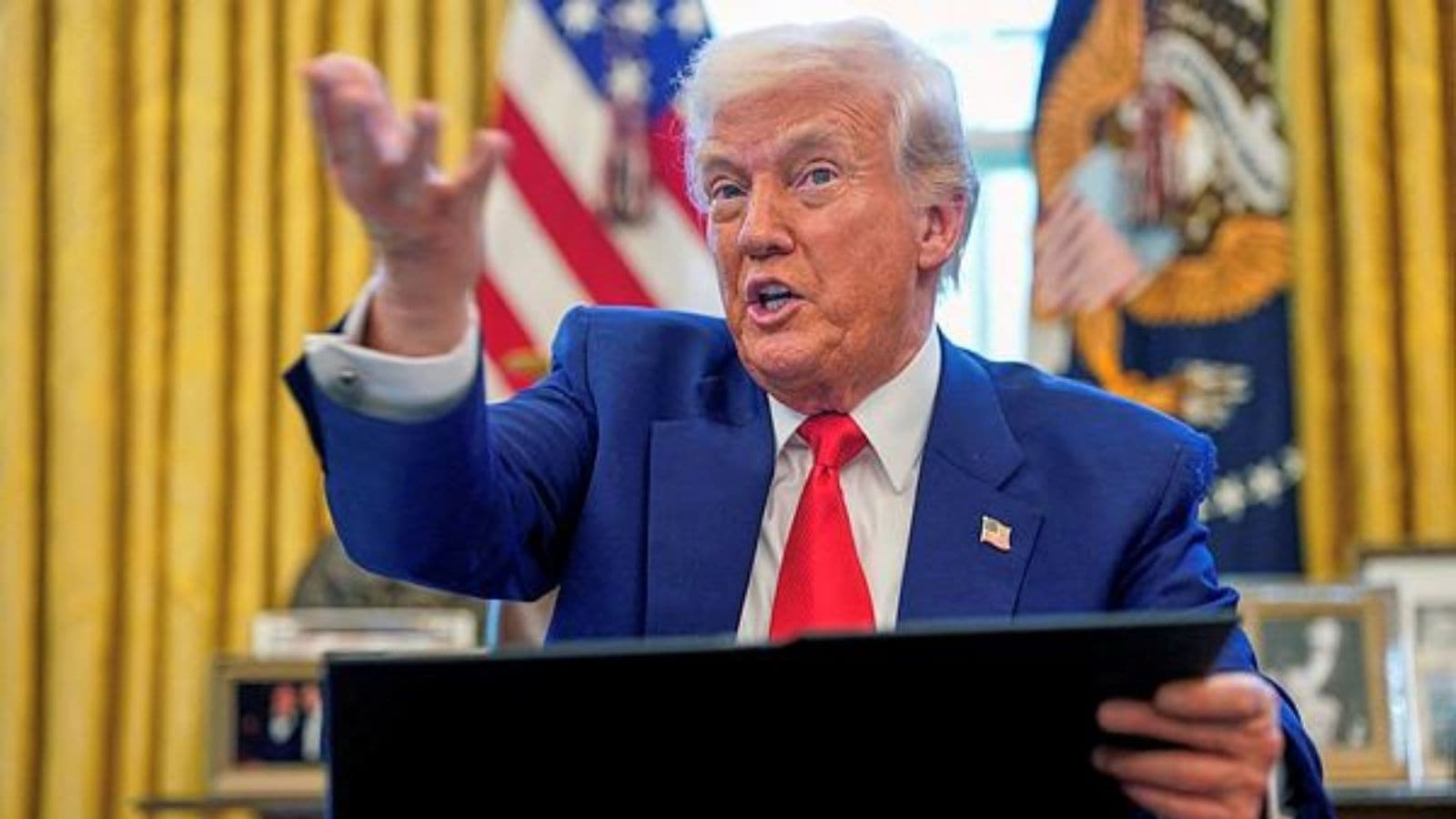
President Donald Trump has issued a stark warning regarding his upcoming meeting with Chinese President Xi Jinping, suggesting he may withdraw from the anticipated summit. This escalation in trade tensions follows China’s recent decision to tighten export regulations on rare earth materials, prompting Trump to accuse Beijing of hostility and threatening to impose additional tariffs on Chinese goods. The announcement has already impacted financial markets, causing a significant drop in U.S. stock prices.
Trump’s Threats and Market Reactions
In a recent social media post, President Trump expressed his discontent with China’s new export controls on rare earths, which are crucial for various industries, including automotive and technology. He stated that he sees “no reason” to meet with President Xi later this month and threatened to impose a 100% tariff on Chinese imports, along with new export controls on essential software. These measures are set to take effect on November 1. Following Trump’s remarks, the S&P 500 index experienced a sharp decline, closing down 2.7%, marking its most significant drop since April. This reaction underscores the market’s sensitivity to developments in U.S.-China trade relations.
China’s dominance in the production of rare earth materials has raised concerns among U.S. companies, particularly after previous instances where tightened export controls led to production halts, such as Ford’s temporary shutdown earlier this year. The recent escalation in trade tensions has also seen China initiate a monopoly investigation into Qualcomm, a major U.S. tech firm, which could hinder its acquisition of another chipmaker. Additionally, Beijing plans to impose new port fees on vessels linked to U.S. interests, further straining the relationship between the two nations.
Historical Context of U.S.-China Trade Relations
The trade relationship between the U.S. and China has been characterized by volatility, with both sides engaging in a series of tariff escalations and negotiations. Since May, there has been a fragile détente, with both countries agreeing to reduce some tariffs that had previously stifled trade. However, the current situation has reignited fears of a return to a more confrontational stance. U.S. tariffs on Chinese goods have increased significantly, with an additional 30% levy imposed since the beginning of the year, while Chinese goods entering the U.S. now face a new 10% tariff.
Officials from both countries have been in discussions regarding various issues, including technology transfers, agricultural purchases, and rare earth trade. The upcoming summit in South Korea was expected to provide a platform for further dialogue, but Trump’s recent threats cast doubt on the likelihood of productive discussions. The ongoing tensions highlight the complexities of navigating trade relations between two of the world’s largest economies.
China’s Strategic Moves and Implications
Experts suggest that China’s recent actions, including the tightening of rare earth export rules, are strategic moves aimed at influencing the upcoming talks with the U.S. Jonathan Czin, a China expert at the Brookings Institution, noted that these measures are designed to assert China’s position ahead of negotiations. He indicated that China may not be overly concerned about potential U.S. retaliation, viewing the trade dynamics as a game of strategic maneuvering.
Gracelin Baskaran, director of the critical minerals security program at the Center for Strategic and International Studies, emphasized the seriousness of China’s new export rules, particularly as they target overseas defense manufacturers. She noted that such actions could compel the U.S. to negotiate, given the limited options available in an increasingly tense geopolitical landscape. While the prospect of a Trump-Xi meeting appears uncertain, Baskaran believes there remains an opportunity for negotiations, as the new rules do not take effect until December.
Future Prospects for U.S.-China Relations
As the situation evolves, the potential for future negotiations remains a topic of discussion among experts. The recent trade tensions have underscored the delicate balance both nations must maintain to avoid further escalation. While Trump’s threats may complicate the diplomatic landscape, the possibility of talks is not entirely off the table. The coming weeks will be crucial in determining how both countries navigate this complex relationship, especially as they face pressing economic and strategic challenges. Source link
Observer Voice is the one stop site for National, International news, Sports, Editor’s Choice, Art/culture contents, Quotes and much more. We also cover historical contents. Historical contents includes World History, Indian History, and what happened today. The website also covers Entertainment across the India and World.

