

US Dollar Decline: Exploring Record-Breaking Gold Prices as a Reliable Safe-Haven Asset

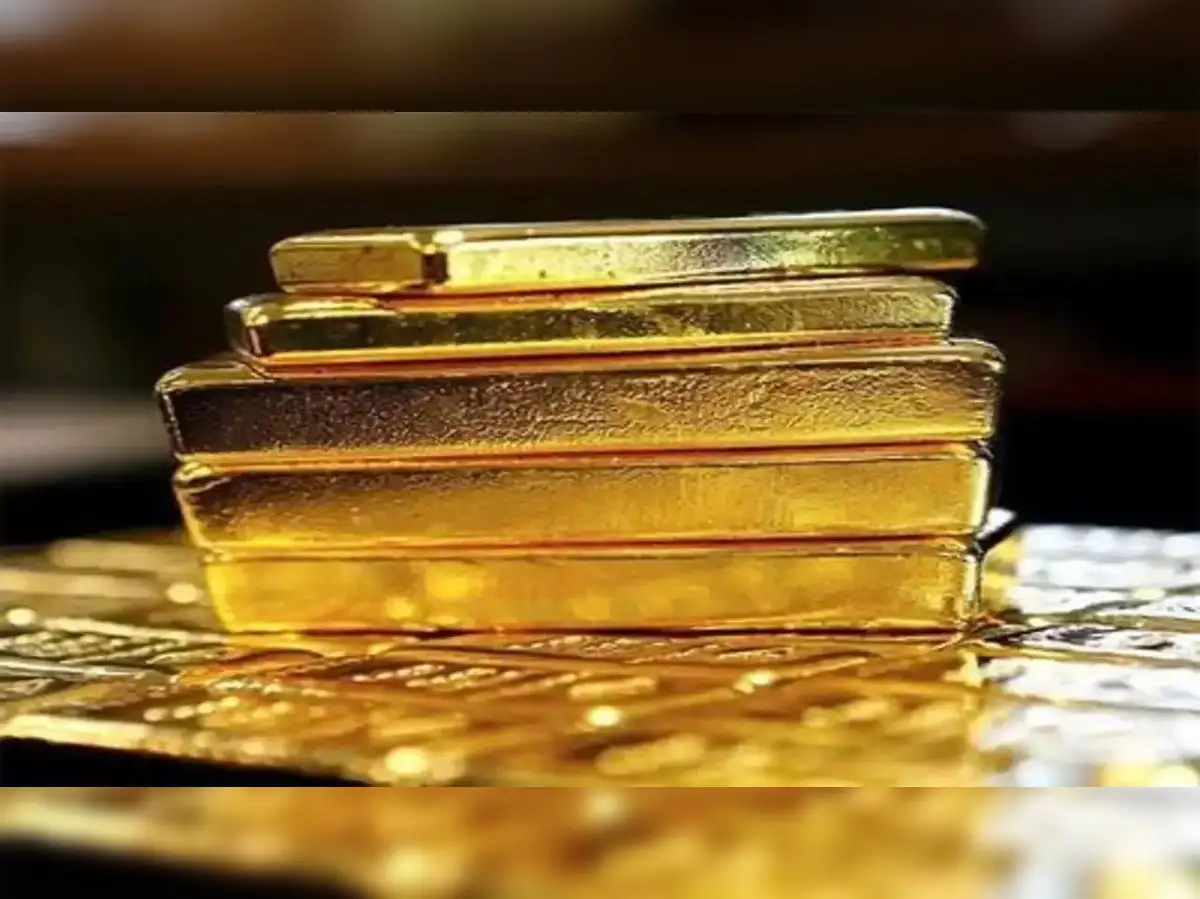
Gold prices have reached unprecedented heights, surpassing $4,000 per ounce in international markets this week. This surge is attributed to growing concerns about the U.S. economy, including fears of a government shutdown and potential overvaluation in the technology sector. As central banks globally increase their gold reserves, investors are flocking to this traditional safe haven, marking a significant shift in market dynamics.
Gold’s Staggering Rally in Numbers
Gold has experienced a remarkable ascent, breaking through the $4,000 mark, a significant milestone considering it was below $2,000 just two years ago. This year alone, the precious metal has surged over 50%, driven by worries surrounding trade, the autonomy of the U.S. Federal Reserve, and the overall fiscal health of the United States. According to Bloomberg, gold is on track for its most substantial annual gains since the 1970s, a decade marked by rapid inflation and the end of the gold standard, which saw the metal’s value multiply dramatically.
The current rally is particularly notable as it has unfolded without a financial crisis, with futures prices rising by 52% this year. This increase is set to outpace similar gains observed during the initial year of the COVID-19 pandemic and the economic downturn from 2007 to 2009, second only to the inflationary surge of 1979. Additionally, exchange-traded funds (ETFs) linked to gold have seen a significant influx of investments, with September marking the highest monthly inflow in over three years. In the Indian market, gold prices have also crossed the ₹1.2 lakh mark on the MCX futures, reflecting a year-to-date return of 60.41%, further supported by a weaker Indian currency.
What’s Causing the Gold Price Rally?
The surge in gold prices can be attributed to a growing trend among investors who are increasingly concerned about the stability of major currencies, particularly the U.S. dollar. This shift has led many to seek alternative assets like gold and bitcoin, a phenomenon financial analysts refer to as the “debasement trade.” Experts suggest that the rising government borrowing and persistent inflation levels are contributing to uncertainty regarding the stability of currencies that underpin international financial markets.
Historically, gold prices tend to rise during periods of economic and political uncertainty. The metal surpassed $1,000 per ounce following the global financial crisis, reached $2,000 during the COVID-19 pandemic, and exceeded $3,000 in response to tariff policies from the Trump administration. The current rise to over $4,000 coincides with various factors, including tensions between U.S. President Donald Trump and the Federal Reserve, which have raised concerns about the central bank’s independence. Furthermore, central banks worldwide have shifted from being net sellers to net buyers of gold, significantly contributing to the ongoing rally.
Central Banks’ Role in the Gold Surge
Central banks have played a crucial role in the recent surge in gold prices. Following the freezing of Russia’s foreign-exchange reserves by the U.S. and its allies in 2022, many central banks have sought to diversify their portfolios, leading to a doubling of gold purchases. This trend has been fueled by inflation concerns and potential changes in U.S. policies regarding foreign creditors. Additionally, rising geopolitical tensions have heightened interest in safe-haven investments, prompting central banks to maintain robust gold purchasing activities.
The current surge in gold prices is further intensified by investor apprehensions regarding possible market disruptions amid the ongoing budget standoff in Washington. The Federal Reserve’s shift towards monetary easing has also favored gold, an asset that does not generate interest. As investors seek to protect themselves against economic uncertainties, the demand for gold continues to grow.
Future Outlook for Gold Prices
Looking ahead, Goldman Sachs has revised its gold price projection for December 2026 to $4,900 per ounce, up from a previous estimate of $4,300. The bank emphasizes that gold remains a valuable asset, independent of institutional confidence. While analysts anticipate continued price increases driven by central bank acquisitions, historical data from Bank of America indicates that prolonged periods of gold price appreciation are often followed by significant declines.
Billionaire investor Ray Dalio has highlighted gold’s reliability as a safe-haven asset compared to the U.S. dollar, drawing parallels between the current market conditions and those of the 1970s. Analysts from Macquarie Bank have noted that gold’s performance is likely to peak during times of heightened concern regarding the Federal Reserve’s independence. As market conditions evolve, expectations suggest that gold prices may continue to rise, potentially reaching levels between $4,105 and $4,150 per ounce in the short term, particularly if the U.S. government shutdown remains unresolved.
Observer Voice is the one stop site for National, International news, Sports, Editor’s Choice, Art/culture contents, Quotes and much more. We also cover historical contents. Historical contents includes World History, Indian History, and what happened today. The website also covers Entertainment across the India and World.
Follow Us on Twitter, Instagram, Facebook, & LinkedIn

