

US Strategies to Maintain Gulf Crude Flow Amid Iran’s Hormuz Blockade

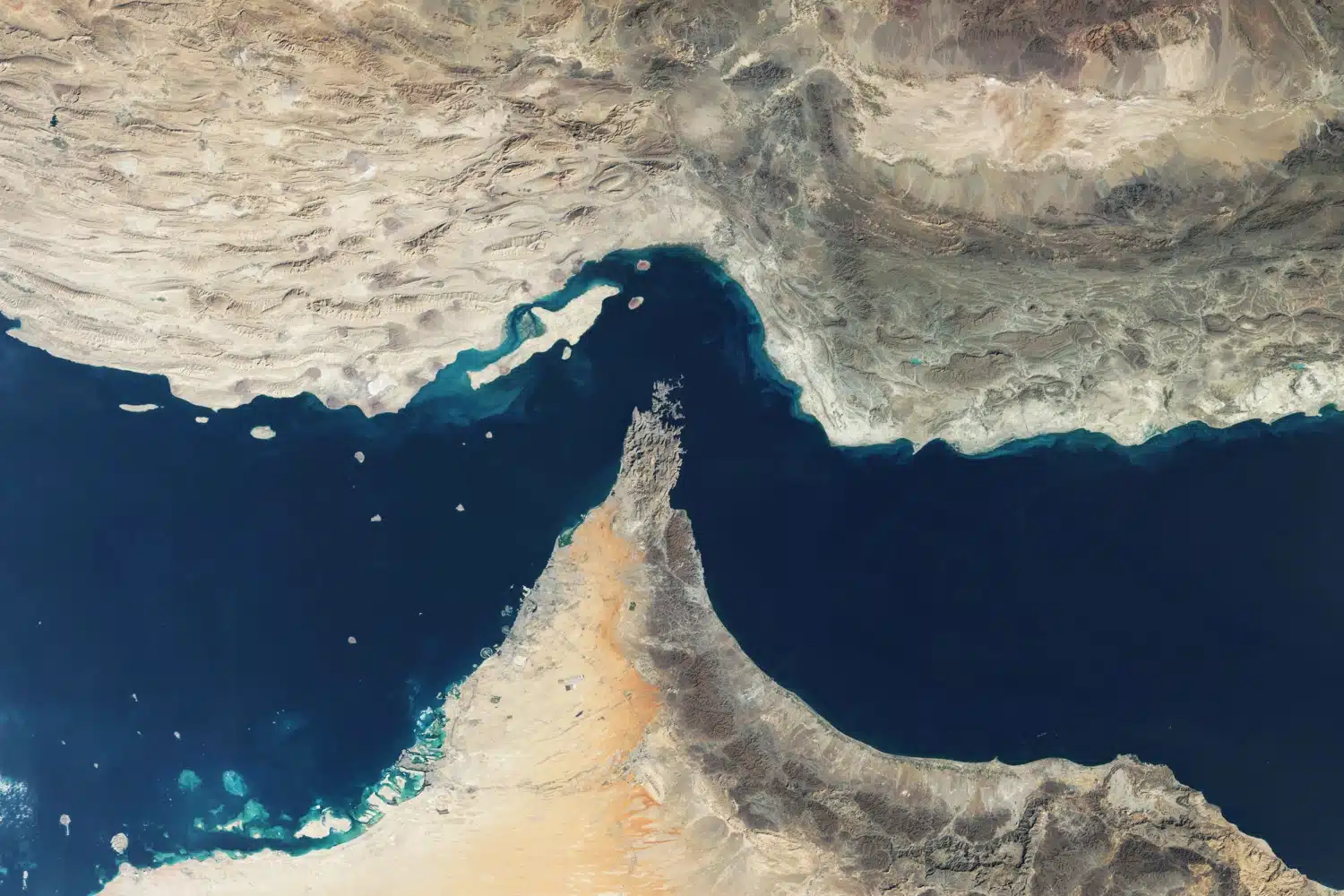
Middle East tensions have disrupted one of the world’s busiest oil pipelines for over 100 days, impacting global economies. In response to declining energy shipments, the United States has implemented a covert operation to facilitate oil transfers in the Gulf. This initiative, overseen by the U.S. military, employs a method traditionally associated with Iran’s sanctions evasion tactics.
How US Kept Oil Flowing
The operation commenced in early May, utilizing smaller tankers to transport oil through the Strait of Hormuz before transferring it to larger vessels offshore. These transfers occur at two main hubs: Fujairah in the United Arab Emirates and near Oman’s port of Sohar. Since the operation began, at least 116 vessels have participated in these transfers. Tankers gather at designated points before entering the strait, departing in staggered formations to maintain safe distances. Some vessels reportedly turn off their transponders and dim their lights during transit to avoid detection.
The U.S. military monitors the ships through a series of checkpoints. After navigating the strait and moving beyond Iranian territorial claims, smaller tankers dock with larger Very Large Crude Carriers (VLCCs) for oil transfer, which takes between 24 and 40 hours. Once emptied, the smaller tankers return through the strait, while the fully loaded VLCCs proceed to international markets. Participation in this operation requires shipping companies to undergo compliance checks and submit information to the U.S. Navy’s Naval Cooperation and Guidance for Shipping office in Bahrain.
Operation by the Numbers: Vessels, Risks and More
As of Tuesday morning, satellite imagery revealed 12 pairs of ships engaged in oil transfers in the Gulf of Oman, with eight pairs near Sohar and four near Fujairah. The operation peaked on June 11, with 17 pairs of ships conducting simultaneous transfers. Details about the operation, including the involvement of an Apache helicopter shot down by Iran on June 9, remain largely unreported. Satellite images indicated six pairs of tankers near Sohar on the day of the incident.
Reuters analyzed satellite images from May 2 to June 11, showing transfers involving both Gulf state-owned and internationally operated vessels. Shipping data indicated that at least 90 million barrels of crude oil and petroleum products may have been transported through this offshore network since early May. This figure is significantly lower than the approximately 20 million barrels that typically pass through the Strait of Hormuz daily. However, the operation carries inherent risks, including increased chances of collisions as vessels navigate at night without lights. Iran’s blockade of the strait has created what is described as the largest global energy supply shock in history, contributing to rising inflation worldwide.
Observer Voice is the one stop site for National, International news, Sports, Editor’s Choice, Art/culture contents, Quotes and much more. We also cover historical contents. Historical contents includes World History, Indian History, and what happened today. The website also covers Entertainment across the India and World.
Follow Us on Twitter, Instagram, Facebook, & LinkedIn

