

US Decision on Sanctions Waiver for Russian and Iranian Oil: Implications for Indian Companies

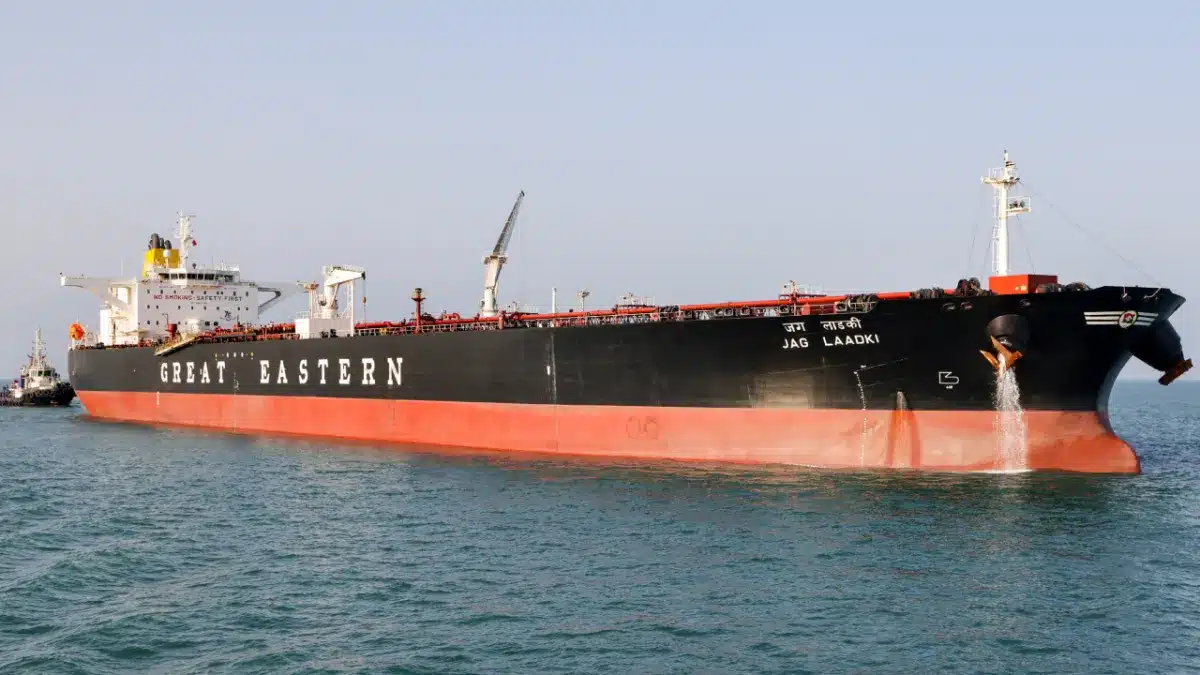
The United States has announced it will not extend the temporary waiver that permitted the sale of Russian and Iranian oil already at sea. This decision, articulated by U.S. Treasury Secretary Scott Bessent, raises significant concerns about how countries reliant on these supplies will adapt amid ongoing disruptions in global energy markets due to the conflict in the Middle East. The expiration of these waivers signals a return to stricter enforcement of U.S. sanctions against both Russia and Iran.
Impact of the Waiver on Global Oil Supply
The temporary waivers, introduced in March, were designed to alleviate the strain on global oil supplies caused by the ongoing conflict in the Middle East. These waivers allowed countries to purchase Russian crude oil loaded before March 12 and Iranian oil loaded before March 20, providing a crucial lifeline for nations grappling with energy shortages. However, with the expiration of these waivers, countries that depended on these oil supplies must now reassess their energy strategies. Bessent emphasized that the U.S. is prepared to impose secondary sanctions on nations purchasing Iranian oil or holding Iranian funds, further tightening the noose around these energy markets. The decision not to renew the waivers comes at a time when energy supplies are already under pressure, raising questions about how countries will secure their energy needs moving forward.
India’s Reliance on Russian and Iranian Oil
For India, the temporary waivers provided a critical opportunity to secure oil supplies amid its heavy reliance on imports. During the waiver period, Indian refiners ordered approximately 60 million barrels of Russian crude, a significant increase following earlier reductions due to sanctions. The waivers allowed India to import Iranian crude for the first time in seven years, with nearly 4 million barrels arriving before the deadline. The urgency of these imports was underscored by the ongoing disruptions in global oil flows, particularly following military actions in the Middle East. Notably, tankers carrying Iranian oil successfully unloaded at Indian ports, despite being under U.S. sanctions. With the waivers now expired, India faces the challenge of navigating a more complex energy landscape, as it seeks to balance its energy security with compliance to international sanctions.
Future Challenges for India’s Energy Strategy
The expiration of the waivers poses significant challenges for India’s energy strategy. While the country managed to secure substantial oil supplies during the waiver period, it must now adapt to a landscape where access to Russian and Iranian oil is restricted. In March, India’s crude imports from Russia surged to nearly $6.2 billion, a stark contrast to the $1.6 billion recorded in the previous month. Despite an overall decline in total crude imports, Russian oil purchases quadrupled, highlighting India’s growing dependence on these sources. As the country grapples with the end of the waivers, it is also looking to enhance its energy independence by investing in green energy, nuclear power, and thermal generation. This shift aims to reduce reliance on imported oil and gas, ensuring that India’s energy needs are met in the face of ongoing global disruptions.
Global Energy Market Dynamics
The broader implications of the U.S. decision extend beyond India, impacting global energy markets already strained by geopolitical tensions. The conflict in the Middle East has led to significant disruptions in oil supply chains, particularly through critical chokepoints like the Strait of Hormuz, which handles about 20% of the world’s energy supply. The U.S. and Israel’s military actions against Iran have exacerbated these tensions, prompting countries to reevaluate their energy consumption and sourcing strategies. As nations navigate these complexities, the focus on securing stable and reliable energy supplies will remain paramount, particularly in light of the recent sanctions and the ongoing volatility in global oil markets.
Observer Voice is the one stop site for National, International news, Sports, Editor’s Choice, Art/culture contents, Quotes and much more. We also cover historical contents. Historical contents includes World History, Indian History, and what happened today. The website also covers Entertainment across the India and World.
Follow Us on Twitter, Instagram, Facebook, & LinkedIn

