

Security Council Calls for Progress on Libya’s Political Road Map and Cessation of Foreign Interference

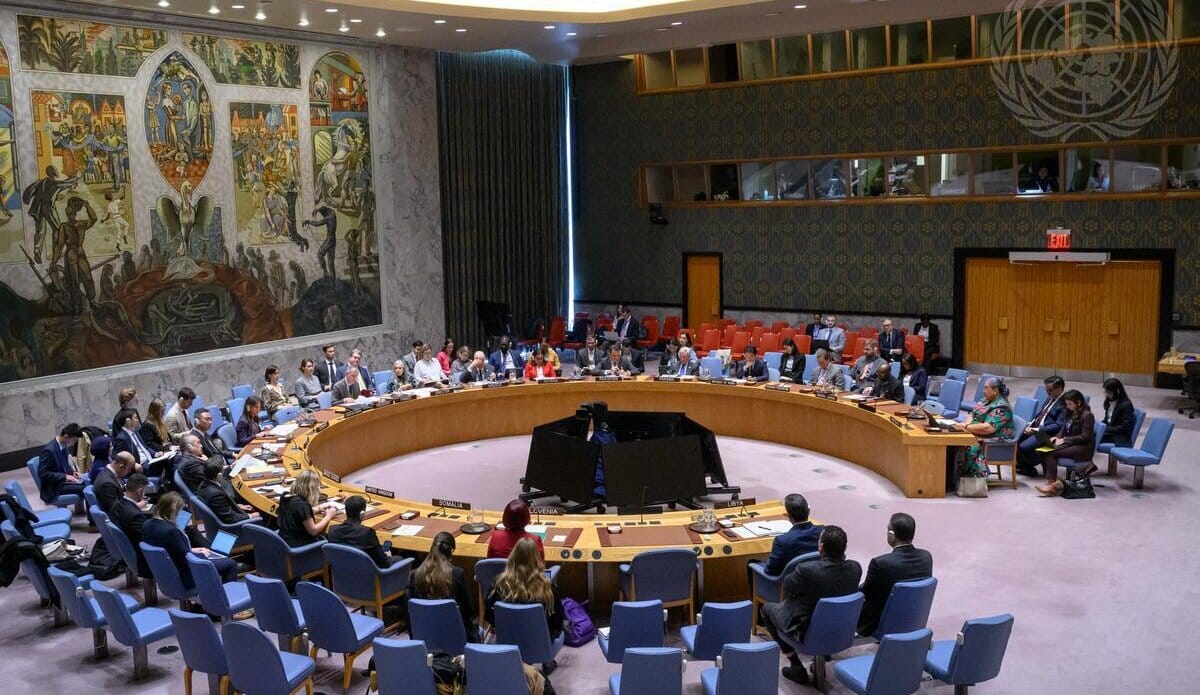
Libya’s journey towards holding elections is mired in significant challenges, according to the Chief of the UN Mission in the country. Hanna Serwaa Tetteh, the Special Representative of the Secretary-General for Libya, highlighted the difficulties in implementing the political roadmap presented to the UN Security Council in August. Despite some progress, including the agreement to reconstitute the High National Election Commission, key tasks remain unfulfilled, raising concerns about the political process being stalled by inaction among influential stakeholders.
Challenges in the Political Roadmap
The political landscape in Libya remains complex and fraught with obstacles. Tetteh pointed out that the implementation of the political roadmap has proven to be quite challenging. Although there was an agreement between the House of Representatives and the High Council of State to reconstitute the High National Election Commission, this agreement has yet to materialize despite numerous discussions. Additionally, the amendment of the constitutional and legal framework necessary for elections has not been addressed. Tetteh emphasized the urgency of holding presidential elections, noting public demonstrations in five cities calling for action. She warned that if the two institutions fail to meet the initial milestones of the roadmap, she would consider seeking alternative mechanisms to facilitate the electoral process.
In December, UNSMIL initiated a structured dialogue in Tripoli aimed at fostering discussions across the country. This dialogue included a diverse group of participants, with women making up 35 percent of attendees, alongside young people and individuals with disabilities. The successful municipal elections held on October 18, which saw a voter turnout of 68 percent, were described as a positive step towards restoring local governance legitimacy. However, Tetteh acknowledged that Libya’s ongoing financial fragmentation continues to undermine the national currency, the dinar.
International Oversight and Sanctions
The Security Council’s Sanctions Committee, which monitors the arms embargo and other sanctions against Libya, reported on its activities from August to December. The committee received updates on vessel inspections conducted by the European Union’s Operation IRINI and Spain. It also approved a humanitarian exemption for one individual in response to a request from Libya, although a delisting request for another individual was denied. The committee reported no adverse decisions regarding notifications related to the Libyan Investment Authority.
The representative of Somalia, who chairs the committee, noted that several requests concerning asset freezes are still under consideration. The committee has communicated with Libya about the status of these requests and will guide member states on the reinvestment of frozen cash reserves. The ongoing challenges surrounding Libya’s frozen assets have drawn attention, with calls for accountability and transparency in their management.
Calls for National Sovereignty and Stability
During the meeting, Libya’s delegate urged Security Council members to take the delisting of Libyan citizens from sanctions lists more seriously, arguing that many have been on these lists for over 15 years without justification. He expressed disappointment that the upcoming Independence Day on December 24, which was meant to celebrate the general elections initially planned for 2021, will instead highlight the ongoing political crisis. He warned against the accumulation of various roadmaps and piecemeal solutions, asserting that Libyans are suffering due to global power struggles.
The delegate emphasized the need for a unified approach to reconstitute the High National Elections Commission and suggested exploring alternative solutions to hold elections if delays continue. He highlighted the successful municipal elections as evidence of Libya’s readiness for broader electoral processes. Additionally, he called for international support in stabilizing Libya, asserting that the country’s stability is crucial for the entire region.
Concerns Over Foreign Interference and Asset Management
Several representatives at the meeting voiced concerns about the ongoing instability in Libya, exacerbated by external interference and the flow of arms into the country. They called for the immediate withdrawal of foreign forces and mercenaries. The representative of Algeria, speaking on behalf of several countries, highlighted the negative impact of illicit arms trafficking on local armed groups and regional conflicts.
Concerns were also raised regarding the management of Libya’s frozen assets, with calls for accountability and reparations for mismanagement. The Russian Federation’s delegate noted that the issue of frozen assets is becoming increasingly urgent, as they are at risk of being exploited by unscrupulous financial actors. The need for the Security Council to facilitate the reinvestment of these assets was echoed by multiple representatives, emphasizing that these resources belong to the Libyan people.
As the international community continues to monitor the situation in Libya, there is a collective call for constructive engagement from Libyan political actors to adhere to the roadmap proposed by UNSMIL and to consolidate security gains. The representatives underscored the importance of ensuring that diverse voices, particularly those of women and youth, are included in the national dialogue to shape Libya’s future.
Observer Voice is the one stop site for National, International news, Sports, Editor’s Choice, Art/culture contents, Quotes and much more. We also cover historical contents. Historical contents includes World History, Indian History, and what happened today. The website also covers Entertainment across the India and World.

