

Measles: The Highly Contagious Disease We Can Prevent
A Vaccine-Preventable Killer That Still Claims Lives

Imagine a disease so contagious that if one person has it in a room, 90% of unvaccinated people nearby will catch it. A disease that was once a leading killer of children worldwide but can be completely prevented with a safe, effective vaccine costing less than a dollar. This disease is measles, and despite having the tools to eliminate it, measles still killed an estimated 136,000 people in 2022—mostly children under five years old.
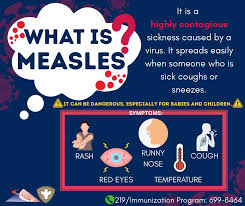
Measles is a highly contagious viral disease that spreads through the air when an infected person coughs or sneezes. According to the World Health Organization, measles remains one of the leading causes of death among young children globally, despite the availability of a safe and cost-effective vaccine. Before widespread vaccination began in 1963, measles caused approximately 2.6 million deaths each year worldwide.
Understanding the Measles Virus
Measles is caused by a virus belonging to the Morbillivirus genus. This virus is incredibly contagious—far more transmissible than COVID-19, flu, or most other infectious diseases. The measles virus can remain active in the air or on surfaces for up to two hours after an infected person leaves a room.
When someone with measles breathes, talks, coughs, or sneezes, they release virus particles into the air. Anyone who breathes this contaminated air can become infected. The virus enters through the respiratory tract, multiplies in the cells lining the back of the throat and lungs, then spreads throughout the body via the bloodstream.
An infected person can spread measles from four days before the characteristic rash appears until four days after. This means people can transmit the virus before they even know they’re sick, making measles extremely difficult to contain once it enters communities with low vaccination coverage.
Recognizing the Symptoms
The early symptoms of measles appear about 10-14 days after exposure to the virus. The illness typically progresses through distinct stages:
Initial symptoms include:
- High fever, often reaching 104°F (40°C) or higher
- Cough, runny nose, and red, watery eyes
- Feeling miserable and exhausted
- Small white spots with bluish-white centers inside the mouth (called Koplik’s spots)—a unique sign of measles
The rash stage begins 3-5 days after symptoms start:
- A red, blotchy rash appears, typically starting on the face and upper neck
- The rash spreads downward over three days, eventually reaching the hands and feet
- The rash lasts 5-6 days before fading
- As the rash appears, fever often spikes even higher
Most people recover within 2-3 weeks, but measles can cause serious complications, particularly in young children, malnourished individuals, pregnant women, and people with weakened immune systems.
The Dangerous Complications
Measles isn’t just an uncomfortable rash—it’s a serious disease that can cause severe complications and death. According to WHO, complications occur in about 30% of measles cases and are responsible for most measles-related deaths.
Common complications include:
- Diarrhea: Severe enough to cause dangerous dehydration, especially in young children
- Ear infections: Which can lead to permanent hearing loss
- Pneumonia: The most common cause of measles-related deaths in children
- Blindness: Measles causes approximately 15,000-60,000 cases of blindness annually, particularly in vitamin A-deficient children
Severe complications include:
- Encephalitis: Brain inflammation affecting about 1 in 1,000 cases, causing seizures, deafness, or intellectual disability
- Severe breathing problems: From complications in the lungs
- Subacute sclerosing panencephalitis (SSPE): A rare but fatal brain disease that can occur 7-10 years after measles infection
Measles also causes “immune amnesia”—the virus damages the immune system’s memory, making people more vulnerable to other infections for months or years after recovery. This immune suppression can last 2-3 years, during which children face increased risks from other diseases.
Children with malnutrition, particularly vitamin A deficiency, face much higher risks of severe measles and death. This makes measles particularly deadly in regions where malnutrition is common.
The Miracle of Vaccination
The measles vaccine is one of medicine’s greatest success stories. Since widespread vaccination began, measles deaths have decreased by 73% globally between 2000 and 2018, preventing an estimated 23.2 million deaths.
The measles vaccine is typically given as part of the measles-mumps-rubella (MMR) combination vaccine. WHO recommends two doses:
- First dose at 9-12 months of age (depending on local disease patterns)
- Second dose at 15-18 months or later
Two doses provide approximately 97% protection against measles. One dose alone provides about 93% protection, which is why the second dose is so important for ensuring community immunity.
The vaccine is remarkably safe. Serious side effects are extremely rare—far less common than complications from measles disease itself. Common minor side effects include soreness at the injection site, mild fever, or a mild rash. The benefits of vaccination vastly outweigh any risks.
For the vaccine to protect communities through “herd immunity,” at least 95% of the population must be vaccinated. When vaccination rates drop below this threshold, measles can spread rapidly through unvaccinated populations, as we’ve seen in recent outbreaks worldwide.
Why Measles Outbreaks Still Occur
Despite having an effective vaccine for over 60 years, measles continues causing outbreaks. In 2022, there were an estimated 9 million measles cases and 136,000 deaths globally. Several factors contribute to this ongoing problem:
Inadequate vaccination coverage: Many children, particularly in conflict zones, remote areas, and impoverished communities, never receive even the first dose of measles vaccine. Healthcare system weaknesses, similar to those affecting maternal health services, prevent vaccines from reaching all children.
Vaccine hesitancy: In some wealthy countries, declining vaccination rates due to misinformation about vaccine safety have led to measles resurgences. False claims linking the MMR vaccine to autism—thoroughly debunked by extensive research—continue spreading despite scientific evidence proving vaccines’ safety.
Conflict and displacement: War, natural disasters, and refugee crises disrupt vaccination programs and crowd people into conditions where measles spreads easily. Like other infectious diseases, measles thrives during humanitarian emergencies.
COVID-19 disruptions: The pandemic interrupted routine immunization services worldwide, leaving millions of children without protection. In 2021 alone, 25 million children missed their first measles vaccine dose—the highest number in over a decade.
Poverty and inequality: Children in the poorest communities and countries remain least likely to be vaccinated, perpetuating health inequalities.
Stalled Global Immunization Rates Leave Millions of Children Vulnerable
Progress Toward Elimination
Five WHO regions have set goals to eliminate measles, and substantial progress has been made. The Region of the Americas achieved measles elimination in 2016, though imported cases have since caused small outbreaks.
To eliminate measles, countries must:
- Achieve and maintain ≥95% vaccination coverage with two doses
- Develop strong disease surveillance systems to detect cases quickly
- Respond rapidly to outbreaks with vaccination campaigns
- Ensure laboratory capacity for confirming cases
- Maintain high-quality, equitable healthcare access
Treating Measles
No specific antiviral treatment exists for measles. Treatment focuses on supporting the body while it fights the infection:
- Managing fever with appropriate medications
- Ensuring adequate fluid intake to prevent dehydration
- Treating bacterial complications like pneumonia or ear infections with antibiotics
- Providing vitamin A supplementation, which WHO strongly recommends for all children with measles in areas with vitamin A deficiency—this can reduce measles mortality by 50%
A Disease We Can Defeat
Measles elimination is entirely achievable. We have a safe, effective, and affordable vaccine. We know what needs to be done. What’s required is political commitment, adequate funding, strong health systems, and community engagement to ensure every child receives both vaccine doses.
Every child deserves protection from this potentially deadly but completely preventable disease. When communities achieve high vaccination coverage, they protect not only their own children but also those too young to be vaccinated, those with medical conditions preventing vaccination, and those whose vaccines didn’t provide full protection.
The resurgence of measles in many countries represents a step backward in public health—a failure to protect our children with tools readily available. By strengthening vaccination programs, combating misinformation, and ensuring equitable access to immunization services, we can eliminate measles and prevent needless suffering and deaths.
Measles elimination would represent a triumph of science, public health, and human cooperation—proving that when we work together and trust in evidence-based medicine, we can protect our most vulnerable populations and build healthier communities for everyone.
Frequently Asked Questions (FAQs)
Q1: Can you get measles if you’ve been vaccinated?
While rare, breakthrough infections can occur in vaccinated individuals. Two doses of measles vaccine provide approximately 97% protection—meaning about 3% of vaccinated people might still get measles if exposed. However, vaccinated people who do get measles typically experience milder symptoms with fewer complications. Additionally, vaccination significantly reduces measles transmission. The small risk of breakthrough infection doesn’t diminish the vaccine’s tremendous value in protecting individuals and communities.
Q2: Is measles just a harmless childhood disease?
No, measles is a serious disease with potentially severe complications. Before vaccines, measles killed approximately 2.6 million people annually worldwide—mostly children. Even in wealthy countries with good healthcare, measles causes hospitalization in about 1 in 4 cases, pneumonia in 1 in 20 cases, encephalitis (brain inflammation) in 1 in 1,000 cases, and death in 1-2 per 1,000 cases. Measles is far more dangerous than commonly perceived and is absolutely not a disease children should “just get” to develop immunity naturally.
Q3: How long does immunity from measles vaccination last?
Measles vaccination provides long-lasting, likely lifelong immunity. Studies show that immunity persists for decades, and most vaccinated individuals remain protected throughout their lives. In contrast, immunity from natural infection—while also long-lasting—comes at the cost of risking serious complications and death. The two-dose vaccine schedule provides excellent protection without the dangers of the disease itself.
Q4: Why has measles returned to countries where it was eliminated?
Measles returns when vaccination coverage drops below the 95% threshold needed for community immunity. This can happen due to vaccine hesitancy (often fueled by misinformation), disrupted healthcare services (as during COVID-19), or importation of measles by travelers from areas where the disease still circulates. Once measles enters communities with pockets of unvaccinated individuals, it spreads rapidly due to its extreme contagiousness. Maintaining high vaccination rates is essential even after elimination to prevent such resurgences.
Q5: Can adults get measles, and should they be vaccinated?
Yes, adults can get measles, and the disease can be severe in adults. Adults born before 1957 are generally considered immune due to widespread natural infection before vaccines became available. However, adults born after 1957 who haven’t received two doses of measles vaccine or who haven’t had confirmed measles should be vaccinated, especially if traveling internationally or working in healthcare. Adults who are uncertain about their vaccination status can either receive the vaccine (extra doses are safe) or get a blood test to check immunity.
References
- World Health Organization. (2024). Measles. Retrieved from https://www.who.int/health-topics/measles
- World Health Organization. (2024). Measles – Fact Sheet. Retrieved from https://www.who.int/news-room/fact-sheets/detail/measles
- World Health Organization. (2024). Immunization, Vaccines and Biologicals – Measles. Retrieved from https://www.who.int/teams/immunization-vaccines-and-biologicals/diseases/measles
- World Health Organization. (2023). Measles vaccination coverage. Retrieved from https://www.who.int/data/gho/data/themes/immunization
- Observer Voice. Malnutrition: Causes, Symptoms and Prevention. Retrieved from https://observervoice.com/malnutrition-causes-symptoms-prevention/
Observer Voice is the one stop site for National, International news, Sports, Editor’s Choice, Art/culture contents, Quotes and much more. We also cover historical contents. Historical contents includes World History, Indian History, and what happened today. The website also covers Entertainment across the India and World.

