

Maternal Health: Protecting Mothers and Saving Lives
Every Mother Deserves a Safe Pregnancy and Childbirth

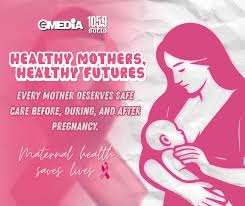
Every day, approximately 800 women die from preventable causes related to pregnancy and childbirth. That’s one mother lost every two minutes. Behind each statistic is a family left devastated, a child who may never know their mother, and a community that has lost a valuable member. Yet the tragedy is that 94% of these deaths occur in low-resource settings and most could be prevented with proper healthcare.
Maternal health refers to the health of women during pregnancy, childbirth, and the postpartum period—the weeks following delivery. According to the World Health Organization, ensuring that every mother receives quality healthcare during this critical time is essential not only for women’s wellbeing but also for the health and survival of their babies and the prosperity of entire communities.
The Journey of Motherhood: Risks at Every Stage
Pregnancy and childbirth are natural processes, but they carry significant health risks. A woman’s body undergoes dramatic changes during pregnancy that can reveal or worsen existing health conditions. Understanding these risks helps us appreciate why maternal healthcare is so crucial.
During Pregnancy: Women need regular antenatal care—medical checkups throughout pregnancy—to monitor both mother and baby’s health. These visits help detect and manage complications like:
- High blood pressure and preeclampsia: Dangerously elevated blood pressure that can cause seizures, organ damage, and death if untreated
- Gestational diabetes: High blood sugar during pregnancy that affects both mother and baby
- Anemia: Low red blood cell counts that cause extreme fatigue and increase bleeding risks during delivery
- Infections: Including malaria, HIV, syphilis, and urinary tract infections that can harm mother and baby
- Complications from previous pregnancies: Such as scarring from cesarean sections or previous pregnancy losses
During Childbirth: Labor and delivery present the highest risk period. Major complications include:
- Severe bleeding (hemorrhage): The leading cause of maternal death, occurring when a woman loses too much blood during or after delivery
- Infections: Bacteria entering the reproductive system during delivery can cause life-threatening sepsis
- Obstructed labor: When the baby cannot pass through the birth canal, potentially requiring emergency cesarean section
- Eclampsia: Seizures related to high blood pressure during pregnancy or delivery
- Complications from unsafe abortion: In places where safe abortion services are unavailable
After Birth: The postpartum period—especially the first 24-48 hours after delivery—remains extremely dangerous. Women need monitoring for postpartum hemorrhage, infections, blood clots, and complications from existing health conditions. New mothers also need support for breastfeeding, mental health, and recovery.
Why Mothers Die: The Underlying Causes
The WHO identifies several factors that contribute to maternal deaths and complications:
Poverty: Poor families cannot afford prenatal care, hospital deliveries, or emergency treatment. Many women work until delivery and return to heavy labor immediately afterward, preventing proper recovery.
Distance from healthcare: In rural areas, women may live hours or days away from hospitals. When complications arise, they cannot reach emergency care in time. Poor roads and lack of transportation compound this problem.
Lack of skilled birth attendants: While trained doctors, nurses, or midwives can manage complications and save lives, many women give birth attended only by family members or traditional birth attendants without medical training. According to WHO, skilled birth attendance is critical for reducing maternal deaths.
Too many pregnancies, too close together: Women who have many children with short intervals between pregnancies face higher risks. Their bodies don’t have time to recover, and pregnancy complications accumulate. Teen mothers and women over 35 also face elevated risks.
Cultural barriers: In some societies, women cannot make decisions about their own healthcare. They need permission from husbands or family members to seek medical care. Son preference may mean families invest less in daughters’ and mothers’ health.
Weak health systems: Even when facilities exist, they may lack essential medicines, blood for transfusions, functioning equipment, or trained staff. Like the health system challenges faced in controlling malaria and malnutrition, maternal health requires strong, well-resourced healthcare infrastructure.
The Inequality of Maternal Death
Maternal mortality reveals stark global inequalities. In 2020, the maternal mortality ratio in low-income countries was 430 deaths per 100,000 live births, compared to just 12 per 100,000 in high-income countries. This means women in poor countries face 36 times higher risk of dying from pregnancy-related causes.
Sub-Saharan Africa accounts for roughly 70% of all maternal deaths, with some countries seeing rates exceeding 1,000 deaths per 100,000 births. In contrast, countries like Norway, Japan, and Singapore have rates below 5 per 100,000. This disparity represents one of the greatest injustices in global health.
Even within countries, inequalities exist. Rural women, poor women, women from marginalized ethnic groups, and young adolescent mothers face significantly higher risks than their urban, wealthy, or older counterparts.
Saving Mothers’ Lives: Proven Solutions
The encouraging news is that we know how to prevent most maternal deaths. The WHO’s strategies for improving maternal health include:
Universal access to reproductive health services: Every woman should be able to plan pregnancies through access to contraception and family planning information. Spacing births at least two years apart significantly reduces maternal health risks.
Quality antenatal care: WHO recommends at least eight prenatal contacts during pregnancy. These checkups identify and manage risk factors, provide essential supplements like iron and folic acid, screen for conditions like HIV and syphilis, and prepare women for safe delivery.
Skilled birth attendance: Every birth should be attended by trained doctors, nurses, or midwives who can manage normal deliveries and recognize when complications require emergency referral. Traditional birth attendants can be trained to work alongside skilled providers.
Emergency obstetric care: Facilities must be equipped to handle emergencies 24/7, with capability for cesarean sections, blood transfusions, and management of severe complications. Functional referral systems ensure women can reach emergency care quickly.
Postnatal care: Mothers and babies need at least four postnatal checkups in the first six weeks after birth. These visits prevent, detect, and treat complications while supporting breastfeeding and providing family planning counseling.
Addressing underlying factors: Educating girls, empowering women, reducing poverty, improving nutrition, and eliminating harmful practices like child marriage all contribute to better maternal health outcomes.
Safe abortion services: Where legal, providing safe abortion and post-abortion care prevents deaths from unsafe procedures, which cause approximately 13% of maternal deaths globally.
Progress and Persistent Challenges
The world has made substantial progress. Between 2000 and 2020, global maternal mortality fell by 34%. Many countries achieved remarkable improvements—Bangladesh, Cambodia, and Rwanda reduced maternal deaths by over 70%. These successes prove that progress is possible even in resource-limited settings.
However, progress has been uneven and slower than needed. The COVID-19 pandemic disrupted maternal health services worldwide, potentially reversing years of gains. Climate change, conflicts, and humanitarian crises continue threatening maternal health. Like efforts to control infectious diseases, maternal health improvements require sustained investment and commitment.
International Women’s Day 2024: invest in women to accelerate progress
The Path Forward
The United Nations’ Sustainable Development Goals target reducing global maternal mortality to less than 70 deaths per 100,000 live births by 2030. Achieving this requires:
- Increased investment: Maternal health is often underfunded despite offering extraordinary returns—every dollar invested saves lives and strengthens communities
- Strengthened health systems: Training more healthcare workers, ensuring medicine supplies, improving facilities, and establishing functional referral systems
- Empowering women: Education, economic opportunities, and decision-making power enable women to seek healthcare and space pregnancies appropriately
- Addressing inequality: Targeted efforts must reach the most marginalized women who face the highest risks
- Improving data collection: Better information helps identify problems and monitor progress
Why Maternal Health Matters to Everyone
Maternal health isn’t just a women’s issue—it affects entire societies. Children who lose their mothers face higher mortality risks and poorer life outcomes. Families suffer economically when mothers die or become disabled. Communities lose productive members and natural leaders.
Conversely, when mothers thrive, families and communities flourish. Healthy mothers raise healthier children, contribute economically, and strengthen social networks. Investing in maternal health creates ripple effects that benefit everyone.
Every woman deserves the right to survive pregnancy and childbirth. In the 21st century, with all our medical knowledge and technology, no woman should die bringing life into the world. By prioritizing maternal health, we honor motherhood, advance human rights, and build a more just and prosperous world for all.
Frequently Asked Questions (FAQs)
Q1: What is the difference between maternal mortality and maternal morbidity?
Maternal mortality refers to deaths of women during pregnancy, childbirth, or within 42 days of delivery from pregnancy-related causes. Maternal morbidity refers to health complications and disabilities resulting from pregnancy and childbirth that don’t result in death. For every woman who dies, approximately 20-30 more suffer serious, sometimes permanent health problems like obstetric fistula, organ damage, or chronic pain. Both measures are important for understanding maternal health challenges.
Q2: Why is the first 24 hours after delivery so dangerous?
The immediate postpartum period is extremely high-risk because most maternal deaths from hemorrhage (severe bleeding) occur during this time. After the placenta detaches from the uterus, the uterus must contract strongly to close the blood vessels at the attachment site. If contractions are inadequate, women can lose life-threatening amounts of blood within minutes. Additionally, conditions like eclampsia, infections, and blood clots can become critical during this period. This is why continuous monitoring by skilled health workers during the first 24-48 hours is essential.
Q3: Can adolescent girls safely have babies?
Pregnancy in adolescence (ages 10-19) carries significantly higher health risks than pregnancy in women aged 20-24. Young girls’ bodies may not be fully developed for pregnancy and childbirth, increasing risks of obstructed labor, preeclampsia, and death. Babies born to adolescent mothers face higher risks of premature birth, low birth weight, and death in infancy. Additionally, pregnant adolescents often face social stigma, interrupted education, and economic hardship. For these reasons, delaying pregnancy until at least age 18-20 significantly improves outcomes for both mothers and babies.
Q4: How does maternal health affect baby’s health?
Maternal health directly impacts newborn and infant health. Malnourished mothers are more likely to deliver premature or low-birth-weight babies. Maternal infections like HIV, syphilis, and malaria can transmit to babies. Complications during delivery can cause brain damage from oxygen deprivation. Furthermore, when mothers die, their babies face dramatically increased mortality risks—infants who lose their mothers are up to 10 times more likely to die within two years. Investing in maternal health is therefore essential for child survival and development.
Q5: What is a skilled birth attendant and why are they important?
A skilled birth attendant is a healthcare professional—doctor, nurse, or midwife—who has been trained to manage normal pregnancies and childbirth, recognize complications, and provide emergency care or referral when needed. They are distinguished from traditional birth attendants (family members or community members who lack formal medical training). Skilled birth attendants can perform interventions like assisted deliveries, manual removal of placenta, administration of medications to prevent hemorrhage, and resuscitation of newborns. Having a skilled birth attendant present at every delivery is one of the most effective strategies for reducing maternal and newborn deaths.
References
- World Health Organization. (2024). Maternal health. Retrieved from https://www.who.int/health-topics/maternal-health
- World Health Organization. (2024). Maternal mortality – Fact Sheet. Retrieved from https://www.who.int/news-room/fact-sheets/detail/maternal-mortality
- World Health Organization. (2024). Maternal, Newborn, Child and Adolescent Health. Retrieved from https://www.who.int/teams/maternal-newborn-child-adolescent-health-and-ageing/maternal-health
- World Health Organization. (2024). Trends in maternal mortality 2000 to 2020. Retrieved from https://www.who.int/publications/i/item/9789240068759
- Observer Voice. Malaria Prevention and Treatment. Retrieved from https://observervoice.com/malaria-prevention-treatment/
Observer Voice is the one stop site for National, International news, Sports, Editor’s Choice, Art/culture contents, Quotes and much more. We also cover historical contents. Historical contents includes World History, Indian History, and what happened today. The website also covers Entertainment across the India and World.

