

Japan to Recruit Hunters Amid Surge in Bear Attacks

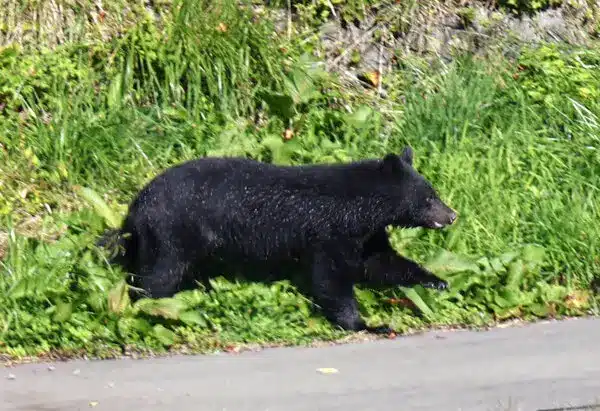
The Japanese government is taking significant steps to address a troubling surge in bear attacks across the country. In response to growing public concern, the environment ministry announced plans to recruit licensed hunters and other personnel to manage the increasing bear population that has been encroaching on residential areas. This initiative follows Japan’s first high-level meeting aimed at tackling the escalating bear problem, which has resulted in a record number of fatalities this year.
Rising Bear Attacks and Fatalities
The alarming rise in bear attacks has led to twelve reported deaths in Japan this year, marking the highest number since the country began tracking such incidents in the early 2000s. Among the victims are a newspaper delivery man from Hokkaido and a 67-year-old resident found deceased in his garden in Iwate. The government has classified bears as a serious threat to public safety, prompting discussions about allowing police officers to use rifles to shoot bears in extreme situations. Officials are expected to finalize a comprehensive set of countermeasures by mid-November to address the rising threat.
Incidents and Public Safety Concerns
Bears have increasingly been spotted in urban settings, breaking into supermarkets and high schools, and attacking residents during their daily routines. This year alone, over 100 individuals have sustained injuries from bear encounters, including at least one foreign tourist attacked near a bus stop at a popular sightseeing location. The Akita prefecture, characterized by its expansive mountain ranges, has reported the highest number of bear-related casualties, prompting local authorities to seek assistance from Japan’s self-defense forces to help capture and repel these animals.
Government Response and Community Impact
In a bid to combat the bear crisis, the Japanese government is deploying self-defense forces to assist local authorities in Akita. While current laws prevent troops from directly shooting bears, they can support licensed hunters in trapping and transporting the animals. Akita’s governor, Kenta Suzuki, expressed concern over the exhaustion of those on the front lines of this issue, highlighting the challenges faced by local hunters. The aging population of hunters, coupled with a decline in hunting’s popularity, has left communities more vulnerable to bear attacks as these animals increasingly venture into human habitats.
Environmental Factors and Future Measures
Experts suggest that environmental changes, particularly the scarcity of beech nuts due to climate change, may be driving hungry bears into residential areas. Additionally, declining bear populations in their natural habitats have been noted as a contributing factor to the increased encounters with humans. In September, Japan took steps to relax gun regulations, making it easier for residents to defend themselves against bears in urban areas. As the government continues to explore solutions, the safety and livelihoods of citizens remain a top priority in addressing this growing wildlife crisis.
Observer Voice is the one stop site for National, International news, Sports, Editor’s Choice, Art/culture contents, Quotes and much more. We also cover historical contents. Historical contents includes World History, Indian History, and what happened today. The website also covers Entertainment across the India and World.
Follow Us on Twitter, Instagram, Facebook, & LinkedIn

