

India’s Poorest State Faces Ongoing Battle Against Illegal Alcohol Trade

Nine years after Bihar implemented a statewide alcohol ban aimed at reducing addiction and domestic violence, the effectiveness of this policy remains uncertain. Despite the law’s intention to protect families from the devastating effects of alcohol, enforcement challenges and a thriving black market continue to undermine its goals. Recent raids by excise officers reveal the ongoing struggle to combat illegal liquor production, raising questions about the future of prohibition in one of India’s poorest states.
Challenges in Enforcement
Bihar’s alcohol prohibition, enacted in 2016 under Chief Minister Nitish Kumar, was a response to persistent demands from women’s groups. The law has been credited with contributing to the electoral success of Kumar’s political alliance. However, the reality on the ground tells a different story. During a recent raid, excise officers discovered a makeshift distillery on the outskirts of Patna, only to find that the operators had fled moments before their arrival. Local police attribute the ongoing illegal trade to various factors, including staff shortages and sophisticated smuggling techniques. Some officials even suggest possible collusion between liquor producers and authorities, complicating enforcement efforts.
Despite the law’s strict penalties, including life imprisonment for serious violations, the majority of convictions—over 99%—are for personal consumption rather than production or distribution. In the weeks leading up to the recent elections, authorities seized illicit alcohol worth over 522 million rupees ($6.26 million), highlighting the scale of the black market. The porous borders with neighboring states, where alcohol is legal, further exacerbate the problem, making it difficult for Bihar to control the flow of illegal liquor.
Impact on Families and Communities
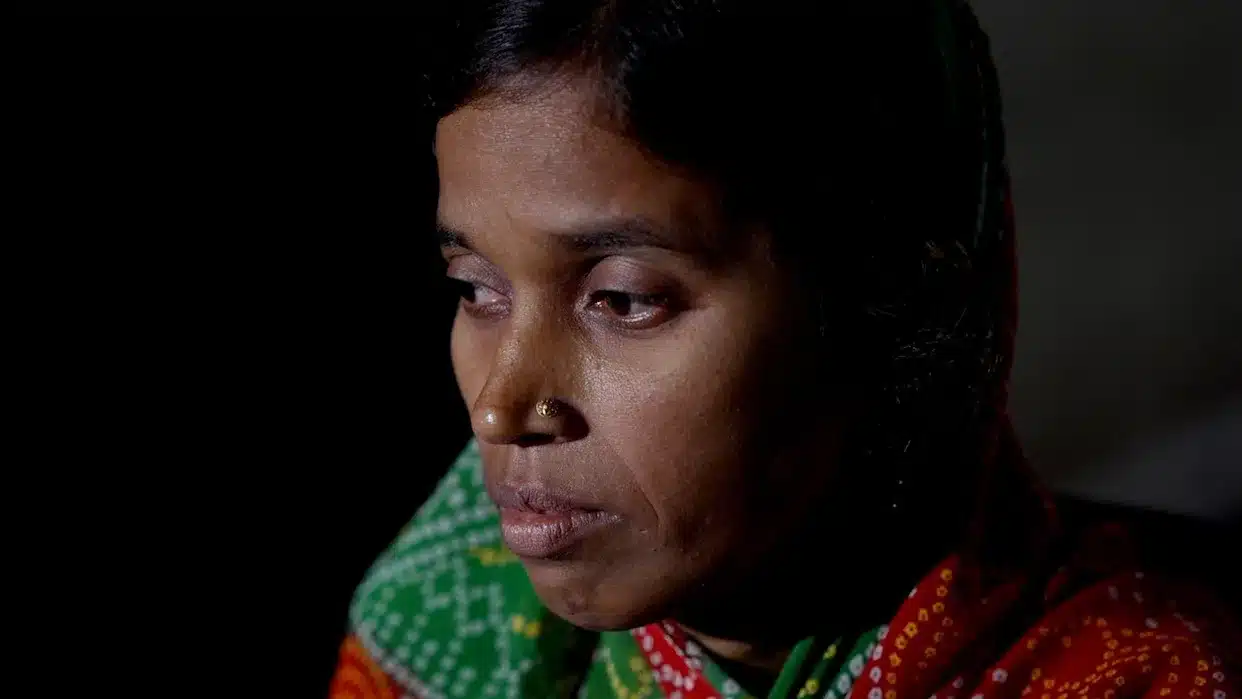
The consequences of alcohol abuse in Bihar are profound, particularly for women who bear the brunt of its effects. Many widows, like Lalmunni Devi, who lost her husband to toxic liquor, express a desire for the ban to remain in place. They believe that prohibition is essential to prevent others from suffering similar fates. Neetu Devi, another widow, emphasized the need for the government to eliminate illegal distilleries entirely to curb consumption.
Anthropologist Rajeev Kamal Kumar, who studied the impact of prohibition, notes that while many families report improvements in finances and education since the ban, the illegal trade persists. This duality reflects the complexity of the issue, as the ban has undoubtedly changed some lives for the better, yet it has also failed to eradicate the problems associated with alcohol consumption.
Historical Context of Prohibition in India
Bihar is not alone in its struggle with alcohol prohibition; several Indian states have attempted similar measures over the years, often facing unintended consequences. States like Gujarat and Nagaland have maintained bans since the 1960s, yet still contend with bootlegging. Mizoram has fluctuated between prohibition and regulation, demonstrating the challenges of enforcing such policies.
The financial implications of prohibition are significant, as alcohol taxes represent a crucial revenue source for many state governments. Some states have rolled back prohibition due to economic pressures and administrative difficulties. As Bihar’s government prepares to continue its prohibition policy, the debate over its effectiveness remains unresolved. Critics argue that the ban has merely pushed the problem underground, while supporters view it as a necessary social reform.
The Future of Prohibition in Bihar
As Bihar’s government remains committed to its prohibition policy, the question of its success looms large. While the law has been praised for its intent to protect families and improve community welfare, the ongoing challenges of enforcement and the thriving black market raise doubts about its overall effectiveness. The paradox of prohibition in Bihar—celebrated by some as a social reform yet criticized by others as ineffective—continues to shape the discourse around alcohol regulation in the state. Whether the ban has truly succeeded or simply shifted the problem remains a pressing concern for policymakers and citizens alike.
Observer Voice is the one stop site for National, International news, Sports, Editor’s Choice, Art/culture contents, Quotes and much more. We also cover historical contents. Historical contents includes World History, Indian History, and what happened today. The website also covers Entertainment across the India and World.

