

India Boosts Indigenous Fish Species to Enhance Aquaculture

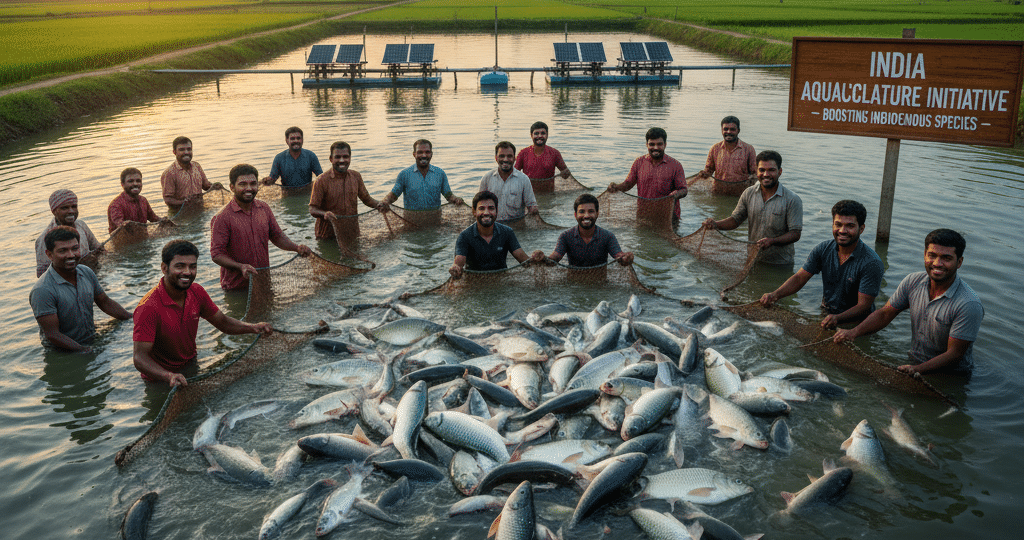
India’s rich aquatic ecosystems, from the lofty Himalayan rivers to the shores of the Indian Ocean, are home to a remarkable range of Indigenous fish species. These species play a vital role in maintaining ecological balance and embodying the country’s cultural heritage. To support sustainability in fisheries, bolster food security, and preserve biodiversity, India is prioritizing the promotion of native fish species amid increasing demand and environmental challenges.
Indigenous fish species, defined as those that have naturally evolved in specific geographic locations, contribute significantly to India’s aquatic diversity. Currently, over 2,800 Indigenous fish and shellfish species have been identified, with 917 in freshwater, 394 in brackish waters, and 1,548 found in marine environments, according to the Indian Council of Agricultural Research – National Bureau of Fish Genetic Resources (ICAR-NBFGR).
While India has developed breeding and seed production techniques for over 80 commercially important species, a few specific varieties dominate aquaculture production. The major contributors in freshwater aquaculture are three types of carps: rohu, catla, and mrigal, alongside the giant freshwater prawn. As a result, these carps account for more than 75% of the approximately 19.5 million tonnes of fresh fish produced annually in the country.
Prioritizing Indigenous Species for Future Growth
Recognizing the need for diversity, the government aims to prioritize certain indigenous species known for their economic significance. The selected species include:
- Fringed-lipped Carp
- Olive Barb
- Pengba
- Striped Murrel
- Pabda
- Singhi
- Asian Seabass
- Pearlspot
- Pompano
- Mud Crab
- Penaeus indicus
These species are not only culturally and economically important, but they also connect local communities to their aquatic environments. They hold potential for aquaculture development by providing a vital food source and improving local income.
Bridging Knowledge Gaps and Supporting Sustainability
Despite the benefits offered by indigenous fish species, a lack of awareness and technical knowledge hampers their integration into aquaculture practices. Educating stakeholders through training on breeding, seed production, and farming techniques is essential for realizing the full potential of these native species. With the right strategies, India can cultivate a sustainable approach to aquaculture that honors its rich aquatic heritage while meeting modern demands.
The Department of Fisheries (DoF), Government of India, recognizes aquaculture as a major contributor to the nation’s fish production, comprising over 75% alongside capture fisheries. Through initiatives like the Pradhan Mantri Matsya Sampada Yojana (PMMSY) and the Fisheries and Aquaculture Infrastructure Development Fund (FIDF), the government is working to enhance production efficiency and accessibility of quality seeds and feed.
Furthermore, the DoF has identified several important indigenous species for genetic improvement and is supporting fisheries institutes in producing high-quality seeds. Additionally, the establishment of production and processing clusters across the country aims to enhance the value chain, reduce post-harvest losses, and create employment opportunities, especially for rural women and youth.
The focus on indigenous fish species not only helps in preserving local cultures and traditional practices but also sets a path towards a more sustainable and economically viable aquaculture sector in India. By harnessing these unique aquatic resources, the country aims to strike a balance between ecological health and economic progress.
Observer Voice is the one stop site for National, International news, Sports, Editor’s Choice, Art/culture contents, Quotes and much more. We also cover historical contents. Historical contents includes World History, Indian History, and what happened today. The website also covers Entertainment across the India and World.
Follow Us on Twitter, Instagram, Facebook, & LinkedIn

