

India Accelerates Energy Storage Solutions for Renewable Future

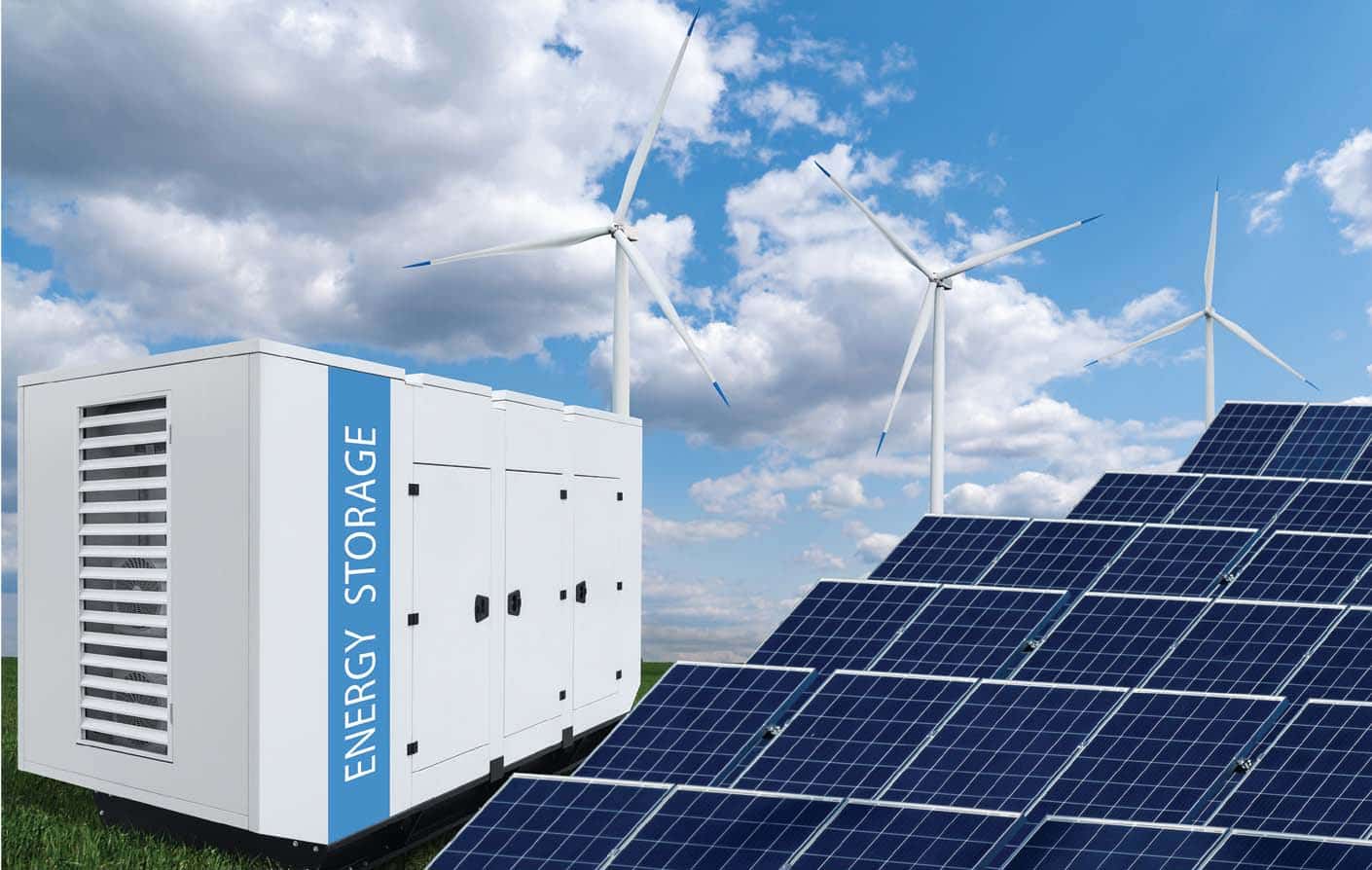
To enhance grid stability and harness the potential of renewable energy, the Government of India has unveiled comprehensive measures to promote the development and deployment of energy-storage technologies. This initiative includes Battery Energy Storage Systems (BESS) and Pumped Storage Projects (PSPs). The measures, which draw inspiration from global best practices, aim to mitigate the intermittency associated with renewable energy sources.
Recognizing the critical role of energy storage in stabilizing the grid, the government has aligned its strategies with international examples where pumped-hydro storage and advanced grid-management systems are integral to energy management. The incorporation of energy storage systems is expected to provide essential grid services, including frequency control, congestion management, and peak shifting, thus ensuring a reliable energy supply.
Coordinated Policy Initiatives
As part of the framework established under the Central Electricity Regulatory Commission (CERC) Regulations, the energy storage systems in India will now be eligible to provide ancillary services crucial for operational reliability. The government has also set up Renewable Energy Management Centres (REMCs) to oversee monitoring, forecasting, and scheduling of renewable resources, with Automatic Generation Control (AGC) employed to balance supply and demand amidst variability.
The Central Electricity Authority (CEA) has forecasted a need for approximately 336 GWh of storage capacity by 2029-30 and around 411 GWh by 2031-32 to properly integrate renewable resources. Recent guidelines issued in June 2023 focus on resource adequacy planning, emphasizing the importance of energy storage in sustaining peak demand and maintaining grid reliability.
Regulatory Reforms for Energy Storage
The Indian government has made significant amendments to its regulatory framework to boost energy storage integration. Key changes made in December 2022 recognized energy storage as a critical component across the power sector. Additionally, the Ministry of Finance included energy storage systems in the Harmonised Master List of Infrastructure in October 2022, easing access to financing.
In March 2022, new competitive bidding guidelines were introduced to foster transparent procurement processes for storage solutions. The government also incentivizes a shift to cleaner backup power solutions by mandating consumers dependent on diesel generators to adopt energy storage options.
Investment in Domestic Energy Storage Solutions
A robust investment strategy underpins these initiatives. The Ministry of Heavy Industries is pushing forward with a Production-Linked Incentive (PLI) Scheme designed to establish a domestic manufacturing capacity for advanced chemistry cells. This includes setting aside resources specifically for grid-scale BESS installations.
Furthermore, financial support mechanisms, including a grant for infrastructure development in pumped storage projects, are now in place. The enhancements also allow for separate grid connectivity during non-solar hours, facilitating the transition of power storage for evening and night use.
Observer Voice is the one stop site for National, International news, Sports, Editor’s Choice, Art/culture contents, Quotes and much more. We also cover historical contents. Historical contents includes World History, Indian History, and what happened today. The website also covers Entertainment across the India and World.

