

Hypertension: High blood pressure condition causing heart and kidney disease
Hypertension: Silent killer affecting 1.4 billion people worldwide

David Kimani (Nairobi, Kenya) collapsed during his daughter’s wedding reception. One moment he was dancing, celebrating, filled with joy. The next moment, he lay unconscious on the floor. Massive stroke. Age 52. He survived, but the left side of his body remained paralyzed. His speech slurred permanently. His independence vanished.
“I thought I was healthy,” David recalled during our interview, struggling to articulate words through his paralysis. “No symptoms. I felt fine. I worked full-time, played football on weekends, had energy. How could I have a stroke? I wasn’t sick.”
But David was sick. He’d had dangerously high blood pressure for years—probably a decade or more. He just didn’t know it. He’d never checked. He’d never felt anything wrong. His blood pressure had been silently, invisibly, relentlessly damaging his blood vessels, straining his heart, destroying his arteries. Until the day one burst in his brain.
“The doctors told me my blood pressure had been over 180/120 for years. Normal is 120/80. Mine was catastrophically high. But I felt nothing. No pain. No warning. That’s why they call it the ‘silent killer,'” David explained. “One simple blood pressure check could have prevented my stroke. One five-minute test. Instead, I’m permanently disabled at 52. I can’t work. I can’t drive. I struggle to speak. My family lost their provider. My grandchildren will never know the grandfather who could run and play. All because I didn’t know about hypertension.”
According to WHO, Hypertension, also known as high or raised blood pressure, is a condition in which the blood vessels have persistently raised pressure. Blood is carried from the heart to all parts of the body in the vessels. Each time the heart beats, it pumps blood into the vessels. Blood pressure is created by the force of blood pushing against the walls of blood vessels (arteries) as it is pumped by the heart. The higher the pressure, the harder the heart has to pump.
For more on cardiovascular health, see our articles on heart disease and stroke prevention at ObserverVoice.com. WHO provides comprehensive fact sheets on Hypertension and Cardiovascular diseases (CVDs).
Global Burden and Silent Nature
Hypertension is a serious medical condition and can increase the risk of heart, brain, kidney and other diseases. It is a silent killer and a major cause of premature death worldwide, with an estimated 1.4 billion people having the condition. The burden of hypertension is felt disproportionately in low- and middle-income countries, where two thirds of cases are found, largely due to increased risk factors in those populations in recent decades.
Many people with hypertension do not notice symptoms and may be unaware there is a problem. Symptoms can include early morning headaches, nosebleeds, irregular heart rhythms, vision changes, and buzzing in the ears. More severe forms may exhibit fatigue, nausea, vomiting, confusion, anxiety, chest pain, and muscle tremors. If left untreated, hypertension can cause persistent chest pain (also called angina), heart attacks, heart failure, and an irregular heartbeat, which can lead to a sudden death.
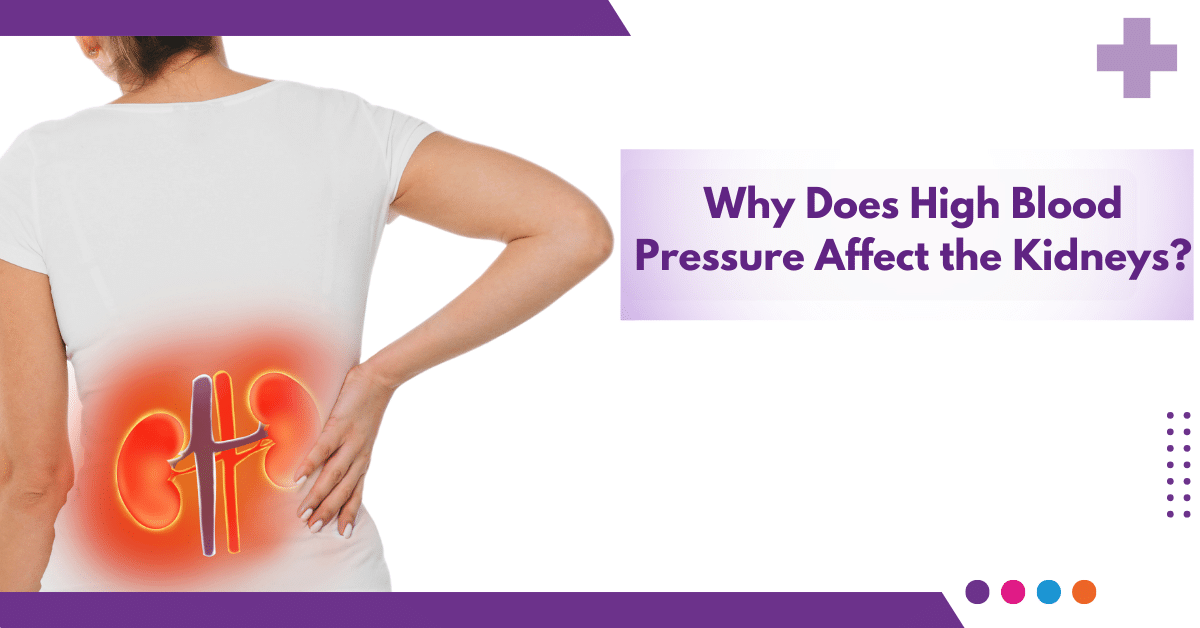
Hypertension can also cause strokes by blocking or bursting arteries that supply blood and oxygen to the brain, as well as kidney damage, which can lead to kidney failure. High blood pressure causes damage to the heart by hardening arteries and decreasing the flood of blood and oxygen to the heart. Detecting hypertension is done with a quick and painless test of blood pressure. This can be done at home, but a health professional can help assess any risks or associated conditions.
Related topic is Cardiovascular diseases. For more on noncommunicable diseases, see our article on chronic disease management at ObserverVoice.com.
Risk Factors and Prevention
Reducing modifiable risk factors is the best way to prevent hypertension and associated diseases of the heart, brain, kidney and other organs. These factors include unhealthy diets (excessive salt consumption, a diet high in saturated fat and trans fats, low intake of fruits and vegetables), physical inactivity, consumption of tobacco and alcohol, and being overweight or obese. Additionally, prolonged exposure to air pollution increases the risk of hypertension in adults.
There are also non-modifiable risk factors, including a family history of hypertension, age over 65 years and co-existing diseases such as diabetes or kidney disease. Avoiding dietary and behavioural risk factors is doubly important for those with unmodifiable or hereditary risk factors. Hypertension can be managed by reducing and managing mental stress, regularly checking blood pressure and consulting with health professionals, treating high blood pressure and managing other medical conditions. Cessation of tobacco use and the harmful use of alcohol, as well as improvements in diet and exercise, can help reduce symptoms and risk factors from hypertension.
Recent WHO Reports and Initiatives
September 2025 WHO published Global report on hypertension 2025: high stakes: turning evidence into action highlighting urgent need to scale up detection, treatment, and control of hypertension, especially at primary health care level. September 2025 WHO announced Uncontrolled high blood pressure puts over a billion people at risk. September 2025 WHO released updated guideline on HIV service delivery.
December 2024 WHO published Framework for the care of acute coronary syndrome and stroke to guide countries in strengthening care. December 2024 WHO released document on Integrating HIV and hypertension care for enhanced health outcome highlighting integration of hypertension management into HIV care. March 2024 WHO published Priorities for research on hypertension care delivery: web annex. February 2024 WHO published Priorities for research on hypertension care delivery.
WHO launched Global Hearts Initiative to prevent and control cardiovascular diseases including hypertension. January 2025 WHO featured Kyrgyzstan controls the prices of essential medicines in pursuit of health for all. April 2025 WHO shared Thailand: checking hypertension everywhere. WHO’s Noncommunicable diseases, rehabilitation and disability team coordinates global efforts.
David Kimani now volunteers as community health advocate, traveling to churches, schools, workplaces with his portable blood pressure monitor. His paralyzed body, slurred speech become powerful teaching tools.
“People see me and understand that hypertension is real. They see the consequences. They see what happens when you ignore the silent killer,” David explained. “I tell everyone: check your blood pressure. It takes five minutes. It costs almost nothing. It could save your life. If your pressure is high, you can manage it—medication, diet changes, exercise, less salt, stress reduction. These interventions work. They’re affordable. They’re accessible.”
“The tragedy is that most hypertension is preventable and manageable. We have the knowledge. We have the tools. We have effective medications. What we lack is awareness. One billion people worldwide have uncontrolled high blood pressure. Most don’t know it. They’re walking time bombs, just like I was. Every day, thousands suffer strokes, heart attacks, kidney failure—all preventable with simple blood pressure control,” David emphasized.
“WHO’s Global Hearts Initiative provides the roadmap for countries to implement population-level interventions—reducing dietary salt, promoting physical activity, improving access to blood pressure monitoring and treatment. These aren’t expensive, complicated interventions. They’re straightforward public health measures that save lives and reduce healthcare costs,” David continued.
“I wish I could go back to 2015, walk into a clinic, have my blood pressure checked, start treatment, change my diet, exercise more. That five-minute investment would have saved me from paralysis. It would have saved my family from economic devastation. It would have given me back my future. Since I can’t change my past, I work to change others’ futures. Every person I convince to check their blood pressure is a potential stroke prevented, a family protected, a life saved. That’s my mission now—turning my tragedy into others’ triumph over the silent killer.”
For more information, visit WHO’s hypertension topic page or explore related content at ObserverVoice.com.
Frequently Asked Questions (FAQs)
Hypertension, also known as high or raised blood pressure, is condition in which blood vessels have persistently raised pressure. Blood is carried from heart to all parts of body in vessels. Each time heart beats, it pumps blood into vessels. Blood pressure is created by force of blood pushing against walls of blood vessels (arteries) as it is pumped by heart. Higher the pressure, harder the heart has to pump. Hypertension is serious medical condition and can increase risk of heart, brain, kidney and other diseases. It is silent killer and major cause of premature death worldwide, with estimated 1.4 billion people having condition. Burden of hypertension is felt disproportionately in low- and middle-income countries, where two thirds of cases are found. Many people with hypertension do not notice symptoms and may be unaware there is problem. Detecting hypertension is done with quick and painless test of blood pressure. WHO fact sheets: Hypertension, Cardiovascular diseases. Related: Cardiovascular diseases.
Many people with hypertension do not notice symptoms and may be unaware there is problem. Symptoms can include early morning headaches, nosebleeds, irregular heart rhythms, vision changes, and buzzing in ears. More severe forms may exhibit fatigue, nausea, vomiting, confusion, anxiety, chest pain, and muscle tremors. If left untreated, hypertension can cause persistent chest pain (also called angina), heart attacks, heart failure, and irregular heartbeat, which can lead to sudden death. Hypertension can also cause strokes by blocking or bursting arteries that supply blood and oxygen to brain, as well as kidney damage, which can lead to kidney failure. High blood pressure causes damage to heart by hardening arteries and decreasing flood of blood and oxygen to heart. Detecting hypertension is done with quick and painless test of blood pressure. This can be done at home, but health professional can help assess any risks or associated conditions. September 2025 WHO announced Uncontrolled high blood pressure puts over a billion people at risk.
3. What are risk factors for hypertension?
Reducing modifiable risk factors is best way to prevent hypertension and associated diseases of heart, brain, kidney and other organs. These factors include unhealthy diets (excessive salt consumption, diet high in saturated fat and trans fats, low intake of fruits and vegetables), physical inactivity, consumption of tobacco and alcohol, and being overweight or obese. Additionally, prolonged exposure to air pollution increases risk of hypertension in adults. There are also non-modifiable risk factors, including family history of hypertension, age over 65 years and co-existing diseases such as diabetes or kidney disease. Avoiding dietary and behavioural risk factors is doubly important for those with unmodifiable or hereditary risk factors. Hypertension can be managed by reducing and managing mental stress, regularly checking blood pressure and consulting with health professionals, treating high blood pressure and managing other medical conditions. Cessation of tobacco use and harmful use of alcohol, as well as improvements in diet and exercise, can help reduce symptoms and risk factors from hypertension. December 2024 WHO published Framework for care of acute coronary syndrome and stroke.
September 2025 WHO published Global report on hypertension 2025: high stakes: turning evidence into action highlighting urgent need to scale up detection, treatment, and control of hypertension, especially at primary health care level. December 2024 WHO published Framework for care of acute coronary syndrome and stroke to guide countries in strengthening care. December 2024 WHO released document on Integrating HIV and hypertension care for enhanced health outcome highlighting integration of hypertension management into HIV care. March 2024 WHO published Priorities for research on hypertension care delivery: web annex. February 2024 WHO published Priorities for research on hypertension care delivery. September 2025 WHO released updated guideline on HIV service delivery. WHO launched Global Hearts Initiative to prevent and control cardiovascular diseases. WHO’s Noncommunicable diseases, rehabilitation and disability team coordinates efforts.
5. What WHO initiatives address hypertension globally?
WHO launched Global Hearts Initiative to prevent and control cardiovascular diseases including hypertension. September 2025 WHO announced Uncontrolled high blood pressure puts over a billion people at risk. January 2025 WHO featured Kyrgyzstan controls prices of essential medicines in pursuit of health for all. April 2025 WHO shared Thailand: checking hypertension everywhere. Hypertension is serious medical condition and can increase risk of heart, brain, kidney and other diseases. It is silent killer and major cause of premature death worldwide, with estimated 1.4 billion people having condition. Burden of hypertension is felt disproportionately in low- and middle-income countries, where two thirds of cases are found. WHO’s Noncommunicable diseases, rehabilitation and disability team coordinates global efforts. September 2025 WHO published Global report on hypertension 2025 providing roadmap for countries to implement population-level interventions. Related: Cardiovascular diseases.
- WHO Hypertension Topic Page
- WHO Fact Sheet on Hypertension
- WHO Global Report on Hypertension 2025
- WHO Global Hearts Initiative
- WHO Noncommunicable Diseases Team
Disclaimer: This article is an adaptation of publicly available information from WHO’s Hypertension
health topic page (WHO, Geneva. Licence: CC BYNC-SA 3.0 IGO). WHO is not responsible for the
content or accuracy of this adaptation. This content is for informational and educational purposes
only and does not constitute medical advice. ObserverVoice.com is a news and information platform
— not a healthcare provider.
Observer Voice is the one stop site for National, International news, Sports, Editor’s Choice, Art/culture contents, Quotes and much more. We also cover historical contents. Historical contents includes World History, Indian History, and what happened today. The website also covers Entertainment across the India and World.

