

Human Capital Working Group Meeting Explores AI and Language Access

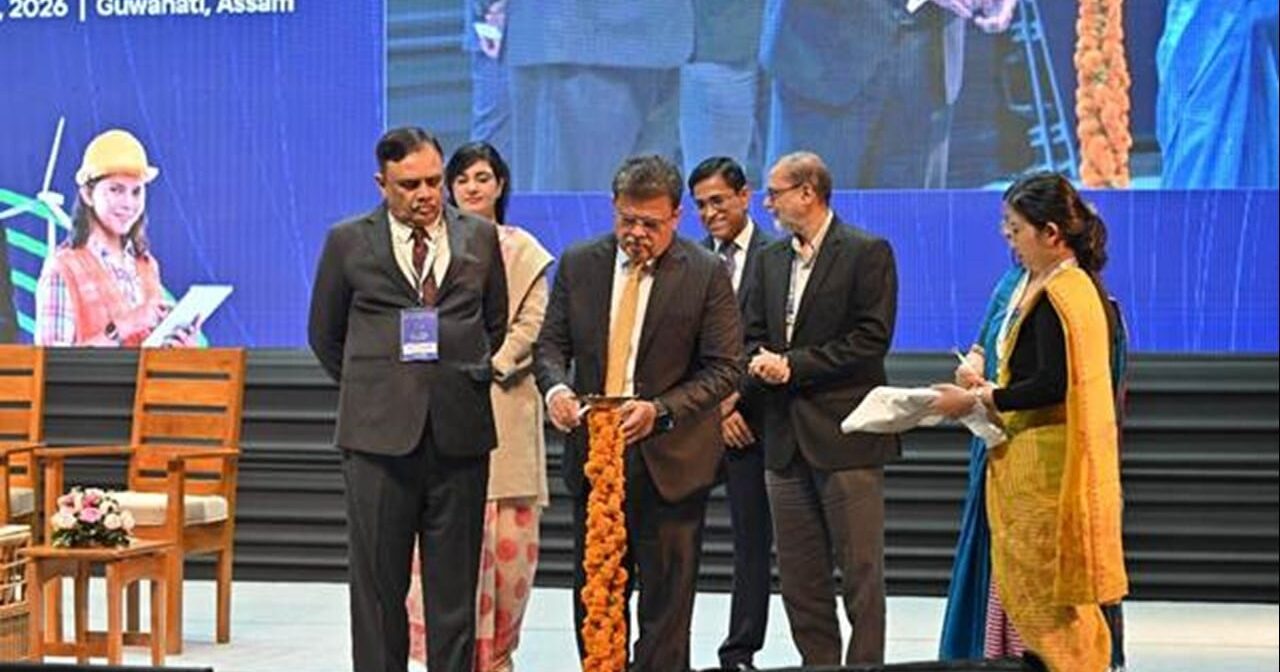
The second day of the Human Capital Working Group Meeting concluded today, presenting vital discussions led by the Ministry of Electronics and Information Technology (MeitY), the IndiaAI Mission, the Government of Assam, and IIT Guwahati. The focus was on advancing practical pathways for enhancing language access, the National Language Translation Mission (NLTM), AI-enabled education, and the BHASHINI platform.
Exploring the National Language Translation Mission
The day opened with a session titled “The Architecture of the National Language Translation Mission (NLTM).” Professor Mitesh Khapre from IIT Madras, who leads AI4Bharat, detailed the initiative’s journey over the past four years. He emphasized its goal of developing AI and language technologies that cater to India’s diverse linguistic landscape. The mission prioritizes 22 officially recognized Indian languages that together represent nearly 99% of the population, ensuring both inclusivity and practicality. Professor Khapre pointed out that while AI systems globally are predominantly English-centric, it’s crucial to prevent Indian languages from being sidelined.
Language Technology Development in the Northeast
Next, Professor Rohit Sinha from IIT Guwahati addressed the unique linguistic landscape of the Northeast region, which is home to around 200 languages despite comprising only 3-4% of the Indian population. He underscored the Centre’s efforts to support language technology missions through regional data collection, native speaker annotation, and the development of machine translation and speech recognition systems. This initiative particularly focuses on low-resource languages, such as Assamese and Mizo, to improve access to education, governance, and digital services.
Empowering Local Citizens with BHASHINI
Ms. Jyotismita Devi, Engagement Manager for Northeast India within the Digital India BHASHINI Division, shared insights on the BHASHINI initiative. She outlined its vision of inclusive, voice-first language technologies that allow citizens to interact with digital systems in their native languages, regardless of their literacy or technology skills. Highlighting the importance of language in shaping identity, she described how speech-based AI could enhance access to government services, education, and public platforms. BHASHINI aims to support low-resource languages, empowering researchers and students with a centralized platform that offers APIs and datasets.
Innovative Approaches to AI Education
The final session was led by Professor Amit Awekar from IIT Guwahati, who discussed “The Reverse Engineering Approach to AI Education.” He addressed students about the necessity of rethinking educational methodologies to cultivate AI talent by embedding critical thinking and problem-solving skills in early education. The session advocated for a deeper understanding of AI system design and ethical deployment rather than superficial tool usage.
Looking Ahead
Dr. Sanasam Ranbir Singh from IIT Guwahati concluded the meeting by thanking all participants, including dignitaries, government officials, and students, for their contributions. Throughout the sessions, speakers emphasized the need to align education with real-world AI applications, ensuring learners possess the skills to responsibly design and evaluate AI systems. The discussions highlighted the interdisciplinary foundations required for building a globally competitive and socially grounded AI workforce.
This meeting represented a significant step for the Human Capital Working Group and a precursor to the upcoming India AI Impact Summit 2026, which will take place in New Delhi from February 15 to 20, 2026. The insights gathered are anticipated to inform national and international dialogues at the summit, reinforcing India’s commitment to fostering an inclusive and resilient human capital ecosystem in the AI era.
Observer Voice is the one stop site for National, International news, Sports, Editor’s Choice, Art/culture contents, Quotes and much more. We also cover historical contents. Historical contents includes World History, Indian History, and what happened today. The website also covers Entertainment across the India and World.

