

Hasina’s Crimes Against Humanity Conviction Puts Strain on India-Bangladesh Relations

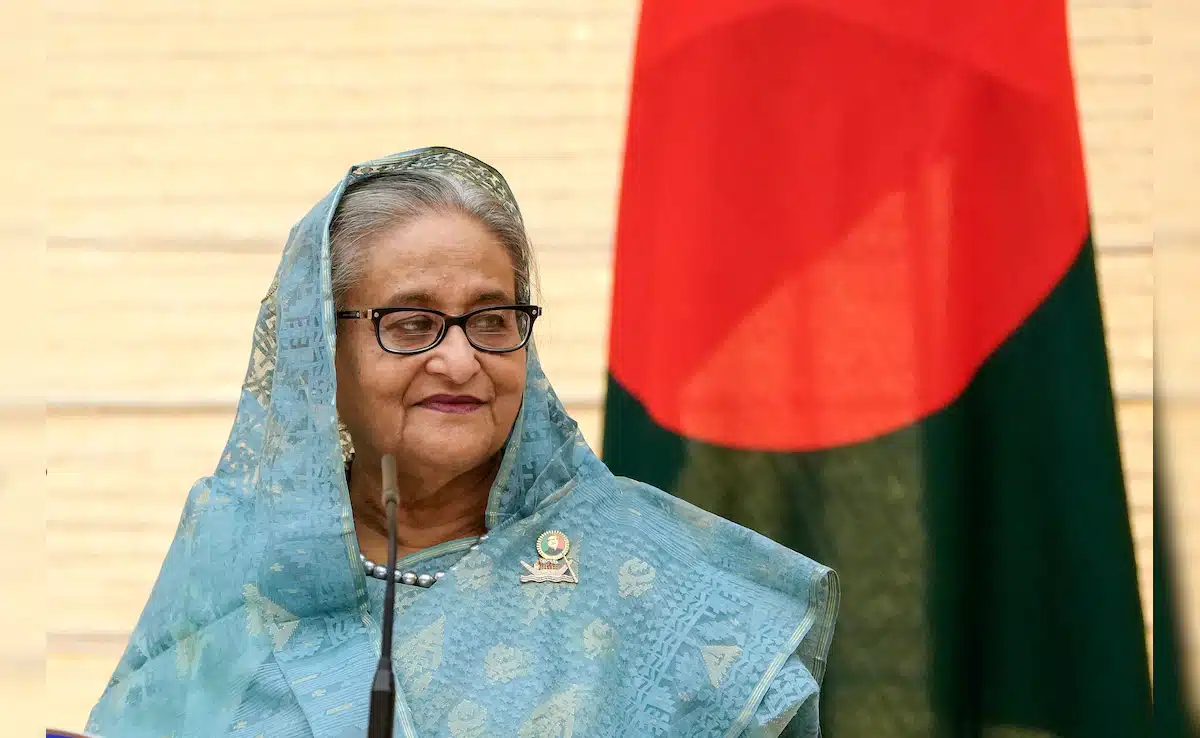
For India, the long-standing relationship with Bangladesh’s former leader, Sheikh Hasina, has been both strategically beneficial and politically challenging. Hasina, who governed for 15 years, fostered stability and connectivity between the two nations, aligning Bangladesh’s interests more closely with India than with China. However, her recent sentencing to death in Bangladesh for crimes against humanity has created a diplomatic dilemma for India, which is now grappling with the implications of offering her asylum. As Bangladesh prepares for elections early next year, the situation raises questions about the future of India-Bangladesh relations and the potential fallout from Hasina’s exile.
Sheikh Hasina’s Political Downfall
Sheikh Hasina’s political career has taken a dramatic turn following her ousting during student-led protests in 2024. These protests were a response to her government’s crackdown on dissent, which ultimately led to her fleeing to India. A special tribunal in Bangladesh has since sentenced her to death for crimes against humanity, complicating her status as a political refugee. The interim government, led by Nobel laureate Muhammad Yunus, is now in charge as the country approaches elections. Dhaka has expressed a desire for Hasina’s extradition, but India has shown reluctance to comply, leaving her death sentence unenforceable. This situation poses a significant challenge for India, which must navigate its historical ties with Hasina while addressing the evolving political landscape in Bangladesh.
The Diplomatic Dilemma for India
India’s decision to grant Hasina asylum was initially seen as a humanitarian gesture, but it has now become a complex diplomatic issue. Experts suggest that India faces several unappealing options: extraditing Hasina, maintaining the status quo, urging her to remain silent, or finding a third country to accept her. Each option carries its own risks and potential backlash. Extraditing Hasina is particularly unthinkable, as both the ruling party and opposition in India view her as a close ally. The depth of the India-Bangladesh relationship, rooted in India’s pivotal role in Bangladesh’s independence, further complicates the matter. As India navigates this diplomatic tightrope, it must consider how its actions will be perceived both domestically and internationally.
Economic Interdependence and Shifting Alliances
The economic ties between India and Bangladesh are substantial, with India being Bangladesh’s largest export market and the two countries sharing a complex interdependence. Total trade between the nations reached nearly $13 billion last year, with India providing significant support through concessional credit and infrastructure projects. However, the interim government under Yunus appears to be reorienting Bangladesh’s foreign policy, seeking to reduce reliance on India. This shift includes canceling judicial exchanges, renegotiating energy deals, and fostering closer ties with countries like China and Pakistan. Public sentiment in Bangladesh has also shifted, with a recent survey indicating that a majority of Bangladeshis view relations with China positively, while perceptions of India have soured. This evolving landscape raises questions about the future of bilateral relations and the potential for economic cooperation amidst political tensions.
Future Prospects for India-Bangladesh Relations
Looking ahead, the relationship between India and Bangladesh is likely to remain turbulent, particularly as the country approaches its elections. Experts suggest that the outcome of these elections will significantly influence the trajectory of bilateral ties. If the interim government can conduct credible elections, it may open avenues for renegotiating the relationship. However, if the new government prioritizes domestic politics and anti-India sentiment, the path forward could be fraught with challenges. India’s ability to manage its relationship with Bangladesh will depend on its diplomatic engagement and willingness to adapt to the changing political landscape. As both nations navigate this complex situation, the future of their partnership remains uncertain, with the potential for both cooperation and conflict on the horizon.
Observer Voice is the one stop site for National, International news, Sports, Editor’s Choice, Art/culture contents, Quotes and much more. We also cover historical contents. Historical contents includes World History, Indian History, and what happened today. The website also covers Entertainment across the India and World.
Follow Us on Twitter, Instagram, Facebook, & LinkedIn

