

End of an Era: Iconic Japanese Series That Inspired Power Rangers Set to Conclude

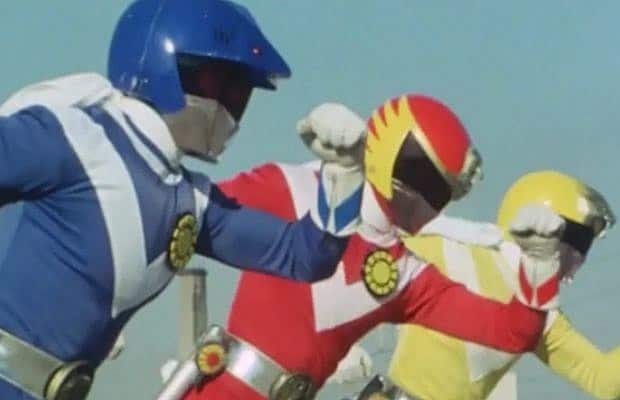
A beloved Japanese superhero series, Super Sentai, is set to conclude after an impressive 50-year run, according to local media reports. The show, which inspired the iconic Power Rangers franchise in the 1990s, will go off the air due to insufficient merchandise and event sales to cover production costs. TV Asahi, the broadcaster of Super Sentai, has not commented on future programming plans, leaving fans to reflect on the series’ significant impact on pop culture.
Legacy of Super Sentai
Premiering in 1975, Super Sentai introduced audiences to a formula that would become a staple in superhero storytelling: five teenagers transforming into vibrant, masked warriors to combat alien threats. This concept not only laid the groundwork for the Power Rangers in the United States but also influenced numerous other superhero shows across Asia. Over the decades, Super Sentai has been a launchpad for many Japanese actors, helping to shape the careers of those who donned the colorful suits.
The series was more than just entertainment; it served as a marketing tool for a wide range of products, including toys, clothing, and collectibles. For fans outside Japan, Super Sentai acted as an entry point into the rich world of Japanese superhero and comic book culture. Spin-offs like Choudenshi Bioman and Hikari Sentai Maskman gained popularity in countries like the Philippines, where they were dubbed in English and developed dedicated fan bases.
Format and Appeal
The structure of Super Sentai episodes followed a familiar pattern: martial arts and sword fights leading to climactic battles between the superhero team’s robot spaceship and a giant alien adversary. The team typically consisted of three men and two women, with a leader in a red suit, mirroring the Power Rangers’ lineup. The remaining members were color-coded as green or black for the second-in-command, followed by blue, yellow, and pink.
The show’s charm lay in its live-action animation, which, particularly in the 1980s and 1990s, had a distinctive, albeit crude, aesthetic. The original Power Rangers series aired in the U.S. from 1993 to 1996 and has spawned numerous spin-offs, with episodes now available for streaming on platforms like YouTube. Producer Haim Saban, who adapted the series for American audiences, faced initial skepticism from networks, as he recounted in a 2017 interview, highlighting the challenges of bringing the concept to life.
Reactions to the Cancellation
The announcement of Super Sentai’s cancellation has elicited a wave of sadness from fans and celebrities alike. Actress Keiko Kitagawa expressed her dismay by sharing a news article about the show’s end, which garnered 15 million views on social media. Yasuhisa Furuhara, an actor who portrayed one of the Super Sentai fighters, reflected on the series’ remarkable 50-year history, stating, “I’m proud to be a part of history.”
Fans have taken to social media to share their memories and feelings about the show’s conclusion. One user noted that their parents had watched Super Sentai as children, and they are now following the current series. Another fan lamented, “I’ll miss it… What a shame,” while another questioned what young viewers would turn to for superhero content in the future. The emotional responses highlight the deep connection many have with this iconic series and its lasting legacy in the world of entertainment.
Observer Voice is the one stop site for National, International news, Sports, Editor’s Choice, Art/culture contents, Quotes and much more. We also cover historical contents. Historical contents includes World History, Indian History, and what happened today. The website also covers Entertainment across the India and World.

