

China’s Fighter Jets Target Japan’s Aircraft Amid Escalating Tensions

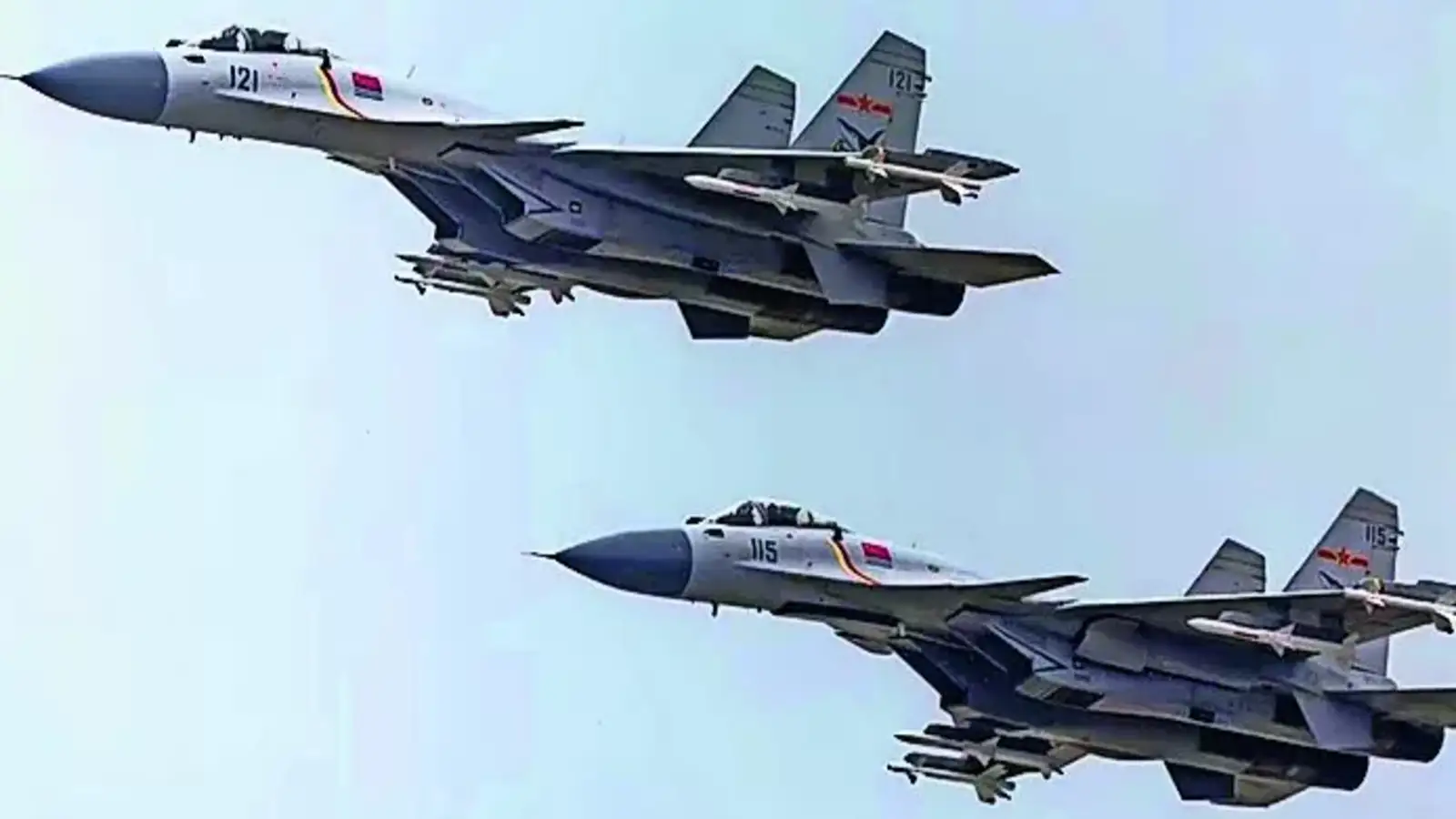
Japan has raised alarms after Chinese fighter jets reportedly locked their radars onto Japanese aircraft, escalating tensions between the two nations. This incident, which occurred off the southern Okinawa islands, is viewed by Japan as a serious threat, as radar locking can indicate a potential attack. In response, Japan scrambled its own fighter jets, while China accused Japan of harassing its forces during a training exercise. The diplomatic relationship between the two countries has deteriorated significantly in recent weeks, particularly following remarks by Japanese Prime Minister Sanae Takaichi regarding potential military action in the event of a Chinese attack on Taiwan.
Incidents Off Okinawa
On Saturday, Japan reported two separate incidents involving Chinese J-15 fighter jets locking their radars onto Japanese aircraft. The first incident occurred at 16:32 local time, followed by a second occurrence at approximately 18:37. The Japanese defense ministry expressed concern over the unclear intentions of the Chinese jets, emphasizing that there was no justification for locking onto Japanese planes if the goal was merely to locate other aircraft. Fortunately, no injuries or damage were reported during these encounters. Japan’s response included scrambling its own fighter jets to monitor the situation closely.
Escalating Diplomatic Tensions
The diplomatic relationship between Japan and China has been strained since last month, particularly after Prime Minister Takaichi suggested that Japan might consider military action if China were to attack Taiwan. This statement has intensified the already fraught atmosphere between the two nations, with both sides engaging in increasingly hostile rhetoric. Beijing views Taiwan as part of its territory and has not ruled out the use of force to achieve reunification. The ongoing tensions have begun to impact daily life for citizens in both countries, with recent reports indicating that China has advised its citizens to avoid travel to Japan.
Conflicting Accounts and Responses
Following the radar-locking incidents, Japan lodged a formal protest with China, demanding measures to prevent similar occurrences in the future. Takaichi described the situation as “extremely regrettable” and affirmed Japan’s commitment to respond “calmly and resolutely.” In contrast, the Chinese navy dismissed Japan’s claims as “completely inconsistent with the facts,” urging Tokyo to cease its “slandering and smearing.” The Chinese military stated that their training exercises in the area had been previously announced, suggesting that Japan’s concerns were unfounded.
Broader Implications and Recent Developments
This latest incident follows a series of heightened tensions between Japan and China, including Japan’s recent decision to deploy missiles on Yonaguni Island, located near Taiwan. This move has drawn ire from Beijing, further complicating the already delicate relationship. Additionally, China has taken steps to restrict imports of Japanese seafood and has suspended the screening of popular Japanese films, signaling a broader backlash against Japan amid these rising tensions. As both nations navigate this increasingly hostile environment, the potential for further conflict remains a pressing concern for regional stability.
Observer Voice is the one stop site for National, International news, Sports, Editor’s Choice, Art/culture contents, Quotes and much more. We also cover historical contents. Historical contents includes World History, Indian History, and what happened today. The website also covers Entertainment across the India and World.
Follow Us on Twitter, Instagram, Facebook, & LinkedIn

