Environment
-

If Australia and Indonesia agreed to end new thermal coal mines, it could drive the green transition.
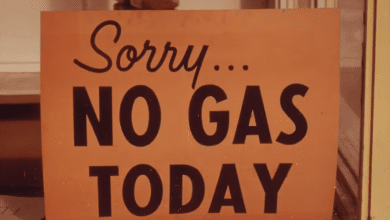
In the 1960s, major oil-producing nations formed a cartel to drive up the price of oil. It worked. For decades,…
Read More » -
What Olympic athletes see that viewers don’t: Machine-made snow makes ski racing faster and riskier – and it’s everywhere
When viewers tune in to the 2026 Winter Olympics, they will see pristine, white slopes, groomed tracks and athletes racing…
Read More » -
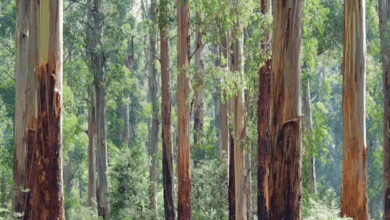
Victoria’s mountain ash forests naturally thin their trees. So why do it with machines?
David Clode/Unsplash, CC BY-ND Elle Bowd, Australian National University and David Lindenmayer, Australian National University There has been much global…
Read More » -
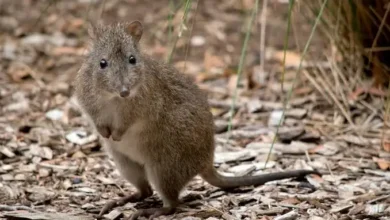
Potoroos digging for ‘truffles’ keep their forests healthy – but for how long?
Think truffles and you’ll probably think of France. But Australia is actually a global hotspot for truffle-like fungi, boasting hundreds…
Read More » -
Do trees prevent landslides? What science says about roots, rainfall and stability
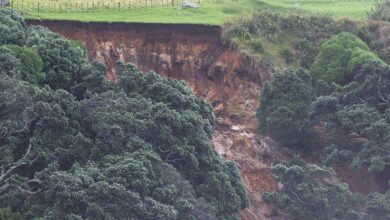
In the days since last week’s fatal landslides at Mount Maunganui, there has been widespread discussion about what may have…
Read More » -
Why too much phosphorus in America’s farmland is polluting the country’s water
When people think about agricultural pollution, they often picture what is easy to see: fertilizer spreaders crossing fields or muddy…
Read More » -
Human composting, natural burials, water cremation: greener ways to go when you die
All of us, sooner or later, will need to make a decision about the final resting place for ourselves or…
Read More » -
How the polar vortex and warm ocean are intensifying a major US winter storm
A severe winter storm sweeping across the central and eastern U.S. in late January 2026 threatened states from Texas to…
Read More » -
The Mount Maunganui tragedy reminds us landslides are NZ’s deadliest natural hazard
The tragic events in the Bay of Plenty this week are a stark reminder that landslides remain the deadliest of…
Read More » -
Despite its steep environmental costs, AI might also help save the planet
Nir Kshetri, University of North Carolina – Greensboro The rapid growth of artificial intelligence has sharply increased electricity and water…
Read More » -
America’s next big clean energy resource could come from coal mine pollution – if we can agree on who owns it
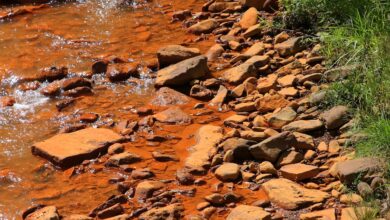
Hélène Nguemgaing, University of Maryland and Alan Collins, West Virginia University Across Appalachia, rust-colored water seeps from abandoned coal mines,…
Read More » -
Should I pour this down the sink? (Probably not, and here’s why)
Mathias Reding/Unsplash, CC BY Faisal Hai, University of Wollongong Ever been about to pour rancid milk down the sink and…
Read More » -
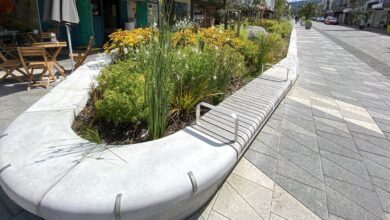
Dunedin’s inner-city greening project shows even small spaces can be wildlife havens
Dunedin’s inner-city greening project shows even small spaces can be wildlife havens Jacqueline Theis, University of Otago; Barbara I.P. Barratt, University…
Read More » -
Clouds are vital to life – but many are becoming wispy ghosts. Here’s how to see the changes above us
Rumen Rachev, Edith Cowan University As a scholar researching clouds, I have spent much of my time trying to…
Read More » -
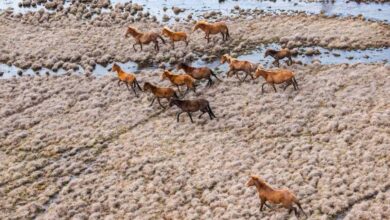
With thousands of feral horses gone, Kosciuszko’s fragile ecosystems are slowly recovering
David M Watson, Charles Sturt University and Patrick Finnerty, University of Sydney In Kosciuszko National Park in Australia’s alpine…
Read More »