

Agniveers Get Optional 2-Year Extension Beyond 4-Year Tenure

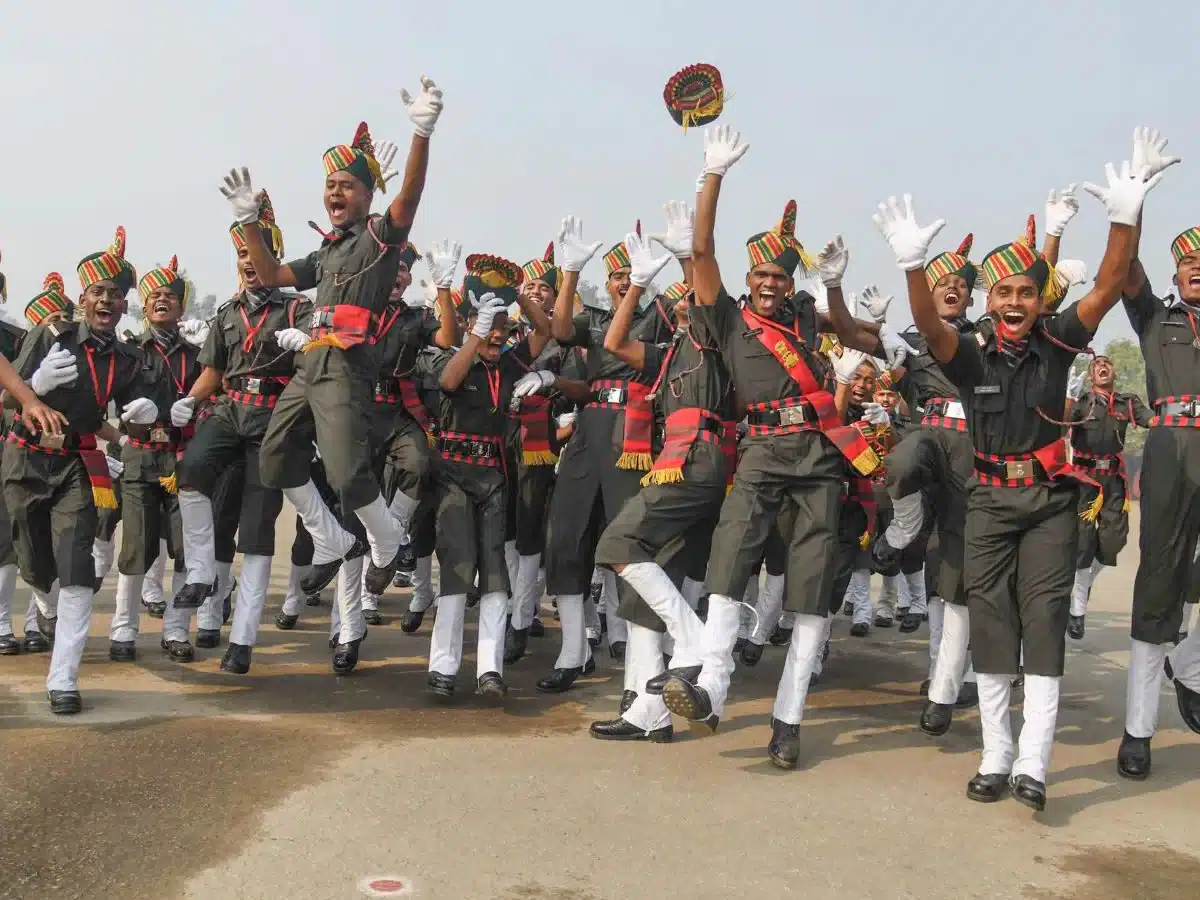
The Chief of Defence Staff has announced a major modification to the Agnipath military recruitment scheme. General N.S. Raja Subramani revealed that Agniveers completing their initial four-year tenure will now receive an optional two-year service extension. This Cabinet-approved decision provides immediate relief for approximately 18,300 Agniveers across the Army, Navy, and Air Force who were originally scheduled to exit service starting in late 2026.
Under this new framework, Agniveers who opt for the extension will receive increased monthly pay. They will also gain an expanded route to permanent military service. The Union Cabinet, chaired by Prime Minister Narendra Modi, approved this two-year ‘Second Tour of Duty’ on November 4, 2026. Defence Minister Rajnath Singh confirmed that this decision enables enrollment of all willing Agniveers as regular soldiers after completing 4 or 6 years of service, subject to meeting selection criteria.
Key Details of the Agniveer 2-Year Service Extension
The announcement introduces several important changes to how Agniveers progress through their military careers. The extension remains completely optional for candidates. Those who accept will serve a total of up to six years—four years initial service plus two years extended service. The first batch of approximately 18,300 Agniveers from the three armed services will be the immediate beneficiaries of this policy change.
Agniveers opting for the extended tenure will receive enhanced compensation during their additional service period. The armed forces have already inducted roughly 2.7 lakh Agniveers in the Army, 27,000 in the Air Force, and 21,000 in the Navy. This extension affects how these personnel can transition into permanent roles.
How the Original Agnipath Scheme Worked
When the Agnipath scheme launched in 2022, it established a four-year mandatory service period. After completing four years, only up to 25 percent of Agniveers were absorbed into the regular cadre for another 15 years of service. The remaining 75 percent were demobilised and received a Seva Nidhi financial exit package.
This structure created challenges for both the armed forces and departing personnel. The military lost trained, experienced soldiers just as they reached peak operational effectiveness. Agniveers transitioning to civilian life faced uncertainty about their career prospects after military service.
Changes Under the Revised Agniveer Service Extension
The revised rules fundamentally alter this pathway. Continued service beyond four years is now voluntary, enabling trained personnel to serve a full six-year tenure if they choose. Following the extended two-year cycle, candidates will undergo structured, merit-based assessments to secure regular soldier positions.
This represents a significant shift from the original scheme. Previously, only 25 percent could transition to permanent roles regardless of performance. Now, all willing Agniveers who meet objective selection criteria can pursue permanent enrollment after their extended service period concludes.
The three armed services have expressed high satisfaction with Agniveer field readiness and operational performance. Retaining these trained personnel helps preserve technical and operational talent that would otherwise have been permanently lost to the services.
Operational Benefits Across the Armed Forces
The armed forces face significant operational challenges when trained personnel depart abruptly. In the Navy and Air Force, training modern technicians requires 18 to 24 months of intensive instruction. Discharging these specialists after four years creates substantial institutional training overhead and operational gaps.
An additional two years of service ensures the military maximises its return on specialised training investments. Retaining seasoned Agniveers helps resolve operational transition challenges and keeps frontline units properly manned without disruptions caused by batch exits.
The measure also preserves combat readiness by retaining experienced personnel. It allows the services to fine-tune permanent cadre absorption ratios based on live operational assessments rather than fixed percentages. This flexibility enables better alignment between military needs and personnel availability.
Career Support for Departing Agniveers
The armed forces will issue detailed technical and trade skill credentials to soldiers completing their extended service. These credentials support civilian career pathways for those who choose not to pursue permanent military enrollment. This ensures Agniveers have recognised qualifications when transitioning to civilian employment.
Strategic Importance of the Agniveer 2-Year Extension
Defence Minister Rajnath Singh emphasised that this decision represents a continuation of long-term structural reforms within India’s defence forces. The goal is creating a younger, fitter, technologically equipped, and future-ready military. The Agnipath scheme itself is not merely a recruitment policy but a way forward to prepare India’s military for the changing character of warfare.
By retaining trained Agniveers for an additional two years, the armed forces strengthen their operational capacity. They preserve institutional knowledge and technical expertise that would otherwise be lost. The scheme now offers a genuine pathway for all willing Agniveers to pursue permanent military careers based on merit and selection criteria.
This Cabinet decision addresses concerns raised since the scheme’s original launch. It balances the need for a younger military force with the practical requirement to retain trained, experienced personnel. The agniveer 2 year service extension creates new opportunities for career progression while maintaining the core principles of the Agnipath recruitment model.

