

FM Sitharaman Clarifies UPI MDR Charge Allocation: ‘Not a Government Issue’

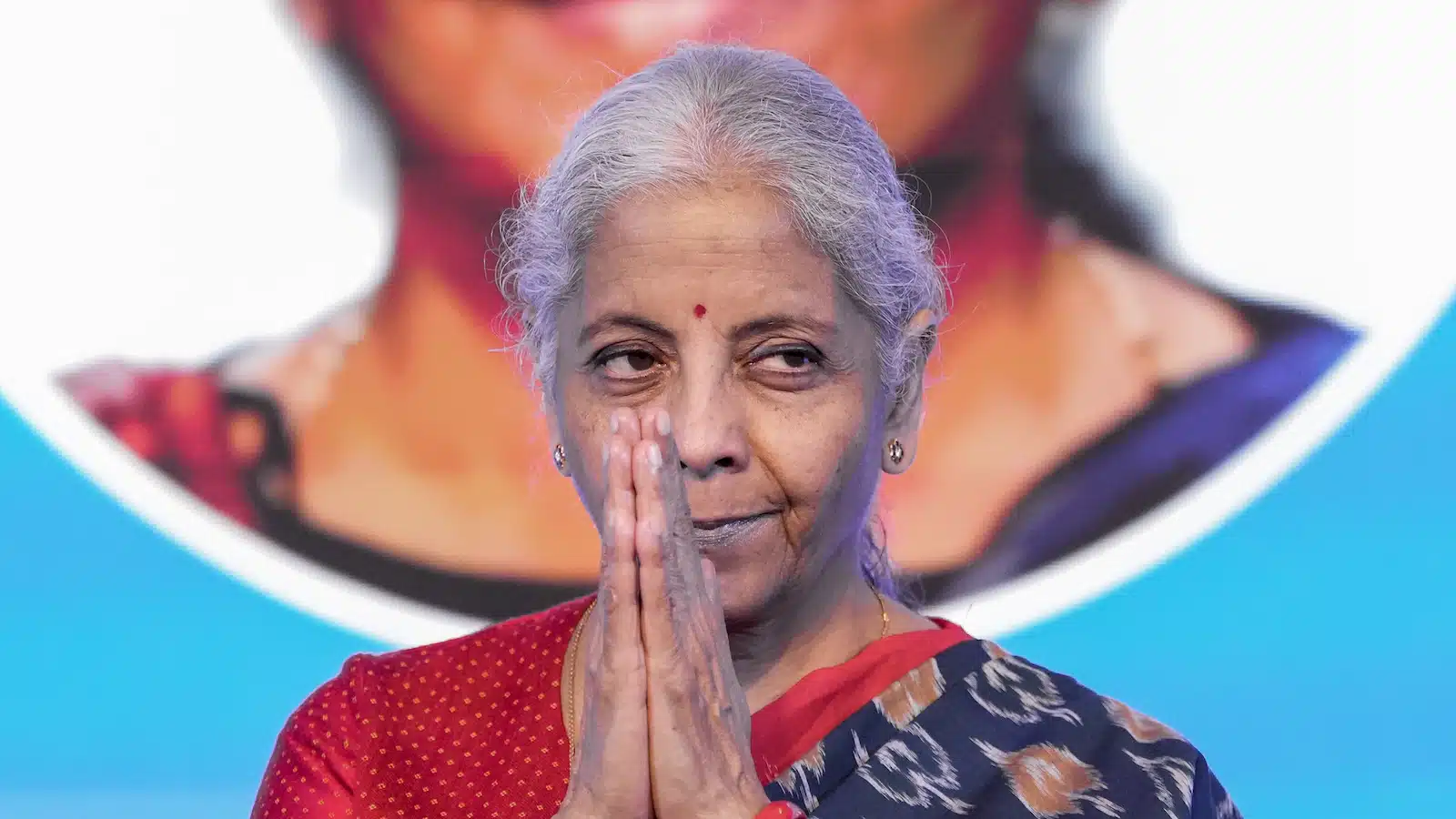
Union Finance Minister Nirmala Sitharaman clarified on Friday that the Merchant Discount Rate (MDR) on UPI transactions is not a government charge and will not be passed on to consumers. She emphasized that consumers will not incur MDR charges for transactions above Rs 2,000, as these costs will be absorbed by traders, merchants, and other participants in the payment ecosystem.
Sitharaman explained that the MDR is a fee for services provided by entities such as the National Payments Corporation of India (NPCI), aggregators, service providers, and merchant banks. She stated, “This is not a tax, this is not a cess, this is not even a surcharge. And the collection is not coming to the Consolidated Fund of India.” She reiterated that the MDR will not be reflected in consumer bills, particularly for transactions below Rs 2,000.
How MDR Works on UPI Transactions
The Finance Minister detailed that the MDR is charged by service providers for transactions exceeding Rs 2,000, with merchants being responsible for these fees. She confirmed that there will be no charges for transactions below this threshold. Sitharaman stated, “We are saying that under UPI, above Rs 2,000, the charge will be borne by the trader, the merchant, bankers and others. It cannot be passed on to the consumer.”
This clarification comes amid ongoing speculation regarding the newly announced Rs 2,000 charge. Sitharaman’s comments aim to dispel concerns that consumers would bear the financial burden of these fees.
Possible Impact
NPCI Managing Director and CEO Dilip Asbe previously indicated that only about 10 percent of the overall value on which MDR is collected might eventually be borne by consumers. He noted that a significant portion of UPI transactions falls outside the MDR framework, with approximately 75 percent of the total UPI transaction value not subject to these charges. Asbe stated that UPI currently processes around Rs 30 lakh crore in transaction value, with merchant payments accounting for about Rs 6-7 lakh crore.
Asbe further explained that 75 percent of merchants using QR codes have not processed transactions above Rs 2,000, indicating minimal impact from the MDR policy on these businesses.
MDR Collections Concentrated Among Larger Businesses
Asbe also highlighted that MDR collections are predominantly from larger businesses. Approximately 80 percent of MDR collected comes from companies with annual gross merchandise value (GMV) and digital payment collections exceeding Rs 1,000 crore. These businesses typically accept credit cards and are less likely to transfer UPI charges to customers.
He noted that businesses with annual turnover of Rs 1 crore and above could represent another 10 percent of MDR collections. Asbe stated, “The real risk of charging consumer getting charged is 10 percent of the overall value.”
UPI Transaction Growth and Long-Term Plans
In terms of growth, UPI transaction value is projected to increase by around 10 percent this year, while transaction volumes could rise by 15-17 percent. Asbe attributed the slower growth rate to reduced investments by ecosystem participants after several years of heavy investment in UPI infrastructure. He mentioned that the lack of a revenue model has led to a scaling back of investments, while education and awareness also play a role in influencing growth.
Asbe outlined a long-term objective to expand UPI usage to a billion users and to develop infrastructure that facilitates broader access to credit, investments, and insurance.
Observer Voice is the one stop site for National, International news, Sports, Editor’s Choice, Art/culture contents, Quotes and much more. We also cover historical contents. Historical contents includes World History, Indian History, and what happened today. The website also covers Entertainment across the India and World.

