

India Relaxes Rupee Trade Regulations, Offering Exporters a New Option Beyond Dollar Settlements

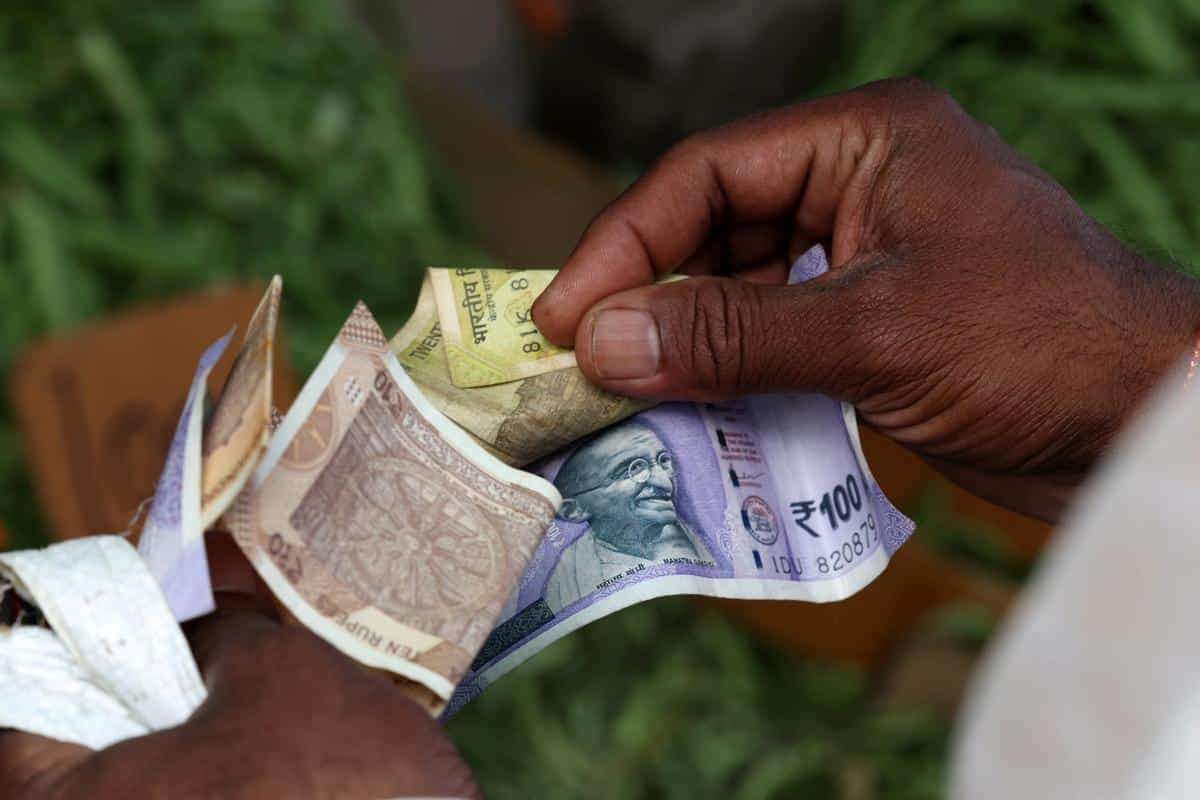
In a significant policy shift, the Indian government has revised parts of the Foreign Trade Policy (FTP) to promote the use of the rupee for trade settlements. Announced on Thursday, the changes allow exporters greater flexibility in invoicing overseas transactions and receiving export proceeds in Indian rupees. The Directorate General of Foreign Trade (DGFT) stated that these amendments align the FTP with the Foreign Exchange Management (Manner of Receipt and Payment) Regulations 2023.
The new provisions apply to exports to all countries, with specific rules varying by destination. For nations outside the Asian Clearing Union (ACU), exporters can now denominate contracts and invoices in either Indian rupees or foreign currencies. Previously, export proceeds were generally required to be received in a freely convertible currency.
Implications for Exporters
Economic think tank Global Trade Research Initiative (GTRI) noted that the revised policy allows eligible rupee payments for exports to countries other than Nepal and Bhutan to qualify for FTP benefits. These payments can now be counted towards meeting export obligations. Rupee proceeds received through authorized banking channels will be treated the same as export payments made in foreign currency. Additionally, exports financed through EXIM Bank or Government of India lines of credit can also be invoiced in rupees.
For exports to countries within the ACU, such as Bangladesh, Iran, and Pakistan, contracts must use a currency specified by the ACU. However, the notification allows for invoicing and settlement to follow directions issued by the Reserve Bank of India (RBI). Export contracts with Nepal and Bhutan must generally be denominated and settled in Indian rupees or according to RBI guidelines.
Broader Use of the Rupee
The GTRI indicated that this policy change could enhance the international use of the rupee, enabling Indian exporters and foreign buyers to settle transactions without relying on the US dollar or other convertible currencies. While the notification addresses previous uncertainties regarding rupee payments, experts caution that regulatory changes alone will not lead to widespread adoption of rupee trade.
To facilitate large-scale rupee transactions, foreign buyers must have easy access to rupees, and overseas banks need practical options for using, investing, converting, or repatriating their balances. GTRI’s founder, Ajay Srivastava, emphasized the need for country-specific settlement arrangements, streamlined banking processes, and affordable hedging facilities to support the use of the rupee in international trade.
Observer Voice is the one stop site for National, International news, Sports, Editor’s Choice, Art/culture contents, Quotes and much more. We also cover historical contents. Historical contents includes World History, Indian History, and what happened today. The website also covers Entertainment across the India and World.

