

India to Establish 30-Day LPG Storage Buffer in Response to Hormuz Supply Risks from Iran Conflict

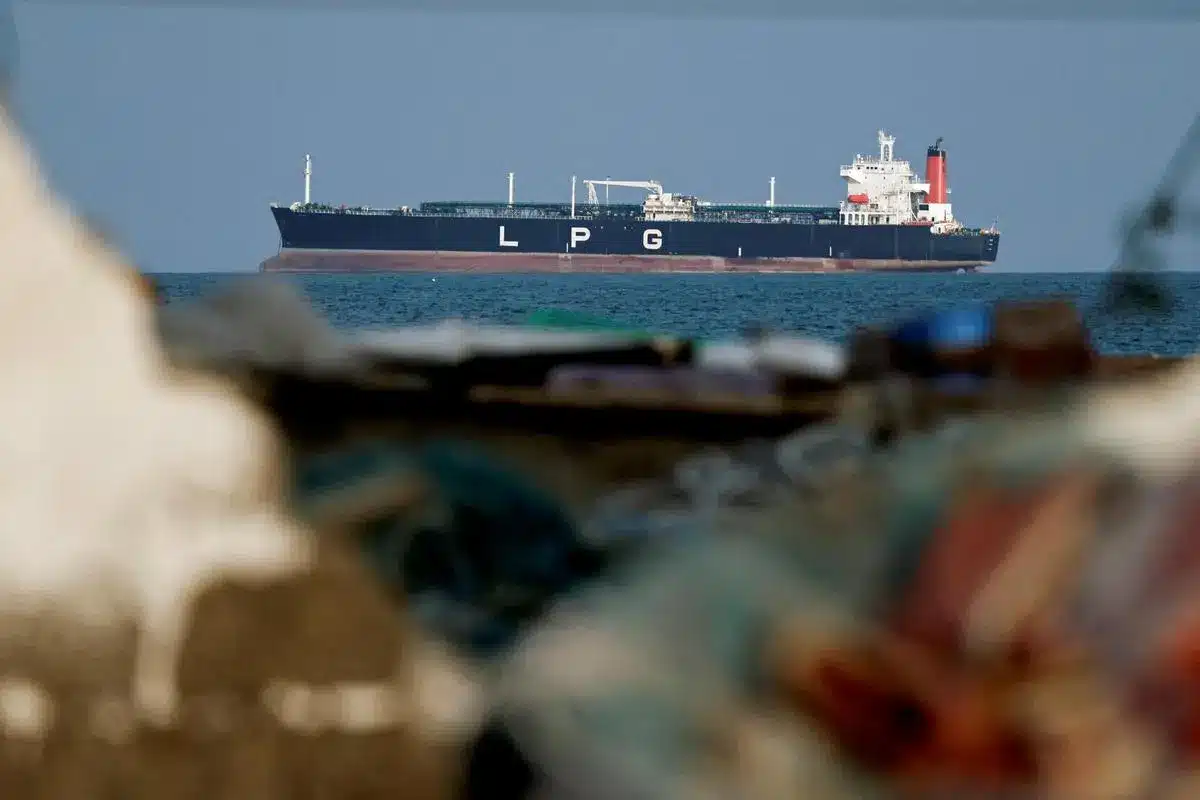
Bharat Petroleum Corporation Ltd (BPCL) plans to invest approximately Rs 5,000 crore to nearly double its liquefied petroleum gas (LPG) storage capacity from around 200 thousand metric tonnes (TMT) to 340 TMT. This expansion is part of a broader initiative by state-run oil marketing companies (OMCs) to enhance India’s energy security in light of recent geopolitical tensions affecting supply routes. Indian Oil Corporation (IOC) and Hindustan Petroleum Corporation Ltd (HPCL) are also developing similar expansion strategies.
Strategic LPG Reserve Initiative
The Indian government is considering the establishment of a 30-day strategic LPG reserve to bolster energy security, especially after the recent conflict in the Middle East raised concerns about supply disruptions through the Strait of Hormuz. A senior industry executive indicated that while the Centre is contemplating this inventory requirement, the specific methodology for calculating the stockpile remains undecided. Key considerations include whether the buffer should be based on total LPG consumption, total imports, or the country’s residual supply risk after diversifying sourcing.
Diverse Storage Solutions
The proposed strategy for the LPG reserve may involve a combination of expanded onshore storage, underground caverns, and floating storage in Indian waters. OMCs are also exploring long-term contracts with suppliers in the United States, alongside increasing imports from Europe and Russia. Industry executives noted that diversifying imports could potentially reduce the overall storage requirements, thereby minimizing capital expenditure. One executive mentioned that three options have been presented for consideration before any investments are finalized.
Urgency Due to Hormuz Disruptions
The urgency for expanding LPG storage has intensified following the Iran conflict, which underscored India’s reliance on Middle Eastern supplies. Currently, India imports nearly 60% of its LPG, with about 90% of these imports transiting through the Strait of Hormuz. In response to the conflict, the government instructed domestic refineries to maximize LPG production and imposed restrictions on bookings to manage supply levels. Recently, normal LPG supplies to non-household users resumed, and restrictions on commercial supplies were lifted as availability improved.
India operates 214 LPG bottling plants with a total rated capacity of approximately 23.04 million metric tonnes per annum (MMTPA). These facilities provide an average of 4-7 days of cover, while overall LPG stocks across all storage facilities offer an average of 18 days of cover, varying between 8 and 30 days. LPG in India is marketed by both state-run OMCs and private refiners under the Parallel Marketing System, with private players allowed to import and sell LPG at market-determined prices without government subsidies for domestic sales.
Observer Voice is the one stop site for National, International news, Sports, Editor’s Choice, Art/culture contents, Quotes and much more. We also cover historical contents. Historical contents includes World History, Indian History, and what happened today. The website also covers Entertainment across the India and World.
Follow Us on Twitter, Instagram, Facebook, & LinkedIn

