

Iran Accelerates Oil Sales to India Following Trump Sanctions Waiver

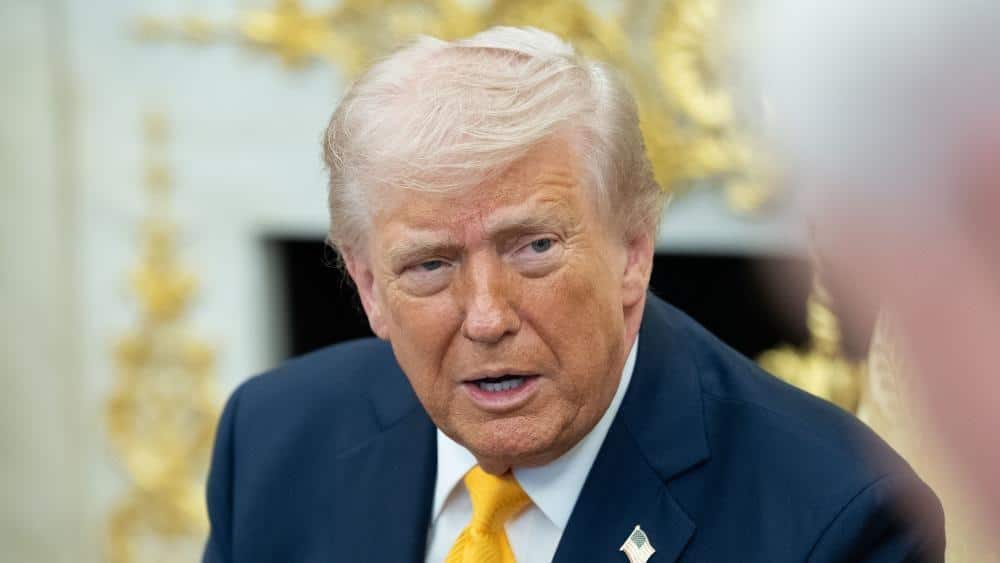
With the Trump administration granting a 60-day waiver for Iran’s petroleum products, Tehran is moving quickly to sell oil to major Asian buyers, including India. This temporary easing of sanctions comes after years of restrictions that primarily directed Iranian oil exports to China. Iran is now looking to diversify its customer base and find buyers for crude oil stored on tankers.
Data from Vortexa and Bloomberg indicates that approximately 68 million barrels of crude and condensate were floating at sea as of June 22, with over 80% lacking a confirmed destination. This situation raises questions about whether Indian refiners and other Asian importers will return to the Iranian market, and if there is potential interest from European or U.S. refiners.
Iran sells hard
Iran is eager to capitalize on the temporary reprieve to restart exports and reduce its growing stockpile of oil at sea. Traders and officials from the National Iranian Oil Company have begun reaching out to refiners in India, Japan, and South Korea even before the waiver was officially announced. The discussions extend beyond immediate cargoes, as Iran is also considering longer-term supply agreements to boost production.
Despite these efforts, Asian buyers are not rushing to purchase Iranian crude. Many refiners have secured alternative supplies due to the prolonged disruptions in shipping through the Strait of Hormuz. Market participants remain cautious, influenced by uncertainties surrounding future U.S. policy and ongoing sanctions from the European Union and the UK, which complicate financing and insurance for such transactions.
Will India buy?
Indian refiners typically avoid crude that may be subject to sanctions. However, Iran’s geographical proximity could offer an advantage if buyers decide to engage, especially given Tehran’s urgency and the limited duration of the sanctions waiver. Certain cargoes could reach Indian refineries within two to three days, allowing for timely transactions.
Sumit Ritolia, Lead Analyst at Kpler, expresses skepticism about any significant increase in purchases from countries other than China. He notes that the waiver is only valid for 60 days, and many refiners have already planned their imports for the coming months. Indian refiners are currently focused on their supply needs for late August and September, with Russian and Middle Eastern grades dominating their procurement strategies.
Will China be the only buyer?
Ritolia suggests that Iran may struggle to attract Western buyers due to longer transit times. Completing a crude purchase within the waiver period is challenging, as transit times from Iran can reach 40-45 days. Consequently, China is likely to be the primary beneficiary of the renewed availability of Iranian crude.
Asia’s crude supply already secure?
Attracting buyers is not Iran’s only challenge. The current supply-demand dynamics in Asia do not favor a rapid increase in sales. The region is not experiencing a crude oil shortage, which diminishes the incentive for refiners to take risks unless Iranian supplies are offered at significant discounts. Market indicators suggest comfortable near-term supply conditions, with benchmark Middle Eastern crude grades trading in a contango structure, signaling an oversupplied market.
Warren Patterson, Head of Commodities Strategy at ING Groep NV, notes that while the waiver opens new opportunities for Iran to sell in Asia, it is unlikely to lead to a significant increase in exports without more permanent sanctions relief.
Observer Voice is the one stop site for National, International news, Sports, Editor’s Choice, Art/culture contents, Quotes and much more. We also cover historical contents. Historical contents includes World History, Indian History, and what happened today. The website also covers Entertainment across the India and World.
Follow Us on Twitter, Instagram, Facebook, & LinkedIn

