

Iranian Rial Reaches Historic Low Amid US Naval Blockade Impacting Economy

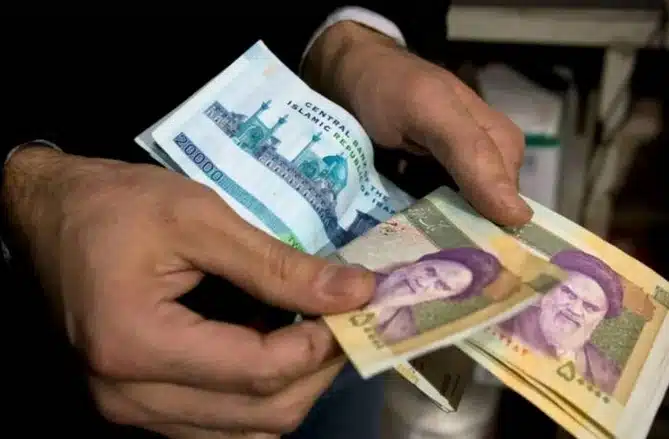
Iran’s currency has recently plummeted to an unprecedented low against the US dollar, exacerbated by the ongoing US naval blockade of Iranian ports. As of Wednesday, the rial was trading at approximately 1.80 million per dollar on the black market, a significant drop from 1.70 million just two months ago. This sharp depreciation is expected to further fuel inflation, impacting the cost of essential imports such as food, medicine, and industrial materials. Despite the economic strain, Iranian authorities are relying on their historical resilience to navigate these challenges.
Currency Crisis Amid Blockade
The Iranian rial’s decline is a direct consequence of the US naval blockade, which has severely affected the country’s economy. Currency-tracking websites Bonbast and AlanChand reported that the rial reached a record low of around 1.80 million per dollar on the black market. This marks a notable shift from the exchange rate of 1.70 million rials per dollar at the onset of the conflict two months ago. While Iran has multiple official exchange rates, the black market rates are often viewed as more reflective of the actual economic situation. Experts warn that the ongoing depreciation of the rial will likely lead to increased inflation, as the prices of imported goods rise in tandem with the dollar.
Impact on Oil Exports and Government Revenue
The blockade has also disrupted Iran’s oil exports, a crucial source of government revenue. This disruption limits Iran’s access to foreign currency, further straining the economy. Despite these challenges, Iranian officials are banking on the nation’s historical ability to withstand economic pressure from sanctions. The situation is particularly dire as Kharg Island, Iran’s primary oil export terminal, approaches its storage capacity. This impending crisis could force the Iranian government to cut oil production, resulting in an estimated loss of $170 million per day in revenue. Such a reduction could have long-lasting effects on Iran’s oil infrastructure and overall economic stability.
Tensions in the Strait of Hormuz
The geopolitical landscape remains tense, particularly in the Strait of Hormuz, a vital shipping route for global oil and gas supplies. Although a ceasefire has largely halted active fighting, tensions between the US and Iran continue to escalate. The strait typically sees about one-fifth of the world’s oil and gas supplies pass through it, and its ongoing disruption is affecting global markets. Fuel, food, and transportation costs are rising worldwide, prompting calls from various nations to reopen the waterway. However, US President Donald Trump has rejected Iran’s proposal to lift the blockade in exchange for reopening the strait, asserting that the blockade is a more effective strategy than military action.
US Sanctions and Iranian Response
US Treasury Secretary Scott Bessent has stated that the combination of sanctions and the naval blockade will inflict long-term damage on Iran’s economy. He emphasized that the Treasury Department is targeting Iran’s international financial networks and oil trade to disrupt revenue streams that could fund terrorism. In response, Iranian officials have dismissed these claims. Parliament Speaker Mohammad Bagher Ghalibaf criticized Bessent’s remarks, labeling them as “junk” and suggesting that the US administration is misinformed about the situation. Ghalibaf’s comments reflect a broader sentiment within Iran that seeks to challenge the effectiveness of US sanctions and the blockade strategy.
Observer Voice is the one stop site for National, International news, Sports, Editor’s Choice, Art/culture contents, Quotes and much more. We also cover historical contents. Historical contents includes World History, Indian History, and what happened today. The website also covers Entertainment across the India and World.
Follow Us on Twitter, Instagram, Facebook, & LinkedIn

