

New Study Reveals Ancient Origins of Jamun in India

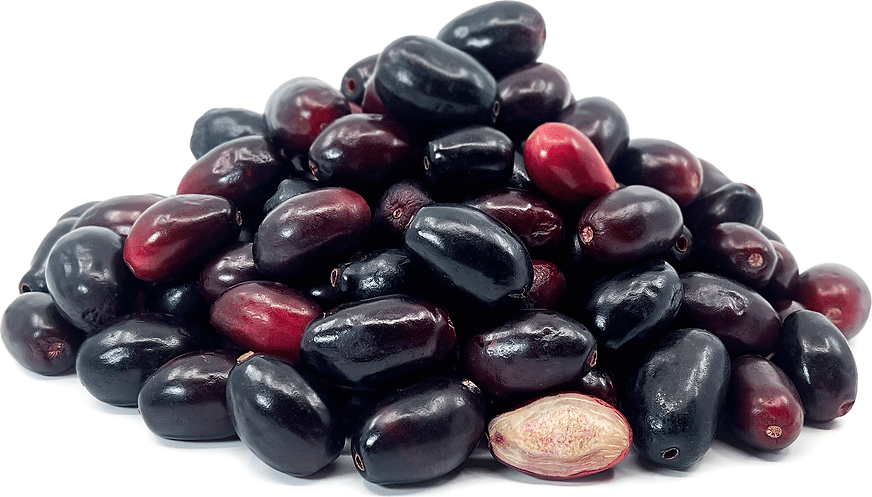
A groundbreaking study has revealed that the Jamun fruit, scientifically known as Syzygium, originated much earlier than previously believed, positioning India as a critical player in its evolutionary history. Researchers have identified that the genus dates back approximately 80 million years, challenging previous notions that its origins were confined to regions like Australia or Southeast Asia.
Redefining Plant Evolution
This research, conducted by the Birbal Sahni Institute of Palaeosciences (BSIP) in collaboration with various esteemed institutions, highlights inconsistencies in earlier fossil evidence and molecular phylogenetic timelines that dated the origin of Jamun to around 51 million years ago. It was noted that earlier fossil findings from India, estimated between 60 to 20 million years ago, had not been thoroughly re-evaluated until now.
Fossil Findings in Himachal Pradesh
Significant discoveries of Miocene fossils, which are about 20 million years old, provided a unique opportunity for researchers to reassess the evolutionary timeline of Syzygium. Fossil specimens were collected from the Kasauli Formation in Himachal Pradesh, leading to a detailed investigation into the plant’s history based on its morphology. This project was part of an initiative aimed at clarifying the evolutionary progression of flora.
In-Depth Analysis of Fossils
The research team employed various methodologies, including microscopy and morphological characterization, to analyze the fossilized remains. They also compared their findings against existing herbarium collections and global databases. In a thorough examination, they re-evaluated fossils from Paleogene and Neogene deposits to construct a more cohesive evolutionary timeline. The comprehensive analysis considered 22 morphological characteristics to accurately identify and interpret the fossils.
New Species Discovered
The study led to the identification of a new species, Syzygium paleosalicifolium, from the Early Miocene deposits in India. Additionally, a deeper look into earlier records revealed that the genus was present in the Indian subcontinent since the early Eocene, approximately 55 million years ago. This indicates a long-standing and continuous presence of Jamun in India and suggests that the plant later spread to Southeast Asia and Australia.
Implications for Biodiversity and Climate Research
Published in the Journal of Palaeogeography, this study provides valuable insights into India’s significant role in the evolution of plants and the biodiversity present in Asian floras. Understanding these historical vegetation and climate changes over millions of years can enhance predictions for future climate scenarios. This research not only contributes to biodiversity conservation but also strengthens India’s standing in global research on evolution and biogeography.
Observer Voice is the one stop site for National, International news, Sports, Editor’s Choice, Art/culture contents, Quotes and much more. We also cover historical contents. Historical contents includes World History, Indian History, and what happened today. The website also covers Entertainment across the India and World.

