

DERC Approves Pilot for Peer-to-Peer Electricity Trading Among Consumers

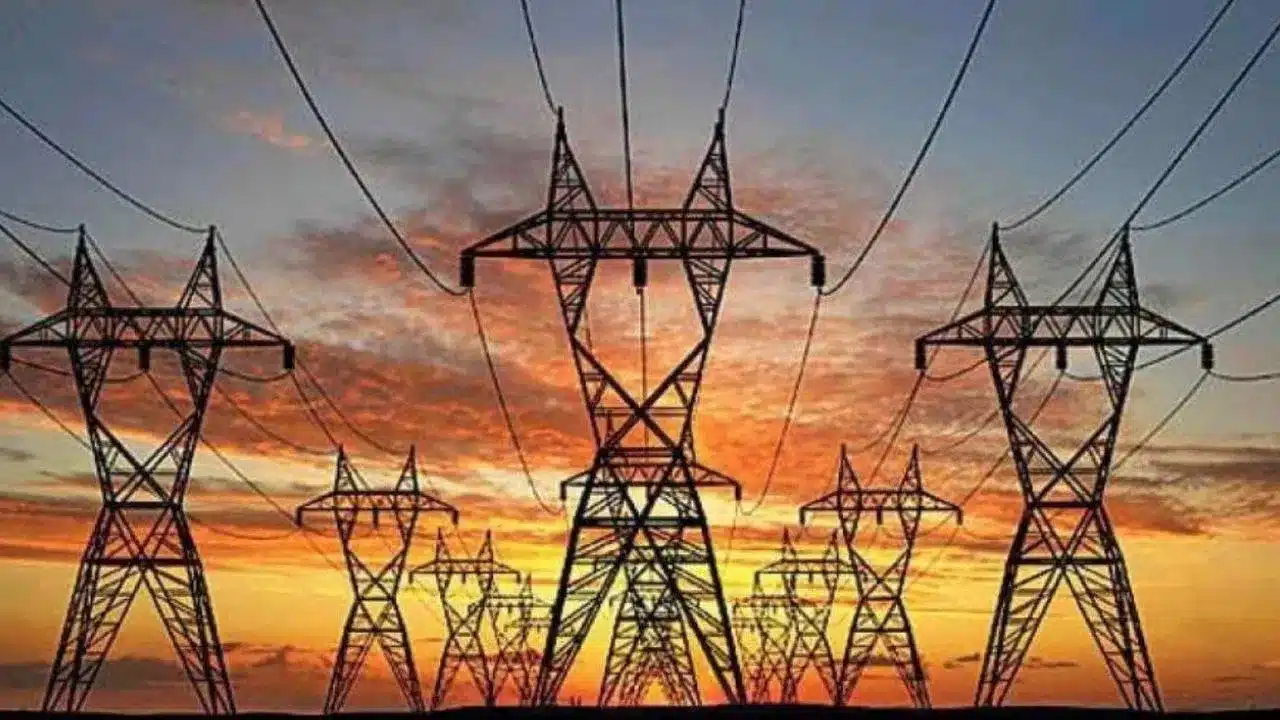
Delhi residents are on the brink of a transformative shift in their electricity consumption habits. The Delhi Electricity Regulatory Commission (DERC) has recently approved a groundbreaking framework that enables consumers to engage in peer-to-peer electricity trading. This initiative allows individuals and businesses with renewable energy sources, such as rooftop solar panels, to sell their excess electricity directly to other consumers, fostering a more interactive and decentralized energy market.
Details of the Pilot Project
The pilot project is set to launch this month in various regions of north and south Delhi, targeting approximately 1,000 consumers in each area. The initiative will facilitate trading not only within the two participating distribution companies, Tata Power Delhi Distribution Ltd and BSES Rajdhani Power Ltd, but also across state lines, involving Purvanchal Vidyut Vitaran Nigam Limited from Uttar Pradesh. This collaboration aims to expand the reach of the project, eventually encompassing consumers from three utilities: BSES Rajdhani Power Limited, Tata Power-Delhi Distribution Limited, and Paschimanchal Vidyut Vitran Nigam Limited. Collectively, these companies serve around 12.5 million consumers, although the pilot will initially focus on a limited group of users. Raveesh Gupta, managing director of PVVNL, emphasized the importance of including diverse participants, including farmers and small business owners, in this innovative energy trading model.
Eligibility and Participation Requirements
Participation in the peer-to-peer trading program is primarily aimed at users with smart meters. Buyers must have a smart electricity meter, while sellers are required to possess a rooftop solar installation equipped with a net meter. Before engaging in trading, consumers will undergo a verification process conducted by their respective distribution companies. Approved digital trading platforms will facilitate the onboarding process. Each participant will receive a ‘Verified Credential,’ serving as a digital identity to ensure the authenticity and eligibility of consumers and prosumers. This verification is crucial for maintaining the integrity of the trading system and ensuring secure transactions.
Mechanics of the Trading System
The peer-to-peer trading model allows buyers and sellers to negotiate prices directly through a mobile application. Transactions will be conducted on a secure, blockchain-enabled framework known as the India Energy Stack, which guarantees verifiability and scalability. Unlike traditional arrangements where surplus electricity is sold back to distribution companies at fixed rates, this new model empowers participants to mutually agree on prices. Consumers will continue to receive their standard electricity bills, with peer-to-peer trades reflected as cumulative adjustments. The physical supply of electricity will still be managed by the distribution companies, while the financial settlements for energy traded through the platform will be integrated into monthly billing cycles. This arrangement not only enables prosumers to monetize their excess energy generation but also allows buyers to access electricity at potentially lower rates than those offered by distribution companies.
Incentives and Regulatory Framework
To enhance the attractiveness of the pilot program, the DERC has waived various charges, including wheeling charges and cross-subsidy surcharges, within Delhi’s territorial limits for the duration of the trial. A transaction fee of 42 paise per unit has been established, which will be equally shared between buyers and sellers. Additionally, the previous 20% capacity utilization factor cap has been lifted, allowing prosumers to sell their entire surplus output. This initiative aims to create a consumer-centric, digitally governed energy ecosystem. REC Limited, responsible for developing the India Energy Stack, will oversee the platform’s operations, including matching, accounting, and settlements. The platform will utilize a central ledger to manage data on actual consumption and exports, ensuring accurate transaction settlements. Consumers will access the trading system through applications developed by service providers, with details on user interfaces provided during the onboarding process by their respective distribution companies.
Observer Voice is the one stop site for National, International news, Sports, Editor’s Choice, Art/culture contents, Quotes and much more. We also cover historical contents. Historical contents includes World History, Indian History, and what happened today. The website also covers Entertainment across the India and World.
Follow Us on Twitter, Instagram, Facebook, & LinkedIn

