

India’s Major Cities Struggle with Toxic Air, Crumbling Infrastructure, and Mounting Waste Issues

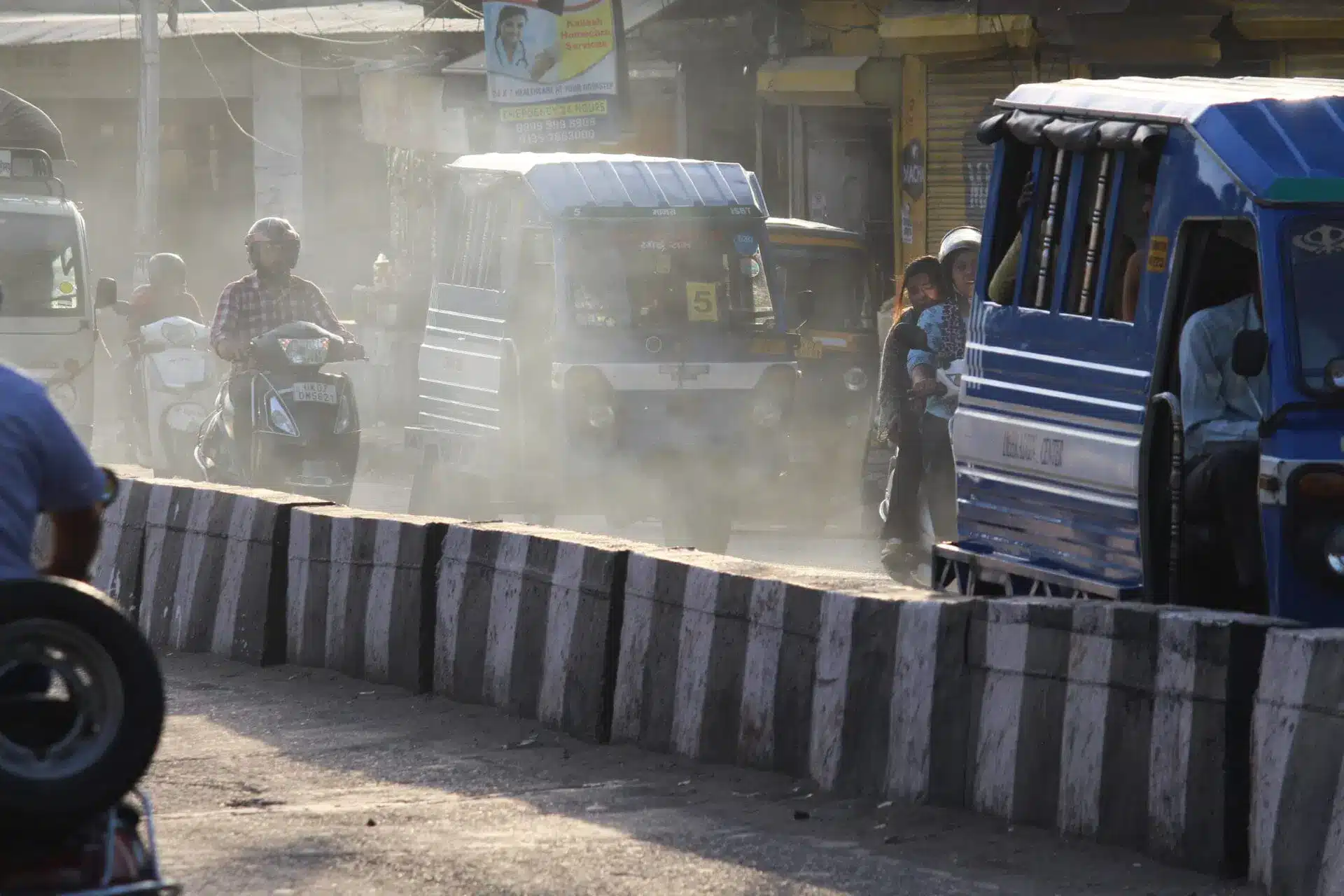
Indian cities are grappling with severe urban decay, despite significant investments in infrastructure. Tourists flock to cities like Jaipur, drawn by their historical allure, yet they are met with traffic congestion, pollution, and overflowing garbage. This paradox raises concerns about why India’s rapid economic growth has not translated into improved living conditions in its urban centers, leading to public frustration and protests across major cities.
Urban Decay Amidst Economic Growth
The rapid urbanization of India has not come without its challenges. Cities like Jaipur, known for their stunning architecture and rich history, are increasingly marred by neglect and decay. A local taxi driver’s remark about the city’s condition highlights a widespread sentiment of hopelessness among residents. Despite the government’s efforts to modernize infrastructure, including the construction of airports and highways, many cities continue to rank poorly in liveability indexes. Citizens in Bengaluru, often referred to as India’s Silicon Valley, have expressed their discontent over worsening traffic and waste management issues. In Mumbai, residents have taken to the streets to protest against potholes and inadequate drainage systems, particularly during the monsoon season. Meanwhile, Delhi faces its annual struggle with toxic air pollution, prompting health warnings for vulnerable populations.
Governance Challenges and Historical Context
The root of India’s urban challenges can be traced back to its governance structures. Experts argue that the country lacks a credible model for managing its sprawling cities. Vinayak Chatterjee, an infrastructure expert, points out that the Indian Constitution did not anticipate the massive growth of urban areas, leading to a governance vacuum. Although the 74th amendment aimed to empower local bodies, many provisions remain unimplemented, leaving cities without the necessary authority to manage their own affairs effectively. This contrasts sharply with China, where city mayors have significant executive powers and are held accountable for urban planning and infrastructure development. The lack of strong local governance in India has hindered effective responses to urban issues, leaving citizens frustrated and disillusioned.
Data Deficiency and Its Consequences
Another significant hurdle in addressing urban decay is the lack of reliable data on urbanization. Ankur Bisen, author of “Wasted,” emphasizes that the last census was conducted over 15 years ago, and the next one is not scheduled until 2026. This data vacuum complicates efforts to understand the extent and nature of urban challenges. Without accurate information, it becomes difficult to implement effective solutions. Local councils, often the weakest link in the governance chain, struggle with limited powers and resources, while state governments retain significant control. This imbalance hampers the ability of cities to respond to pressing issues, such as waste management and infrastructure development.
The Path Forward: A Call for Change
Experts suggest that India may need to undergo a significant awakening to address its urban challenges effectively. Historical precedents, such as the Great Stink in London, which led to major sanitation reforms, illustrate how crises can catalyze change. As urban issues reach a tipping point, they may gain the political attention necessary for reform. The current state of Indian cities reflects a broader weakening of grassroots democracy, with citizens increasingly frustrated by the lack of accountability and responsiveness from their local governments. For meaningful change to occur, there must be a concerted effort to empower local governance, implement existing frameworks, and collect accurate data on urbanization. Only then can India hope to transform its cities into livable spaces that reflect the country’s rich heritage and potential for growth.
Observer Voice is the one stop site for National, International news, Sports, Editor’s Choice, Art/culture contents, Quotes and much more. We also cover historical contents. Historical contents includes World History, Indian History, and what happened today. The website also covers Entertainment across the India and World.
Follow Us on Twitter, Instagram, Facebook, & LinkedIn

