

Government Prioritizes Child Safety with New Digital Initiatives

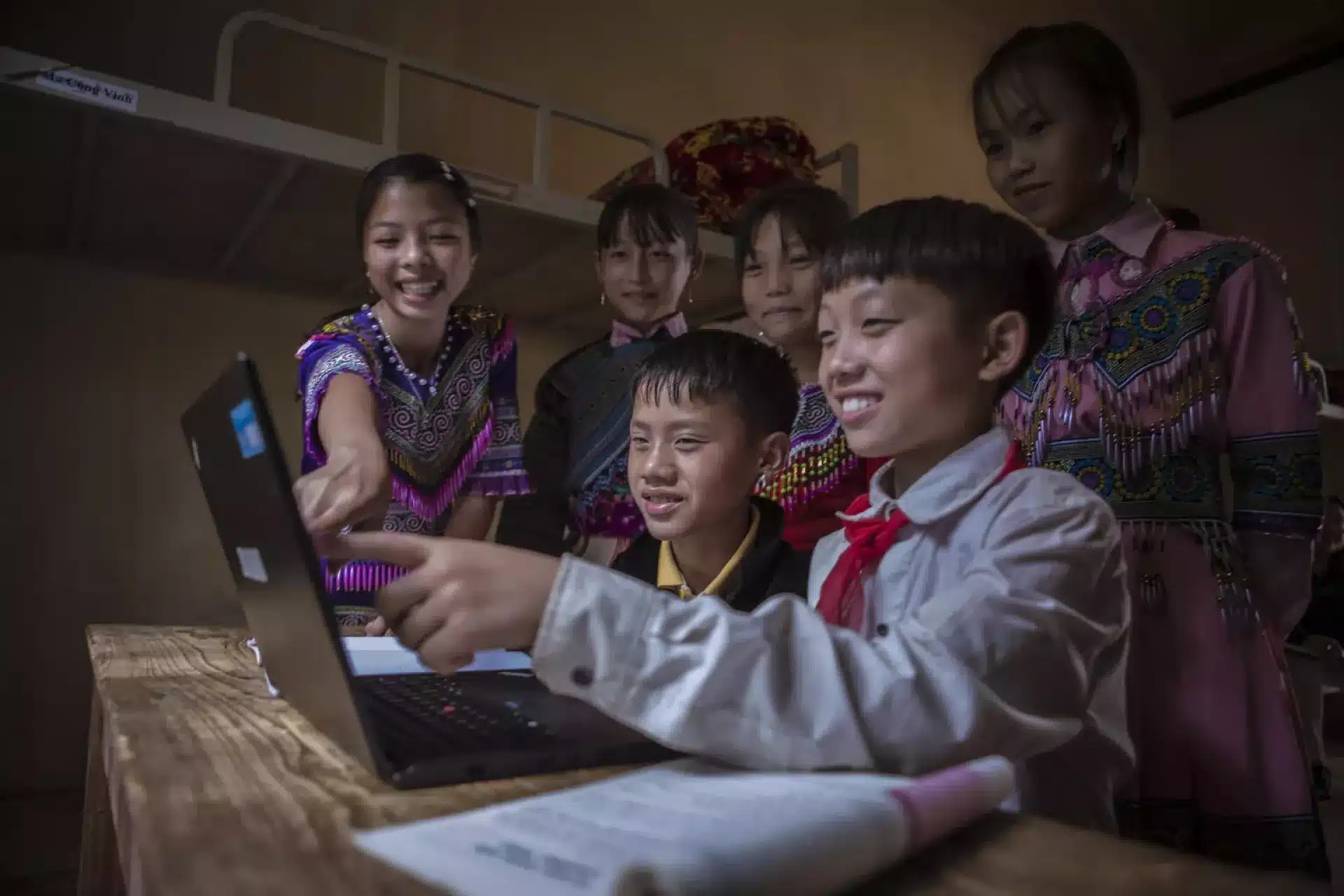
The Indian Government has made child safety and security a top priority, especially in the context of increasing digital engagement. The Ministry of Electronics and Information Technology (MeitY) has implemented several measures aimed at enhancing online safety and user protection. Recognizing that while digital platforms serve vital functions in education and communication, they also expose users—particularly children—to risks such as cyberbullying, harmful content, and privacy violations, the government has outlined steps to mitigate these dangers.
Key Initiatives for Online Safety
Among the significant developments is the introduction of the Information Technology (Intermediary Guidelines and Digital Media Ethics Code) Rules, 2021. These rules require online intermediaries to take action against unlawful content and establish a structured grievance redressal process. They also mandate the timely removal of harmful information and cooperation with law enforcement agencies concerning illegal activities online.
The new regulations compel intermediaries to actively prevent their users from sharing any content that could potentially harm children or break existing laws. Additionally, the recently enacted Digital Personal Data Protection (DPDP) Act, 2023, reinforces these initiatives by requiring parental consent before any child’s personal data is processed and prohibiting targeted advertisements directed at minors.
Research and Guidelines from NCPCR
The National Commission for Protection of Child Rights (NCPCR) has also been proactive, conducting research studies and issuing guidelines focused on the impact of mobile devices and the internet on children. Notably, they recently released findings related to the behavioral and psychosocial effects of internet usage among minors. These insights have been shared with relevant ministries to inform policy-making.
In addition, the NCPCR updated its manual on the safety and security of children in schools to include a dedicated section on cyber safety. They previously issued comprehensive guidelines, “Being Safe Online,” aimed at educating children, parents, and educators about digital risks.
Educational Initiatives and Support Programs
The Ministry of Education (MoE) introduced the PRAGYATA Guidelines to promote the well-being of students by recommending safe screen time practices. These guidelines highlight the importance of parental involvement in monitoring online activities and aim to strike a balance between digital and physical play.
The Central Board of Secondary Education (CBSE) has also taken initiatives to promote mental health and safe online habits among students. This includes structured digital learning, regular training for teachers on cyber wellness, and the establishment of Cyber Clubs in schools.
As part of its ongoing efforts, the National Council of Educational Research and Training (NCERT) published a handbook titled “Safe Online Learning in Times of COVID-19” to guide online practices.
Collaborative Approach to Safeguarding Children
The government is actively collaborating with various stakeholders, including social media platforms, to address issues related to child safety online. Recent discussions have focused on the risks associated with pornography and cyberbullying, aimed at developing a holistic framework for protecting minors in the digital space.
These collective efforts underscore the government’s commitment to ensuring a safer online environment for children, responding to the ever-evolving challenges in the digital landscape.
Observer Voice is the one stop site for National, International news, Sports, Editor’s Choice, Art/culture contents, Quotes and much more. We also cover historical contents. Historical contents includes World History, Indian History, and what happened today. The website also covers Entertainment across the India and World.

