

India’s Supreme Court Affirms Rights of the Nation’s Most Vulnerable Citizens

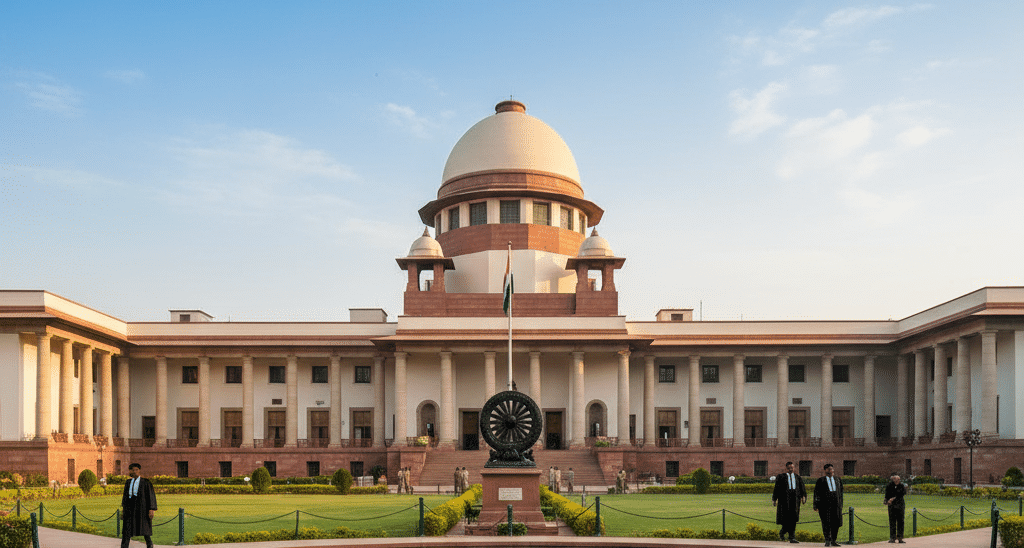
India’s Supreme Court, known for its role in defending the rights of Dalits, faces scrutiny over the language used in its rulings. A recent study reveals that the court’s terminology often reflects the very caste hierarchies it seeks to dismantle. Despite landmark decisions that support Dalit rights, the language employed can be demeaning and insensitive, perpetuating stereotypes and hindering social progress for the approximately 160 million Dalits in India.
Language Reflecting Caste Hierarchies
The study, funded by the University of Melbourne and conducted in collaboration with the Supreme Court, examines rulings from 1950 to 2025. It highlights a significant paradox: while the court has made progressive legal decisions, the language used in these judgments frequently undermines the dignity of Dalits. Researchers analyzed “constitution bench” rulings, which are crucial as they set legal precedents and are often cited in future cases. The findings indicate that many judgments, while upholding Dalit rights, utilize language that can be described as “demeaning or insensitive.”
For instance, some judgments have compared caste oppression to disability, suggesting an inherent inferiority among the oppressed. Others have erroneously assumed that education alone can eliminate caste barriers, shifting the responsibility to individual Dalits rather than addressing systemic issues. The study also points out that some judges have made offensive analogies, likening Dalits to “ordinary horses” in contrast to the “first-class race horses” of upper castes. Such language not only reinforces harmful stereotypes but also perpetuates a status quo that confines Dalits to low-paying jobs and limited opportunities.
Impact of Stigmatizing Language
The research indicates that the stigmatizing views expressed in court rulings have broader implications. Professor Farrah Ahmed, a co-author of the study, suggests that judges may not fully grasp the impact of their language on societal attitudes towards Dalits. While the intention may not be to demean, the language used can reflect deeply ingrained biases. The study raises questions about whether this linguistic bias affects judicial reasoning and outcomes, suggesting that it likely does.
The Supreme Court’s language is influential, shaping public discourse and societal perceptions of caste. In response to concerns about caste bias, the court has taken steps to address discrimination, including directing revisions to prison manuals that reflect caste-based disparities. However, many judges maintain that any outdated language is unintentional, emphasizing the need for ongoing awareness and adaptation to evolving societal norms.
Calls for Greater Representation and Change
The study underscores the necessity for increased representation of Dalits within the judiciary. Historically, the Supreme Court has seen minimal Dalit representation, with only eight Dalit judges having served on the bench. The recent retirement of Chief Justice BR Gavai, the second Dalit to lead the court, highlights this ongoing issue. Justice KG Balakrishnan, the first Dalit chief justice, has been noted for his writings that acknowledge the severe impact of caste on individuals’ lives, contrasting sharply with the more dismissive language found in other rulings.
The researchers advocate for more internal reviews and the inclusion of diverse perspectives, particularly from oppressed castes, to foster a deeper understanding of caste issues within the judiciary. They argue that the struggle for caste equality extends beyond legal judgments to the everyday language used in courtrooms, emphasizing the need for a cultural shift in how caste is discussed and addressed in legal contexts.
A Step Towards Change
The findings of this study represent a crucial first step in addressing the language surrounding caste in India’s Supreme Court. Professor Ahmed emphasizes the importance of ongoing internal reviews to promote awareness and understanding among judges. The Supreme Court’s recent initiatives, such as the release of a ‘Handbook on Combating Gender Stereotypes,’ demonstrate a recognition of the need for change. This handbook advises judges and lawyers to avoid discriminatory language, particularly against marginalized groups.Source link
Observer Voice is the one stop site for National, International news, Sports, Editor’s Choice, Art/culture contents, Quotes and much more. We also cover historical contents. Historical contents includes World History, Indian History, and what happened today. The website also covers Entertainment across the India and World.

