

Stranger Things Season 5: Behind the Scenes of Youthful Casting Techniques

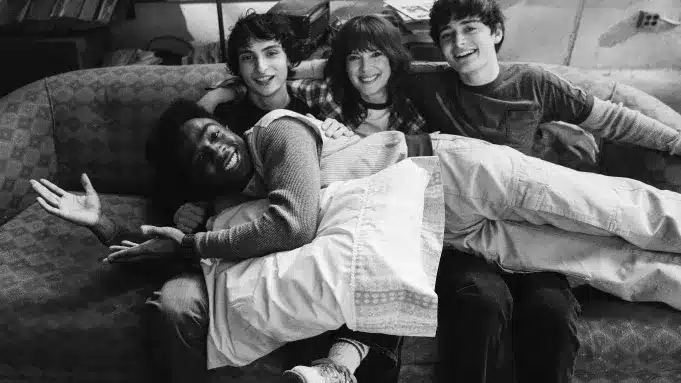
The highly anticipated fifth season of “Stranger Things” has officially launched on Netflix, marking the beginning of the series’ final chapter. Directed by the Duffer Brothers, this season features a returning cast including Millie Bobby Brown, Finn Wolfhard, Noah Schnapp, Winona Ryder, Jamie Campbell Bower, and David Harbour. The storyline picks up immediately after the events of Season 4, introducing familiar characters who now face new challenges while also revisiting significant moments from earlier seasons. A notable aspect of this season is the use of digital de-aging technology to portray younger versions of the actors, a technical shift that has sparked interest among fans and industry experts alike.
Why the Show Needed De-Ageing
“Stranger Things” first premiered over nine years ago, and its young cast has naturally aged since then. To authentically recreate scenes from Season 1, the production team faced the challenge of making the actors appear a decade younger. A key moment in the season features Noah Schnapp’s character, Will Byers, as he recounts his experiences in the Upside Down. At 21 years old, Schnapp needed to convincingly portray a younger version of himself, around 10 or 11 years old.
To achieve this, the production utilized a stand-in actor, Luke Kotokek, who performed the scene during filming. The visual effects studio Lola VFX then digitally replaced Kotokek’s face with a younger version of Schnapp’s. The dark and eerie atmosphere of the Upside Down setting aided in seamlessly integrating this effect. Millie Bobby Brown underwent a similar process in Season 4, where Martie Blair served as her stand-in for flashback scenes. As the narrative continues to revisit earlier events, it remains uncertain how many more actors will undergo de-aging in the current season.
How De-Ageing Became a Common Film Technique
Digital de-aging has been a part of Hollywood filmmaking for nearly two decades. The technique was first notably used in “X-Men: The Last Stand” (2006) to make actors Patrick Stewart and Ian McKellen appear younger. The method gained further prominence with “The Curious Case of Benjamin Button” (2008), which employed full CGI facial mapping to adjust Brad Pitt’s age across various timelines.
Marvel Studios has since embraced de-aging on a larger scale. For instance, Lola VFX successfully de-aged Samuel L. Jackson by approximately 25 years for “Captain Marvel” (2019), often without the need for body doubles. The studio also created younger versions of Michael Douglas in “Ant-Man” and applied similar techniques in “Captain America: The First Avenger” to depict a younger Steve Rogers. This evolution in technology has made de-aging a more common practice in the film industry.
What Digital De-Ageing Actually Does
Digital de-aging employs a combination of CGI, compositing, and artificial intelligence to modify an actor’s appearance frame by frame. Artists work meticulously to smooth skin, eliminate wrinkles, adjust facial proportions, and match lighting, ensuring that the performance remains natural and believable. This process differs significantly from traditional makeup, which cannot effectively alter fine facial movements or bridge large age gaps. Digital tools provide the precision needed to make subtle changes while preserving the actor’s unique expressions, allowing for a seamless viewing experience. As technology continues to advance, the use of digital de-aging is likely to become even more refined and prevalent in the entertainment industry.
Observer Voice is the one stop site for National, International news, Sports, Editor’s Choice, Art/culture contents, Quotes and much more. We also cover historical contents. Historical contents includes World History, Indian History, and what happened today. The website also covers Entertainment across the India and World.

