

India Faces Sharp Decline in Exports to the U.S. Amidst 50% Tariff Hike

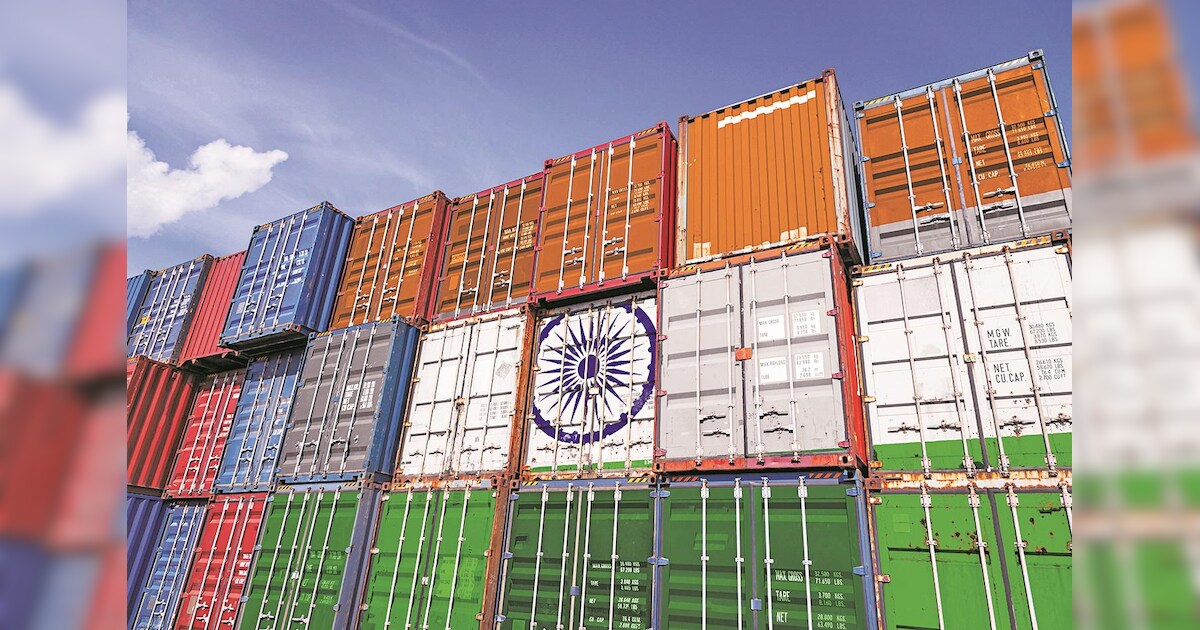
India’s exports to the United States, its largest trading partner, have experienced a significant decline, with a staggering 20% drop reported in September alone. This downturn is attributed to the implementation of steep tariffs by the U.S., which have been in effect since late August. Over the past four months, exports to the U.S. have plummeted nearly 40%, impacting various sectors, particularly those reliant on labor. As trade negotiations continue, the Indian government is seeking to address these challenges while navigating complex international relations.
Impact of Tariffs on Exports
The introduction of a 50% tariff on Indian goods by the U.S. has had a profound effect on trade dynamics. September marked the first full month of these tariffs, which also included a 25% penalty related to India’s ongoing oil purchases from Russia. According to Ajay Srivastava from the Global Trade Research Initiative (GTRI), the U.S. has become India’s most adversely affected market since the escalation of tariffs began. The data reveals a troubling trend: shipments to the U.S. have declined for four consecutive months, dropping from $8.8 billion in May to $5.5 billion in September. This sharp decrease has particularly impacted labor-intensive sectors such as textiles, gems and jewelry, engineering goods, and chemicals, which have reported the most significant losses.
Widening Trade Deficit
The decline in exports has contributed to a widening trade deficit for India, which reached a 13-month high of $32.15 billion in September. While some of the losses in U.S. trade have been mitigated by increased exports to other countries, including the UAE and China, the overall picture remains concerning. The Indian government is currently engaged in negotiations with the U.S. to address these trade issues, with hopes of reaching an agreement by next month. An Indian delegation is actively participating in discussions in the U.S., aiming to find common ground on various trade matters.
Ongoing Negotiations and Sticking Points
Trade negotiations between India and the U.S. resumed last month after a period of stagnation due to differing viewpoints on several issues. One of the critical points of contention remains access to India’s agricultural and dairy sectors. The U.S. has long sought greater access to these markets, viewing them as significant opportunities for trade expansion. However, India has been protective of its agricultural sector, citing concerns over food security and the livelihoods of millions of small farmers. Despite these challenges, both nations are committed to deepening their economic ties, with President Trump and Prime Minister Modi setting an ambitious target to increase bilateral trade from $190 billion to $500 billion.
Future Prospects
As the U.S. continues to exert economic pressure on Russia, there are indications that India may reconsider its oil purchases. President Trump recently stated that Prime Minister Modi has agreed to halt these purchases, which could influence future trade relations. The Indian foreign ministry has confirmed that discussions with the U.S. administration are ongoing, with a focus on enhancing energy cooperation. However, significant hurdles remain, particularly regarding agricultural access. The outcome of these negotiations will be crucial in determining the future of trade between India and the U.S., as both countries navigate the complexities of international trade in a rapidly changing global landscape.
Observer Voice is the one stop site for National, International news, Sports, Editor’s Choice, Art/culture contents, Quotes and much more. We also cover historical contents. Historical contents includes World History, Indian History, and what happened today. The website also covers Entertainment across the India and World.
Follow Us on Twitter, Instagram, Facebook, & LinkedIn

