

WTO Symposium Tackles Carbon Governance and Global Justice

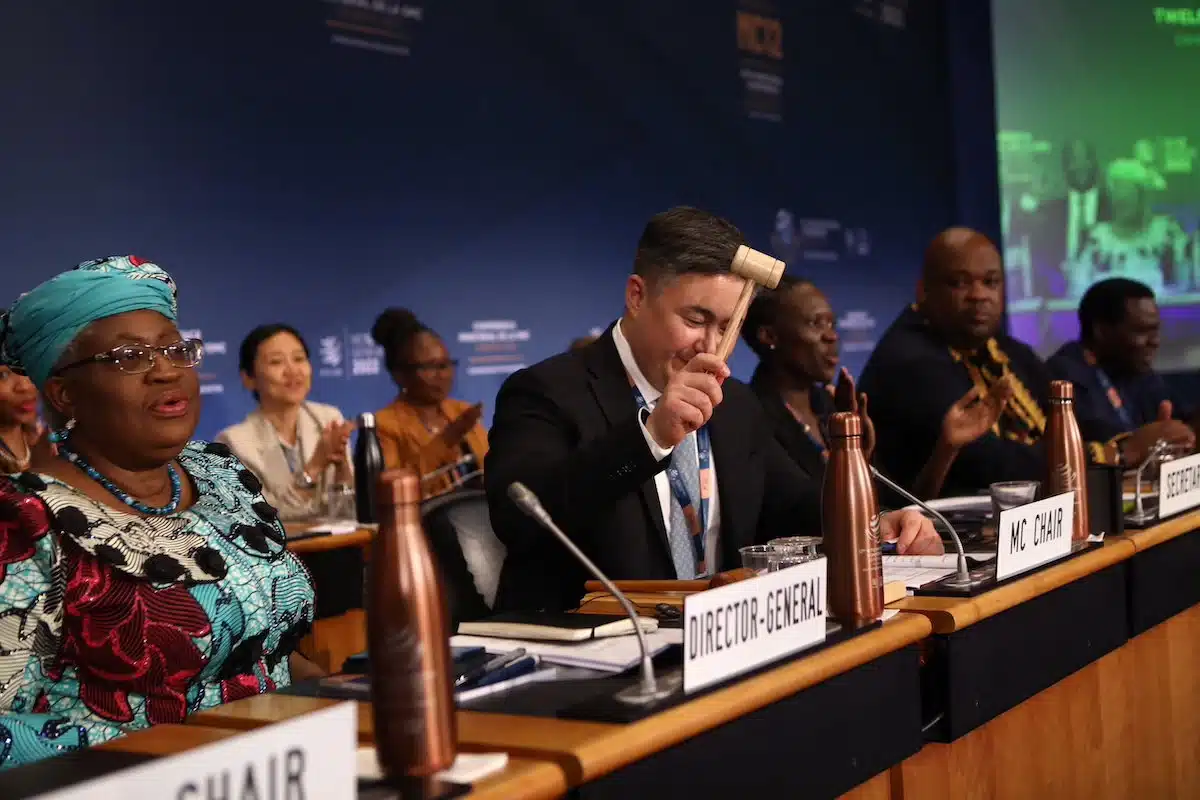
The Centre for Trade and Investment Law (CTIL) at the Indian Institute of Foreign Trade, in collaboration with the Centre for Studies in International Trade and Investment Laws (CITIL) at Dharmashastra National Law University (DNLU) in Jabalpur, successfully hosted the WTO Chairs Programme–International Symposium on “Carbon Governance and Global Justice: Reconciling Trade Competitiveness and Climate Responsibility” on April 25, 2026. The event brought together prominent legal experts, policymakers, and academia to explore the intersection of trade and environmental sustainability.
The symposium commenced on April 24, 2026, with a keynote address from Mr. Ujal Singh Bhatia, a member of the WTO Appellate Body from 2011 to 2020 and former Ambassador to the WTO. In his inaugural address, Bhatia underscored the intertwined nature of carbon governance and global justice, setting the tone for the subsequent discussions.
Engaging Panel Discussions on Carbon Pricing
The first panel discussion focused on carbon pricing mechanisms and carbon border adjustments and examined the legal, ethical, and economic implications of various climate action instruments, including the Carbon Border Adjustment Mechanism (CBAM). The experts in attendance analyzed how these tools impact trade competitiveness and our collective climate responsibilities.
Day two of the symposium began with a critical discussion on “Carbon Governance and Climate Justice Issues: Equitable Climate Action under International Trade Law.” Panelists explored the legal and policy aspects of carbon border adjustments while stressing the need for equitable climate action that supports developing nations in adapting to both trade and environmental challenges.
Technical Sessions Foster Knowledge Exchange
The symposium’s academic core featured four technical sessions designed to facilitate policy-oriented dialogue. Session chairs included respected figures such as Mr. Bose Varghese from Cyril Amarchand Mangaldas, Associate Professor Dr. Gargi Chakrabarti from DNLU, and others who covered a wide range of topics relevant to international trade law and sustainability.
Valedictory Ceremony and Recognition
The event concluded with a valedictory ceremony on April 25, attended by Justice Vivek Agarwal, Judge of the High Court of Madhya Pradesh, who served as the Chief Guest. In his closing remarks, Justice Agarwal emphasized the importance of legal frameworks in balancing industrial growth with environmental sustainability. He commended CTIL for its crucial role in fostering trade policy discussions and encouraged outreach efforts for greater societal impact. The ceremony culminated with the announcement of the top five research papers, along with certificates awarded to all participants.
This symposium provided a valuable platform for academicians, researchers, and students to engage in meaningful discussions on sustainable trade practices, reinforcing the significance of collaborative academic initiatives in shaping inclusive and responsive global trade governance.
The successful organization of this event was made possible under the leadership of Dr. Utkarsh K. Mishra, Director of CITIL, and Dr. James J. Nedumpara, Head of CTIL, with support from the Vice Chancellor of DNLU, Prof. (Dr.) Manoj Kumar Sinha, and Registrar Dr. Praveen Tripathi.
Observer Voice is the one stop site for National, International news, Sports, Editor’s Choice, Art/culture contents, Quotes and much more. We also cover historical contents. Historical contents includes World History, Indian History, and what happened today. The website also covers Entertainment across the India and World.

